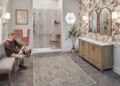


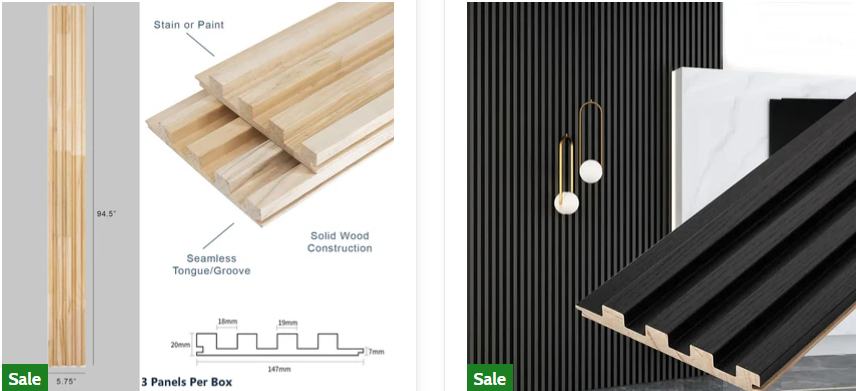
Wall paneling is a versatile and popular interior design choice that enhances the aesthetic appeal, functionality, and durability of walls in residential and commercial spaces. Whether used for decorative purposes, insulation, or protection, wall paneling come in various materials, styles, and installation methods, allowing customization to suit different tastes and requirements.

What is Wall Paneling?
Wall paneling involves covering interior walls with flat or textured panels made from different materials. These panels serve as an alternative to traditional painted or wallpapered walls. Wall panels can be installed on entire walls or as accent features, transforming the look and feel of any room.
Historically, wood paneling was common in older homes and buildings, but modern wall paneling incorporates many other materials such as PVC, MDF, metal, and fabric, offering a broader range of styles and benefits.
Types of Wall Paneling
Several types of wall paneling are available, each with distinct characteristics and applications:
- Wood Paneling: Traditional and timeless, wood paneling adds warmth and character. Options include solid wood planks, tongue and groove panels, shiplap, and beadboard. Wood can be stained, painted, or left natural.
- MDF and Medium-Density Fiberboard Panels: MDF panels are engineered wood products that offer smooth surfaces for painting and detailed molding work. They are budget-friendly and easy to work with.
- PVC Wall Panels: These panels are waterproof, making them suitable for moisture-prone areas like bathrooms and kitchens. PVC panels are low maintenance and available in various finishes.
- Metal Panels: Aluminum or steel panels create a modern, industrial look. They are durable and often used in commercial spaces.
- Fabric and Acoustic Panels: These are used to enhance soundproofing and add texture to rooms such as home theaters or offices.
- 3D Wall Panels: Made from materials like gypsum, MDF, or plant fibers, these panels create raised patterns that add depth and artistic flair.
Benefits of Wall Paneling
Wall paneling offers several advantages beyond mere decoration:
- Aesthetic Appeal: Panels can add texture, depth, and personality to walls. They can mimic natural materials or introduce bold designs and patterns.
- Durability and Protection: Panels protect walls from scratches, dents, and moisture damage, extending the life of the underlying surface.
- Insulation: Some wall panels provide thermal insulation and soundproofing, improving energy efficiency and reducing noise transmission.
- Easy Maintenance: Panels often require less upkeep than painted walls. Many are washable and resistant to stains.
- Concealment of Imperfections: Wall panels can hide cracks, uneven surfaces, or wiring, making them practical for older buildings.
Popular Wall Paneling Styles
Choosing the right style depends on the room’s purpose and desired ambiance. Common styles include:
- Shiplap: Horizontal wooden boards with overlapping edges, popular in farmhouse and coastal designs.
- Beadboard: Narrow vertical planks with a grooved pattern, ideal for traditional and cottage styles.
- Wainscoting: Paneling on the lower portion of the wall, typically topped with a molding, adding elegance to dining rooms and hallways.
- Board and Batten: Wide boards separated by narrow battens creating a grid pattern, suited for rustic and modern interiors.
- Flat Panels: Smooth, large panels for a sleek, contemporary look, often used with high gloss or matte finishes.
Materials and Their Characteristics
- Wood: Offers natural beauty and versatility but requires periodic maintenance like sealing or painting.
- MDF: Affordable and easy to paint but less moisture resistant.
- PVC: Durable and waterproof, perfect for bathrooms but may lack the warmth of wood.
- Metal: Strong and modern, often used in commercial spaces, but may feel cold in residential settings.
- Fabric: Softens spaces and improves acoustics but needs regular cleaning.
Installation Methods
Wall panels can be installed in several ways depending on material and design:
- Glue and Adhesive: Panels can be glued directly onto clean, smooth walls for quick installation.
- Nail or Screw Fixing: Especially for heavier wood or MDF panels, this method provides secure attachment.
- Interlocking Systems: Some panels have tongue-and-groove edges or click-lock designs for easy assembly.
- Framing or Battens: Panels can be mounted on wooden or metal frames, allowing for wiring or insulation behind.
Proper preparation of the wall surface is essential for a durable finish. This may include cleaning, priming, or leveling.
Wall Paneling in Different Rooms
- Living Rooms: Wood or decorative panels create a cozy atmosphere and focal points like fireplaces or entertainment walls.
- Kitchens: Waterproof PVC or easy-to-clean materials protect against moisture and cooking splatters.
- Bathrooms: Moisture-resistant panels prevent mold and mildew, combining function and style.
- Bedrooms: Acoustic or fabric panels improve comfort and sound quality.
- Offices and Commercial Spaces: Durable materials like metal or MDF offer professional aesthetics and protection against wear.
Maintenance Tips
Maintaining wall paneling depends on the material:
- Wood Panels: Regular dusting and occasional polishing or repainting preserve appearance.
- PVC Panels: Wipe down with mild soap and water to remove stains.
- Fabric Panels: Vacuum regularly and spot clean to maintain freshness.
- Metal Panels: Use non-abrasive cleaners to prevent scratches.
Proper maintenance ensures the panels retain their beauty and function for many years.
Environmental Considerations
Many modern panels use sustainable materials or recycled content. Choosing environmentally friendly options reduces impact and supports green building practices.
Some wood panels come from certified forests, while some PVC and MDF products incorporate recycled plastics or fibers.
Cost Factors
Costs vary widely based on materials, panel design, size, and installation complexity. Wood and custom decorative panels tend to be more expensive, while MDF and PVC are budget-friendly.
DIY installation can reduce labor costs, but professional help ensures proper fitting and finish.
Design Tips
- Use panels as accent walls to add character without overwhelming space.
- Combine different panel styles or materials for unique effects.
- Coordinate panel colors and textures with furniture and flooring.
- Consider lighting to highlight panel textures and create ambiance.
Conclusion
Wall paneling is an excellent way to enhance interiors by adding style, protection, and functionality. With numerous materials, styles, and installation options, it can suit any space or budget. Understanding the types and benefits of wall paneling helps homeowners, designers, and builders create beautiful and lasting interiors that reflect personal taste and practical needs.