


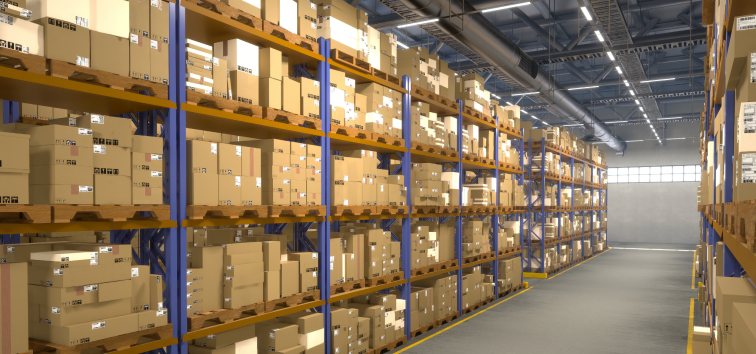
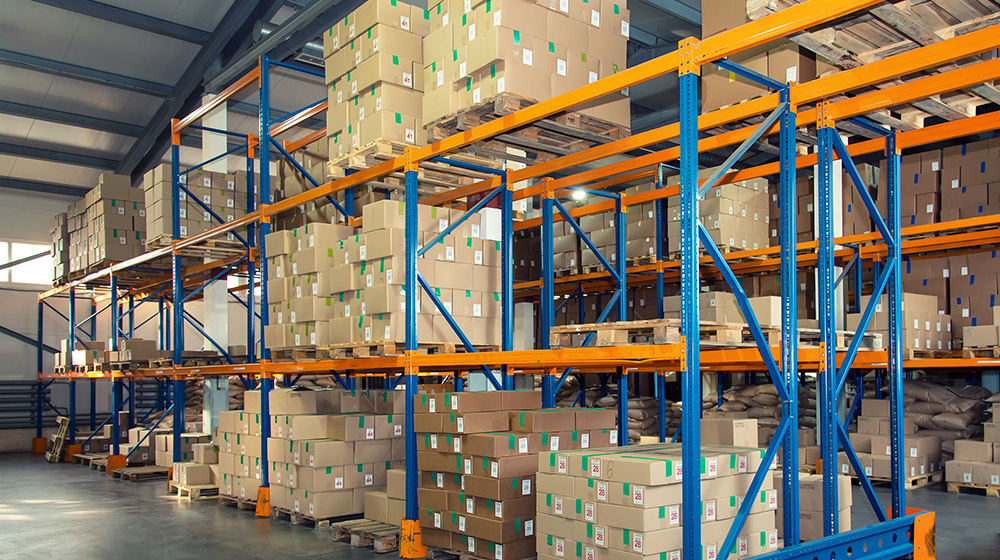
A warehouse functions better when its space is utilised efficiently. This is why racking and storage solutions have become essential tools for modern operations. Every pallet, box and component depends on structured systems that support quick movement and safe handling. A well-organised warehouse reduces wasted time and maintains a smooth flow from receiving to dispatch. Companies today want layouts that support speed, accuracy and cost control. They need systems that adapt as demand changes. Smart storage design helps them reach these goals with ease.
Why Racking Matters in Daily Operations
Racking systems determine how goods are moved within the warehouse. They also control how products are accessed and stored. A strong racking plan improves every process. Workers travel shorter distances. Machines operate in safer paths. Stock becomes easier to find. This reduces disruptions and enables teams to complete tasks more efficiently.
Key Benefits of Racking and Storage Systems
Better Use of Floor Space
Vertical storage increases total capacity. It allows businesses to store more goods without expanding the building space.
Faster Order Picking
Clear lanes and labelled racks guide pickers. This improves speed and reduces mistakes.
Improved Safety
Racks prevent unsafe stacking. They protect products and reduce the risk of accidents.
Stable Inventory Control
A structured layout reduces confusion. Goods are placed in fixed positions. Stock checks become smooth and reliable.
Reduced Handling Time
Efficient layouts shorten the distance for staff and machines. This saves energy and lowers operating costs.
Types of Racking Systems for Modern Warehouses
Selective Pallet Racking
This is the most common choice for general warehouses. It offers direct access to every pallet. It suits facilities with a wide range of products.
Double Deep Racking
This system increases storage density by storing pallets two rows deep. It works well for products with medium rotation.
Drive-In Racking
Drive-in racks store goods in deep lanes. They work well for bulk and high-density storage.
Very Narrow Aisle (VNA) Racking
VNA systems use tall racks with narrow aisles. Special equipment operates in these lanes. They maximise vertical height.
Shuttle Racking
Shuttle racking uses automated shuttles. They move pallets deep inside lanes. This reduces forklift travel and improves safety.
Shelf-Based Solutions for Small Loads
Light items need different systems. Shelving solutions offer flexible support. They suit boxes, bins and loose items. They improve visibility and support manual picking.
Examples include:
- Bin flow shelves for high movement items
- Multi-tier shelves for fast-moving goods
- Compact shelves for light products
A system like the Godrej Altius Lite tier shelving helps increase storage on multiple levels. It supports efficient flow for small load picking.
How Racking Supports Intralogistics
Intralogistics focuses on material flow inside the building. Racking systems support this goal. They help reduce waste, travel time and congestion. They also establish strong connections between storage, transportation, and packing areas.
Smoother Material Movement
Goods move faster when pathways are clear. Racks help define these paths.
Better Integration with Technology
Modern warehouses use scanners and digital tools. A clear racking layout supports these technologies.
Lower Risk of Stock Damage
Secure racks prevent product collapse. They maintain product quality through the entire process.
How Racking Supports Automation
Automation has become a major trend. It depends on stable and precise storage systems.
Automated Storage and Retrieval System (ASRS) Compatibility
Automated cranes and shuttles work best with structured racks. They need accurate bay positions. This reduces errors and supports high-speed operations.
Faster Cycle Times
Automated tools operate more efficiently in planned lanes. They reduce human effort and increase output.
Long-Term Stability
Automation increases capacity. It reduces daily wear on racks. This supports long-term growth.
Improving Workflow with Smart Layouts
A good layout connects storage with picking and dispatch. It supports fast activity with minimal effort.
Key planning steps include:
- Placing fast-moving goods near dispatch
- Using height to store slow-moving items
- Adding cross aisles for smooth flow
- Separating inbound and outbound paths
These steps improve visibility and reduce worker strain.
Using Shelving for Flexible Needs
Light-duty shelves support many industries. They suit electronics, garments, tools and spare parts. They also support seasonal goods. Their flexibility helps teams adjust to changing demand.
Multi-tier shelving provides more space without requiring an expansion of the building. It suits warehouses with a variety of product sizes. It also improves picking density.
Integrating Racking with Digital Systems
Digital tools increase the value of storage systems. They guide workers and track stock.
Barcode and RFID Support
Labels and scanners help identify goods quickly. They reduce data errors.
Warehouse Management System (WMS)
A WMS links stock locations with movement plans. It improves accuracy. It also predicts replenishment needs.
Real-Time Visibility
Live data helps managers make quick decisions. It also highlights bottlenecks.
Racking and Shelving in Future Ready Warehouses
Warehouses now aim for speed and stability. Trends show a move toward automation, robotics and data-driven planning. Storage systems must support these upgrades. This is why many businesses choose engineered racks and shelves from trusted providers like Godrej Storage Solutions. These systems include strong designs for multi-tier shelves and mobile compactors.
Conclusion
Every warehouse grows stronger when its storage works smarter. Well-planned racking and storage systems unlock speed, space and safety. They help teams move goods quickly and protect stock from damage. They also link smoothly with automation and digital tools. As warehouses adopt new systems, they look for flexible solutions that support long-term growth. Strong racking solutions and precise racking & shelving designs help businesses stay ready for the future. With the right tools and structured layouts, any warehouse can run faster, cleaner and more efficiently every day.