

Lithium-ion batteries power many of the devices and systems businesses use every day. They are found in laptops, cell phones, tablets, scanners, power tools, medical equipment, backup systems, e-bikes, and many types of commercial electronics.
Most people use lithium-ion batteries without thinking about what is actually inside them. These batteries may look simple from the outside, but inside they contain layers of metals, chemicals, separators, wiring, and energy storage materials that all work together.
That internal design is also why lithium-ion battery recycling matters. When these batteries are damaged, outdated, swollen, or no longer useful, they should be handled through a proper recycling process. Battery Recycling & Solutions helps businesses sort, collect, and recycle lithium-ion batteries in commercial quantities.
What Are Lithium-Ion Batteries?
Lithium-ion batteries are rechargeable batteries that store and release energy by moving lithium ions between internal battery layers.
In simple terms, lithium-ion batteries are:
- Rechargeable power sources
- Common in portable electronics and commercial equipment
- Made with lithium-based chemistry
- Built from metals, electrolyte, separators, and protective components
- Batteries that require proper handling at end of life
They are popular because they offer strong energy storage in a compact size. That makes them useful for business devices that need reliable power without adding too much weight.
What Type of Lithium-Ion Battery Is Commonly Used?
The most common type used today
Most modern business electronics use rechargeable lithium-ion battery packs. These packs may contain cylindrical cells, pouch cells, or prismatic cells depending on the device.
A laptop battery may contain several cells inside one plastic casing. A phone or tablet may use a flat pouch-style battery. Larger commercial systems may use modules or packs made from many cells connected together.
Older or less common types
Some older rechargeable devices use nickel-cadmium or nickel-metal hydride batteries. These batteries were common before lithium-ion became the standard in many portable electronics.
They are still found in some tools, emergency equipment, and older devices, but lithium-ion batteries are now more common in laptops, phones, scanners, and many modern electronics.
Why lithium-ion became standard
Lithium-ion batteries became popular because they are lightweight, rechargeable, and energy-dense. They allow devices to run longer while staying portable.
For businesses, that means better performance from laptops, tablets, radios, tools, and handheld equipment. For recycling, it means these batteries need to be identified and handled as lithium-based batteries, not ordinary trash.
The Main Materials Inside Lithium-Ion Batteries
Lithium compounds
Lithium compounds are central to how the battery stores and releases energy. During charging and discharging, lithium ions move between the battery’s internal layers.
These compounds are part of what makes the battery useful, but they also make proper lithium-ion battery recycling important.
Cobalt, nickel, manganese, or iron phosphate
Many lithium-ion batteries contain metal-based cathode materials. Depending on the chemistry, those materials may include cobalt, nickel, manganese, or iron phosphate.
Not every lithium-ion battery is the same. Some are designed for high energy density, while others are built for stability, long life, or lower cost. The chemistry affects both performance and recycling.
Graphite
Graphite is commonly used in the anode. This is one of the main internal layers where lithium ions are stored during charging.
It may not be visible from the outside, but graphite plays an important role in how lithium-ion batteries charge and deliver power.
Copper and aluminum
Copper and aluminum are used to conduct electricity inside the battery. They help move current through the battery’s internal structure.
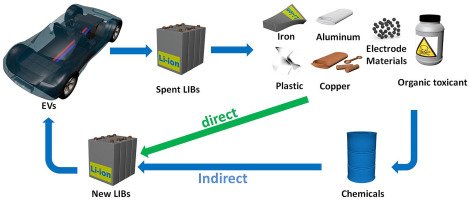
These metals are also important from a recycling standpoint because they can be separated and routed into recovery streams during proper processing.
Electrolyte solution
The electrolyte allows ions to move inside the battery. Without it, the battery could not charge or discharge correctly.
The electrolyte is also one reason damaged lithium-ion batteries need careful handling. If a battery is punctured, crushed, or leaking, internal materials may become exposed.
Plastic separators
Separators sit between battery layers to help keep them from touching directly. This matters because direct contact between certain internal layers can cause a short circuit.
In simple terms, separators help the battery function safely when everything is working as intended.
Casing and safety circuitry
Many lithium-ion battery packs also include plastic casing, wiring, terminals, and protective circuitry. Larger packs may include a battery management system that helps control charging, discharging, temperature, and cell balance.
These components help protect the battery during normal use, but they do not make the battery indestructible.
How Lithium-Ion Batteries Work
Lithium-ion batteries work by moving lithium ions between the anode and cathode.
When the battery charges, ions move in one direction. When the battery powers a device, the ions move back and release energy.
Inside the battery, the electrolyte helps ions move, the separator keeps layers apart, and the current collectors help electricity flow. In a battery pack, control circuitry helps manage charging and reduce performance or safety issues.
That simple movement of ions is what allows a battery to power a laptop, scanner, phone, tool, or backup system.
Why Lithium-Ion Batteries Can Become a Problem
Lithium-ion batteries are useful, but they need proper handling when they are damaged or no longer needed.
Heat buildup
Heat can stress a battery over time. Poor ventilation, heavy use, age, charging problems, or internal damage can all make heat more of a concern.
Swelling or physical damage
A swollen battery is a warning sign. Batteries may swell when internal cells begin to fail or gas builds up inside the pack.
Damaged batteries should not be crushed, punctured, forced back into a device, or mixed with regular waste.
Fire risks
Lithium-ion batteries can create fire risks if they are crushed, punctured, overheated, or short-circuited. This is why damaged batteries and bulk battery loads should be handled carefully.
Mixed material challenges
Lithium-ion batteries contain metals, plastics, chemicals, and electronics. Because they are made from mixed materials, they should not be treated like simple scrap.
Why Lithium-Ion Batteries Should Be Recycled
Lithium-ion battery recycling helps businesses keep batteries out of regular trash and move them into a responsible recycling process.
Recycling supports:
- Better material management
- Cleaner IT and facility storage areas
- Proper handling of damaged or outdated batteries
- Bulk battery pickup and sorting
- Responsible commercial recycling
- Reduced improper disposal
For businesses with large quantities, battery recycling also creates a more organized process for employees, maintenance teams, and facility managers.
Common Places Businesses Find Lithium-Ion Batteries
Businesses may find lithium-ion batteries in:
- Laptops
- Cell phones and tablets
- Barcode scanners
- Two-way radios
- Power tools
- Medical devices
- Security equipment
- E-bikes and scooters
- Backup power systems
- Solar battery systems
- Warehouse equipment
- Electronics cleanouts
These batteries often appear during upgrades, repairs, device returns, cleanouts, and equipment replacement projects.
How Businesses Should Handle Lithium-Ion Batteries at End of Life
Businesses should start by identifying the battery type and separating lithium-ion batteries from regular trash.
Check for signs of damage, including swelling, leaking, cracking, exposed wires, burn marks, or unusual heat. Damaged batteries should be separated from normal batteries and handled with extra care.
Store batteries in a controlled area where they will not be crushed, punctured, or mixed with loose scrap. For bulk quantities, work with an experienced battery recycling provider that can help with sorting, pickup, and proper recycling.
How Lithium-Ion Batteries Compare to Similar Batteries
Lithium-Ion Batteries vs Alkaline Batteries
Alkaline batteries are usually single-use and found in basic devices. Lithium-ion batteries are rechargeable and used in higher-performance electronics.
Lithium-Ion Batteries vs Lead Acid Batteries
Lead acid batteries are heavier and common in UPS systems, vehicles, and backup power. Lithium-ion batteries are lighter and often used in portable electronics and modern energy systems.
Lithium-Ion Batteries vs Nickel-Cadmium Batteries
Nickel-cadmium batteries are older rechargeable batteries used in some tools and emergency equipment. Lithium-ion batteries are now more common in modern business electronics because they are lighter and more energy-dense.
How Battery Recycling & Solutions Helps With Lithium-Ion Battery Recycling
Battery Recycling & Solutions helps businesses manage lithium-ion battery recycling with proper sorting, pickup, and responsible recycling support.
The company works with commercial quantities, bulk battery loads, mixed battery types, and batteries from IT cleanouts, facility upgrades, municipal programs, and business recycling projects.
For organizations that are unsure what type of batteries they have, Battery Recycling & Solutions can help create a clearer path for proper disposal and approved recycling.
Frequently Asked Questions About Lithium-Ion Batteries
What is inside lithium-ion batteries?
Lithium-ion batteries may contain lithium compounds, graphite, electrolyte, copper, aluminum, plastic separators, metal casing, and protective circuitry.
Are lithium-ion batteries recyclable?
Yes. Lithium-ion batteries can be recycled through proper battery recycling programs.
Why should lithium-ion batteries be recycled?
They contain mixed materials and stored energy that should be managed properly instead of being thrown into regular trash.
Can lithium-ion batteries be dangerous if damaged?
Yes. Damaged, swollen, punctured, crushed, or overheated lithium-ion batteries can create safety concerns and should be handled carefully.
What should businesses do with damaged lithium-ion batteries?
Businesses should separate damaged batteries, avoid crushing or puncturing them, and contact a battery recycling provider for guidance.
Does Battery Recycling & Solutions recycle lithium-ion batteries?
Yes. Battery Recycling & Solutions helps businesses with lithium-ion battery recycling, bulk pickup, sorting, and responsible battery recycling services.
Conclusion
Lithium-ion batteries may look simple from the outside, but inside they contain a complex mix of lithium compounds, metals, graphite, electrolyte, separators, casing, wiring, and safety components.
Those materials make lithium-ion batteries useful, but they also make proper recycling important. Businesses should avoid throwing them into regular trash or leaving old batteries in storage indefinitely.
Battery Recycling & Solutions helps businesses with lithium-ion battery recycling, pickup, sorting, and bulk battery management, making it easier to handle end-of-life batteries the right way.