


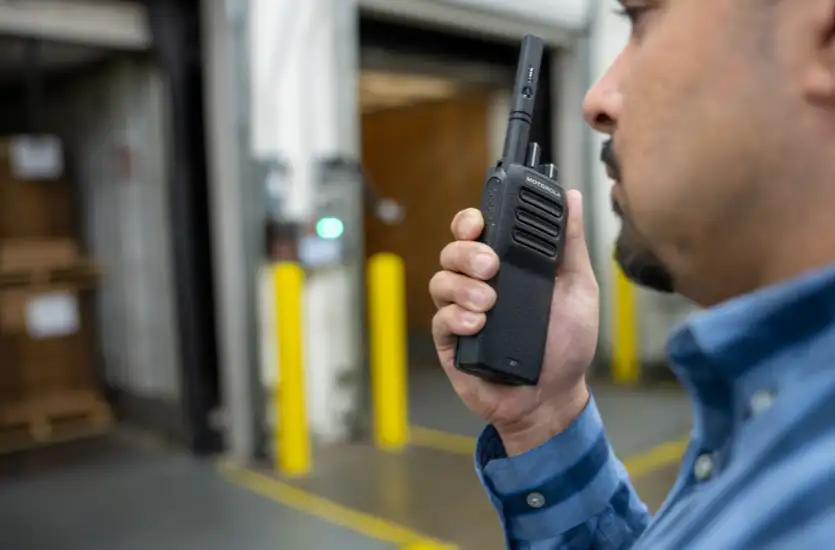
Every long-distance communication ad sounds a little unbelievable at first.
“Nationwide coverage.”
“Works across massive distances.”
“Reliable communication almost anywhere.”
Sure. And every GPS route is supposedly “the fastest option” right before it sends you through a gravel road behind someone’s farm.
People are naturally skeptical about long-range communication technology, especially when it comes to the modern two-way radio. For years, radios carried a reputation for limited range, static-heavy audio, and the occasional deeply frustrating “Can you hear me now?” experience somewhere halfway up a mountain.
But technology changed. Quietly, too.
Modern two-way radio systems operate very differently from the older short-range radios many people still imagine. And surprisingly, yes, many of them genuinely do work for long-distance communication.
The real answer just depends on understanding how.
Traditional Radios Had Serious Range Limits
Older radio systems relied heavily on direct radio frequencies and line-of-sight communication.
Which sounds technical but really means this: mountains, buildings, forests, weather, and distance all made communication harder very quickly.
Two people standing in open terrain could communicate fairly well. Add dense cities, hills, remote highways, or large obstacles into the mix and signal quality often dropped fast. That’s why traditional walkie-talkies sometimes struggled once users moved too far apart.
And honestly, that reputation stuck around for years.
A modern two-way radio, however, often works through much more advanced communication methods than older systems people remember from camping trips or construction sites twenty years ago.
Modern Two-Way Radios Aren’t Limited the Same Way
Today’s long-distance radio systems evolved far beyond basic short-range communication.
Many modern two-way radio devices now use advanced push-to-talk technology, broader communication infrastructure, digital networking, and alternative connectivity systems that dramatically extend communication range. Some devices can maintain communication across cities, states, or even nationwide distances depending on the system being used.
That’s a massive leap from traditional radios that relied almost entirely on direct local signal strength.
In practical terms, modern systems allow road trip groups, outdoor travelers, event teams, security personnel, emergency responders, and families to stay connected across enormous distances while still using simple push-button communication.
Which honestly feels a little futuristic once you realize how simple the experience still is.
Long-Distance Communication Depends on the Technology
This is where people sometimes get confused.
Not every two-way radio works the same way.
Basic consumer radios designed for short-range recreational use still have range limitations tied closely to terrain and local conditions. Those systems work well for nearby communication but may struggle across large distances or difficult environments.
Modern long-range systems are different because they incorporate more sophisticated communication networks that extend beyond traditional radio-only transmission.
That added infrastructure allows communication to remain stable over much larger distances without depending entirely on direct line-of-sight contact between devices.
In other words: the technology matured significantly while most people weren’t paying attention.
Remote Areas Still Highlight the Advantages
One of the biggest reasons long-range two-way radio systems continue growing in popularity is simple: smartphones are surprisingly unreliable once infrastructure becomes inconsistent.
Remote highways. Mountain roads. National parks. Rural areas. Large outdoor events. Severe weather situations.
These environments expose the weaknesses of traditional cellular communication quickly.
Phones depend heavily on towers, network traffic, internet infrastructure, and signal availability all functioning properly at once. During outages, crowded events, or remote travel, communication can become unreliable fast.
Modern two-way radio systems often avoid many of those issues because communication methods remain more direct and resilient during difficult conditions.
Which is why travelers, campers, overlanders, emergency preparedness groups, and outdoor enthusiasts continue relying on them heavily.
Because “No Service” gets old very quickly.
Instant Communication Still Matters
There’s another reason long-range radio systems remain valuable: speed.
Phone communication involves friction now. Calls fail. Messages get delayed. Notifications disappear beneath dozens of unrelated alerts. Entire conversations happen through typing bubbles and missed calls.
A two-way radio removes most of that complexity.
Push button. Speak instantly. Receive response immediately.
That simplicity becomes especially useful during emergencies, travel coordination, outdoor activities, road convoys, or fast-moving situations where delayed communication creates confusion quickly.
And honestly, people tend to underestimate how reassuring instant communication feels until they lose it.
Battery Life Quietly Became a Huge Advantage
Modern smartphones are multitasking machines constantly draining power.
Maps, apps, streaming, notifications, weak-signal searching, batteries disappear surprisingly fast during travel or emergencies. Long-range radio systems often perform far better in these situations because communication remains their primary function.
Many modern two-way radio devices are designed for extended operational life, making them ideal for road trips, outdoor adventures, emergency preparedness, and long-distance coordination where charging opportunities may be limited.
Because communication tools become dramatically less helpful once the battery icon turns red.
So… Do They Really Work?
Short answer: yes.
Modern two-way radio systems are significantly more advanced than the limited-range radios many people remember from years ago. Today’s technology supports clearer audio, stronger connectivity, broader communication coverage, and far more dependable long-distance performance than traditional radio systems ever could.
Are they magic? No.
Terrain, infrastructure, device type, and communication networks still matter. But modern systems have evolved into highly practical communication tools capable of keeping people connected across distances that would have seemed unrealistic for older radio technology.
And in a world increasingly dependent on fragile networks and overloaded infrastructure, reliable communication suddenly feels a lot smarter than flashy technology promises.