


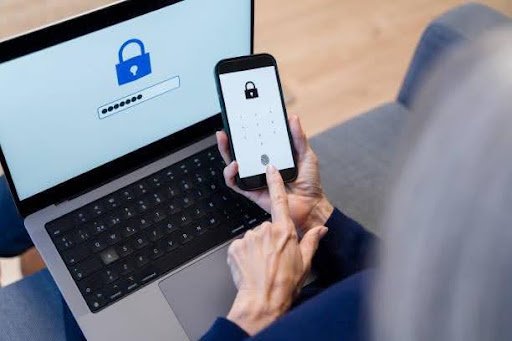
Look, if you’ve spent ten minutes trying to remember whether your password had a capital letter or an exclamation point, only to get locked out anyway, you get why the whole system feels broken. I’ve been there more times than I’d like to admit. The good news? The iGaming world is finally ditching passwords for something that actually makes sense: passkeys and biometric logins. And honestly, it’s about time.
Why Passwords Don’t Work Anymore
Here’s the thing: we’re terrible at passwords. Not because we’re dumb, but because the whole concept fights against how our brains work. You need something complex enough that hackers can’t guess it, but simple enough that you’ll remember it at 11 PM when you just want to play a few hands. So what do we do? We use the same password everywhere, or we write it on a sticky note, or we go with “Password123!” and call it a day.
The banks figured this out the expensive way. Back in 2022, Australian banks dealt with more than 38,000 account takeover cases. That’s a lot of people having really bad days. Most of those breaches? Compromised passwords.
For online casinos, this gets even messier. Your account isn’t just holding your high score. It’s got actual money in it, plus your payment info and personal details. When someone cracks your password, they’re not just logging in for fun. They’re draining your balance and potentially stealing your identity. And the casino operator? They’re dealing with regulatory nightmares and trying to figure out how this happened on their watch.
What gets me is that we’ve had the solution sitting in our pockets since, what, 2013? Fingerprint scanners. Facial recognition. They’ve been standard on phones for years. But getting the gaming industry to actually use them? That’s been like pulling teeth. Part of it’s technical headaches, part of it’s the sheer hassle of overhauling a login system when you’ve got millions of users.
How Passkeys Actually Work
So passkeys aren’t just a fancier password. They’re a completely different beast. Instead of typing in some phrase that gets beamed across the internet, your phone or laptop creates what’s called a cryptographic key pair. Think of it like two puzzle pieces that only fit together. One piece lives on your device and never leaves. The other sits on the casino’s server.
When you log in, your device basically says, “Hey, I’ve got the matching piece,” without actually showing it. Even if someone’s snooping on the connection, they get nothing. There’s literally no password to steal.
Apple’s on board. Google’s on board. Microsoft too. Which means whether you’re playing online casino blackjack on your iPhone, some Android phone or your Windows laptop, it all works the same. You might unlock it with your face, your fingerprint or just a PIN, but the security magic happening behind the scenes is identical.
Remember when two-factor authentication first showed up? Everyone complained about having to grab their phone and type in a code every single time. Now we barely think about it. Passkeys should actually be easier. You just look at your phone or touch the sensor and boom, you’re in.
Biometric Security in Practice
I’ve watched this roll out in other places first. My banking app? Face unlock. Takes maybe a second. Uber drivers verify with fingerprints. Even dealing with government stuff through myGov, you can use biometric verification now. It’s everywhere.
For the people running online casinos, the advantages stack up pretty quick:
- Way less fraud from stolen accounts
- Players get in faster (no more fumbling with passwords)
- Customer service stops drowning in password reset tickets
- Meeting know-your-customer rules becomes simpler
- Players actually trust you more
The tech isn’t flawless, sure. Sometimes facial recognition gets confused in dim lighting. Your fingerprint sensor might give you grief if your hands are wet or greasy. But these are minor annoyances that get better with every new phone release.
What really changes the game is how this messes with fraudsters. Right now, they steal passwords through phishing emails or data breaches. Happens all the time. But with biometric login? They’d need your actual device AND your actual face or fingerprint. That’s a way taller order.
The Regulatory Push Behind the Change
Australian gambling regulators have been cranking up the pressure on player verification and responsible gambling measures. Passkeys and biometrics slot right into what they want because it makes account sharing basically impossible.
And that matters more than you might think. Problem gambling experts have said for years that one red flag is when multiple people use the same account. With biometric logins, that door slams shut. You need the actual registered player standing there to log in, which creates a natural pause point. Maybe that moment of friction helps someone think twice.
There’s also the anti-money laundering angle. Financial watchdogs want proof that the person depositing and withdrawing money is actually the account holder. A password proves nothing. Anyone could’ve gotten it. Your fingerprint? That’s you.
A handful of operators are already testing this stuff. Some offshore platforms have rolled out fingerprint login as an option you can turn on. From what I’ve heard, most players dig it once they get through the initial setup process.
What This Means for Players
Don’t expect your casino to force this on you tomorrow morning. Most places will probably introduce passkeys as an option first, letting you keep your password if you want. Eventually, though (maybe in a year or two), passwords might become the backup plan instead of the main event.
There’s something kind of nice about this whole shift. Your account stops being protected by something you have to remember and becomes tied to something you are. No more password managers. No more digging through your email for that reset link. No more lying awake wondering if your login details are floating around some hacker forum.
The gaming industry usually drags its feet with security stuff. We’re often the last ones to adopt anything new. But this feels different somehow. You’ve got Apple, Google and Microsoft all pushing the same standard. You’ve got regulators demanding better authentication. It’s not really a matter of whether this happens anymore.