



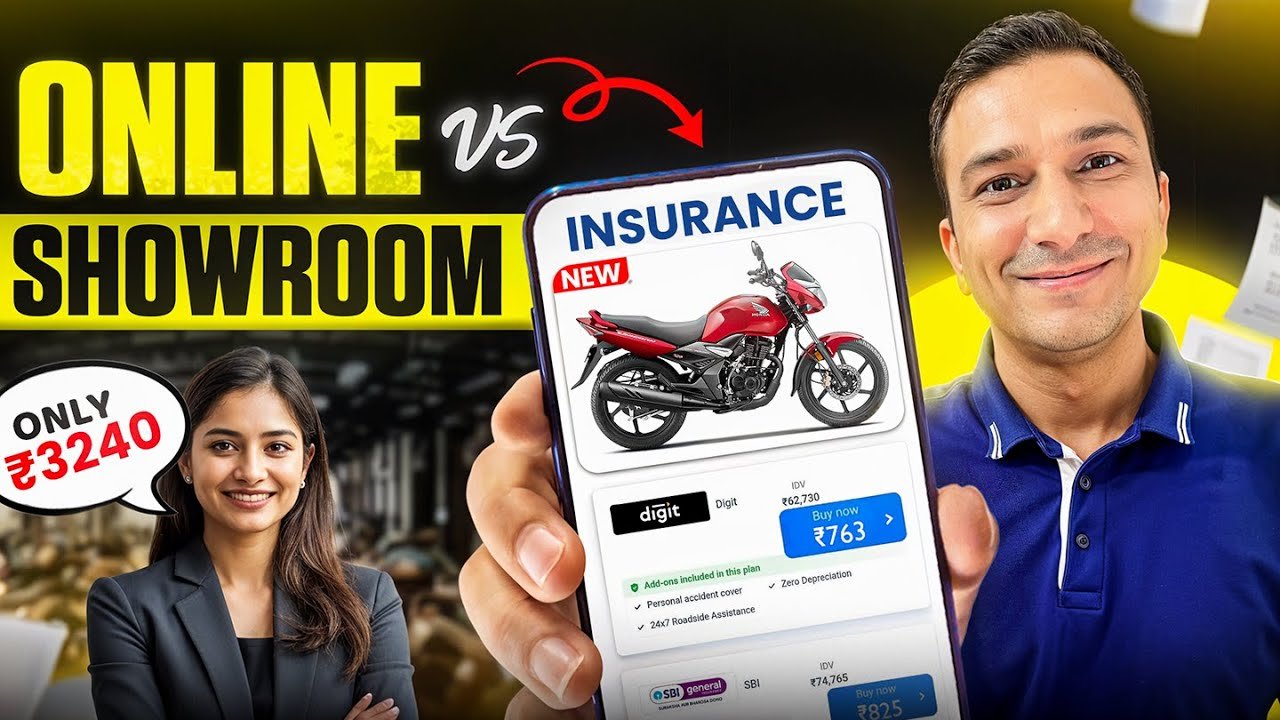
Buying 2 wheeler insurance online should be as simple as completing your FASTag, straightforward, and stress-free. Yet many riders still end up scrolling through page after page, unsure which plan truly suits their daily ride. This guide cuts through the noise and explains how to compare policies the smart way, with practical tips based on how riders in India actually use their bikes.
Why Shop Online for a Bike Cover?
Digital journeys are now the standard. You can compare premiums in minutes, review add-ons at your convenience, and avoid paperwork. Most platforms securely store your details for future renewals, so you don’t need to re-enter information. The result is clear: better visibility, fewer calls, and the flexibility to choose a policy that suits your budget and riding habits.
First Principles: Know What You are Buying
Insurance for two-wheelers in India sits on two pillars. A third-party policy meets the legal requirement and covers damage or injury caused to others. Stepping up to comprehensive bike insurance keeps that legal cover but adds protection for your own vehicle against common risks such as theft, accidental damage, fire, and weather events. If you commute daily, park in open areas, or simply want broader peace of mind, the comprehensive route usually makes practical sense.
Third-Party vs Comprehensive
A Quick Sense-Check:
- Choose a third-party when you want the bare minimum to stay road-legal, and your bike’s market value is modest.
- Choose comprehensive bike insurance when you care about your own-damage cover and want the flexibility of add-ons like zero depreciation, roadside assistance, or engine protection.
How to Compare Plans Without Getting Lost
When quotes line up on your screen, do not chase the lowest price first. Match the plan to the way you actually ride.
- Cover type: Confirm whether you are seeing third-party or comprehensive. The label matters more than the premium at first glimpse.
- IDV clarity: The Insured Declared Value is the amount on which your own-damage cover is based. A sensible IDV keeps the premium balanced while still protecting you from a painful payout gap after a total loss or theft.
- Exclusions and deductibles: Scan the fine print. Two plans that look identical may treat fibre parts, accessories, or flood-related damage differently.
- Cashless network and claims flow: Check whether garages near your regular route are on the panel. A straightforward digital claim with photo uploads saves time during a stressful moment.
- Tenure and reminders: Multi-year options reduce the admin of annual renewals. If you prefer yearly, ensure you will get alerts before the due date.
A quick way to think about it
City commuter with tight parking? You may value zero depreciation and a good cashless network close to your neighbourhood. Weekend tourer who loves hill runs? Engine protection and roadside assistance become more than nice-to-haves. The right policy mirrors your real life, not someone else’s checklist.
Renewals, Lapses, and Getting Cover Back on Track
Most insurers allow expired policy renewal online. The process may include a brief self-inspection or a quick check by a representative, especially if the break was longer. Many platforms now offer inspection-free renewal when the lapse is short, and no claims were made in the previous term. Renew as soon as you realise the cover has lapsed, so you can avoid extra steps and protect any no-claim bonus you have accumulated.
What You Need Before You Click “Buy”
Keep these handy for a smooth purchase:
- Registration Certificate details and the exact variant of your bike.
- Previous policy information, including expiry date and NCB status.
- A clear idea of the IDV range you are comfortable with.
- Your contact details for receiving the soft copy and alerts.
Once payment is done, most portals provide an instant policy download and email the e-policy.
Common Mistakes to Avoid
Here are a few pointers to avoid:
- Settling for the cheapest premium only to discover an essential exclusion at claim time.
- Ignoring the garage network and then driving across town for cashless approval.
- Letting the renewal slide and losing NCB, then scrambling for documents.
- Overlooking policy wording on accessories or modifications fitted at the dealer.
A Simple Comparison Flow You Can Follow Today
Review your current policy, note the IDV and any add-ons you used or wished you had. Obtain three to four quotes for 2-wheeler insurance and compare them on the same criteria: cover type, IDV, add-ons, exclusions, and real claims experience. If you’re satisfied with your insurer, run a like-for-like check to confirm value; if not, switch confidently once the benefits align.
Final Thoughts
The best 2-wheeler insurance is unobtrusive on ordinary days and dependable when things go wrong. Compare and buy online for clarity and control. Choose comprehensive bike insurance if you need broader protection, and renew on time to protect your savings. If you miss the renewal date, use the expired policy renewal and, where available, opt for inspection-free renewal to restart cover quickly. After purchase, keep your e-policy handy with the instant policy download.