



By Pia Frederick
Interest in subtle beauty enhancements that avoid surgery has surged from classic facials Melbourne clients adore to advanced injectables and energy-based therapies. Across the world, millions of people are opting for non-surgical aesthetic treatments that rejuvenate the skin, smooth lines, and improve overall tone without the risks or recovery time associated with traditional operations. This shift reflects broader changes in how consumers think about beauty: a focus on gradual, natural results and wellness-oriented care rather than dramatic surgical transformation.
What Defines Non-Surgical Aesthetic Treatments?
Non-surgical aesthetic treatments are cosmetic procedures that enhance appearance without incisions or significant trauma to body tissues. These include wrinkle-relaxing injections like Botox, dermal fillers, chemical peels, laser skin resurfacing, microneedling, and a range of skin tightening technologies. What sets these options apart from surgical cosmetic procedures is typically minimal downtime, lower cost, and a reduced risk profile, all while delivering noticeable improvements.
While surgical procedures such as facelifts and rhinoplasty still play a role in cosmetic enhancements, non-surgical treatments now dominate the market: data from the American Society of Plastic Surgeons (ASPS) shows non-surgical procedures accounted for over 90% of total medical aesthetic treatments performed globally in 2022.
Market Growth and Consumer Trends
The global non-surgical aesthetic market continues to expand rapidly. As of 2023, the non-invasive aesthetic segment was estimated at around USD 70.8 billion and is forecast to grow to more than USD 300 billion by 2033, representing a compound annual growth rate (CAGR) of nearly 15.7%.
This growth is driven by several factors:
- Consumer preference for natural-looking results over dramatic change.
- Short recovery times — most treatments allow clients to resume daily activities immediately.
- Lower relative cost compared with surgery.
- Technological advancements that improve safety and outcomes.
- Social influence and media exposure, with many users seeking subtle enhancements that align with modern beauty ideals.
Most Popular Non-Surgical Treatments
Injectables
Botulinum toxin injections, commonly known as Botox, remain the most frequently performed non-surgical procedure worldwide, with millions of treatments administered each year. Hyaluronic acid dermal fillers are a close second, used to restore volume, smooth deep wrinkles, and contour facial features.
Skin Rejuvenation
Laser and light-based therapies help refresh skin tone, reduce pigmentation issues, and stimulate collagen production. Chemical peels and microdermabrasion offer improvements in texture and brightness, often with little to no downtime.
Advanced Energy-Based Treatments
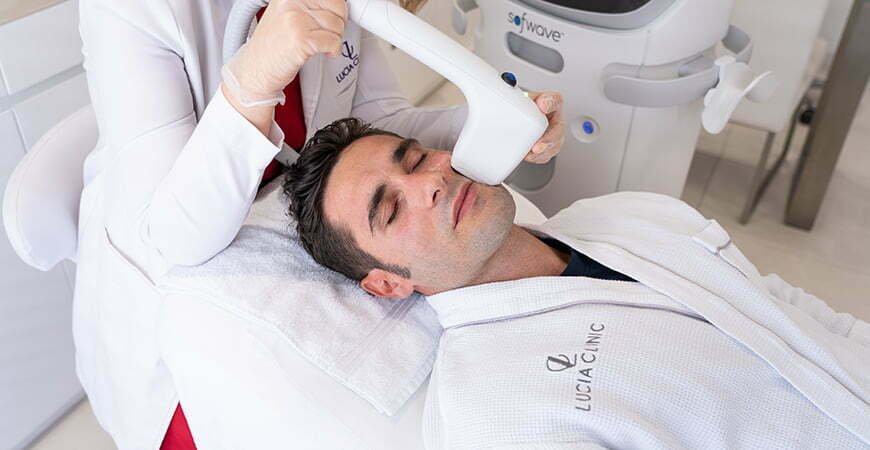
Technologies like ultrasound and radiofrequency have expanded the non-surgical toolkit to include skin tightening and lift effects that once required incisions. These methods support subtle improvements over a series of sessions.
Why People Choose Non-Surgical Options
One of the key reasons people gravitate toward non-surgical procedures is the pursuit of a natural, refreshed look, not a transformed appearance. Many clients prefer enhancements that subtly enhance their features without the risks of anaesthesia, surgical scarring, or extended healing. Moreover, advancements in medical technology now allow clinicians to tailor treatments precisely to a patient’s anatomy and aesthetic goals.
Demographically, non-surgical treatments attract a wide age range. Millennials and younger clients increasingly explore preventive treatments, while older adults seek options that help maintain a youthful appearance without surgery.
Safety, Regulation, and Choosing a Provider
While non-surgical treatments are generally considered safe when administered by qualified professionals, consumers should always prioritise clinics and practitioners with strong credentials and transparent practices. Proper consultation helps ensure that treatment choice, expected outcomes, and potential side effects are clearly understood before any procedure begins.
In many countries, regulatory frameworks are evolving to protect patient safety and standardise provider training. These efforts help ensure aesthetic services deliver benefits while minimising risk.
Conclusion
The rise of non-surgical aesthetic treatments represents a shift in how people approach beauty and ageing, favouring subtle, personalised enhancements that preserve a natural look. With robust market growth, diverse treatment options, and an emphasis on safety and client satisfaction, non-surgical aesthetics continue to reshape the cosmetic industry. From classic skin care sessions to advanced injectables and energy-based therapies, this trend shows no signs of slowing as technology and consumer preferences evolve.