



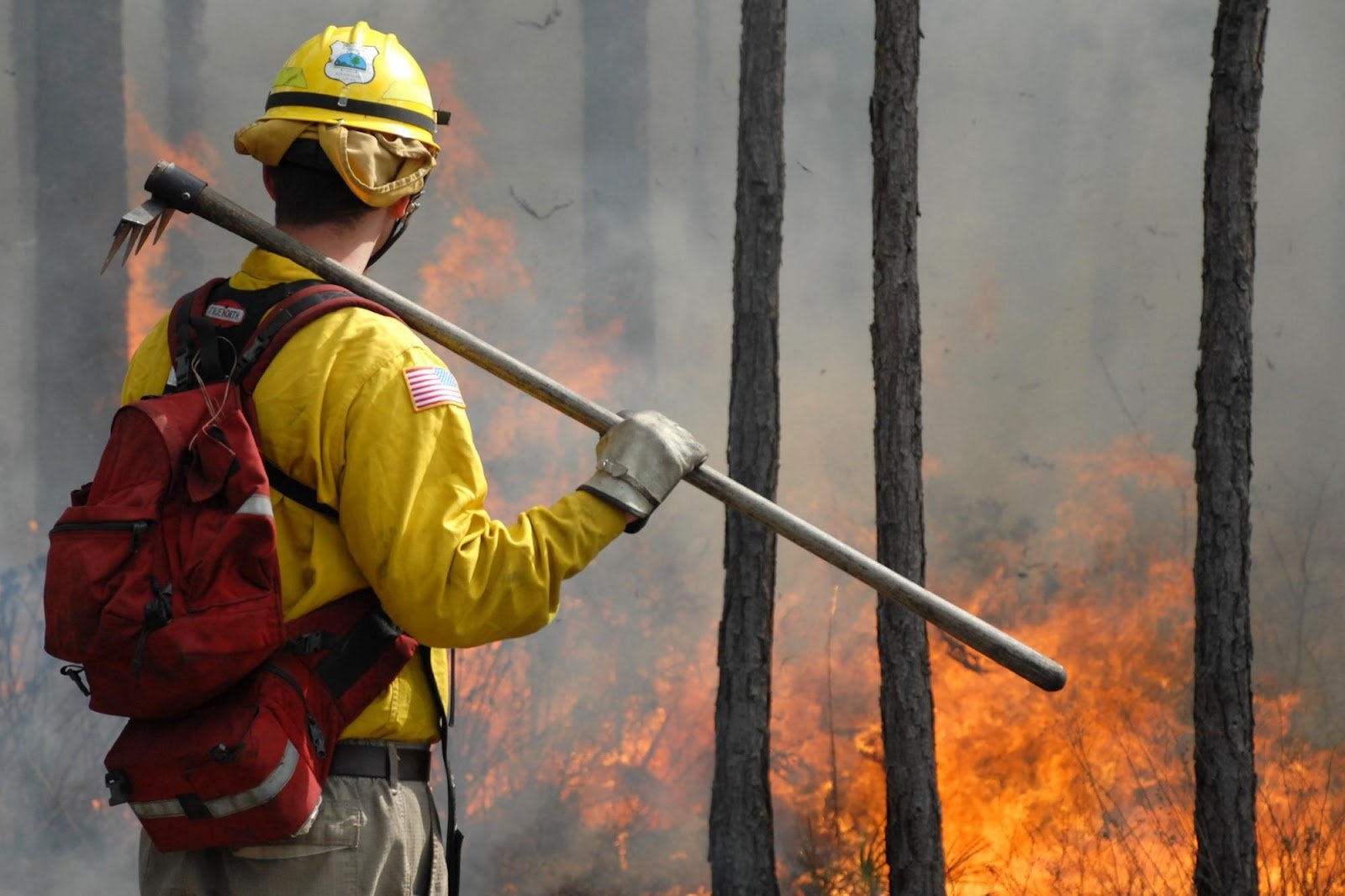
Fire safety remains a top priority for commercial properties and active job sites where daily operations, valuable assets, and human lives intersect. Statistical reviews of fire incidents consistently show that workplaces with high activity levels and temporary system impairments face elevated fire risks. Fire Watch Guards play a critical role in managing these risks by providing prevention, monitoring, and rapid response. This article presents a professional, statistics-style overview of how fire watch guards protect commercial properties and job sites, highlighting measurable benefits and real-world relevance.
Why Are Commercial Properties More Exposed to Fire Risks?
Commercial properties experience diverse fire hazards due to electrical systems, heavy equipment, high occupancy, and constant operational changes. According to industry safety data, electrical faults, overloaded circuits, and improper storage of materials remain among the leading causes of commercial fires. Fire watch guards are deployed to monitor these risks continuously and identify early warning signs.
Their presence ensures that hazards are addressed before escalation. Routine patrols focus on mechanical rooms, storage areas, and common spaces where risks often accumulate. Statistical analysis shows that facilities with active fire watch coverage experience fewer incidents related to unattended hazards and procedural lapses, demonstrating the value of consistent human oversight.
How Do Job Sites Create Unique Fire Safety Challenges?
Job sites, particularly construction and renovation locations, present temporary and evolving fire hazards. Data from workplace safety reports indicates that job sites account for a disproportionate number of fire incidents compared to completed facilities. Hot work activities, temporary wiring, and combustible materials significantly increase ignition risks.
Fire watch guards are specifically trained to monitor these high-risk activities. They ensure compliance with safety protocols during welding, cutting, and grinding tasks. By maintaining visual supervision and enforcing safe practices, guards help reduce fire incidents that often result from human error or procedural shortcuts.
What Preventive Measures Do Fire Watch Guards Implement?
Prevention is the foundation of effective fire watch services. Fire watch guards conduct regular inspections to identify potential hazards such as blocked exits, malfunctioning equipment, or improper storage of flammable materials. Statistical trends in fire prevention show that early identification and correction of such issues can reduce fire incidents by a significant margin.
Guards also verify that fire extinguishers are accessible and that emergency signage remains visible. Their reports provide actionable data that property managers and site supervisors can use to strengthen safety measures. This preventive approach aligns with data-driven risk management strategies widely adopted across industries.
How Does Continuous Monitoring Improve Safety Outcomes?
Continuous monitoring distinguishes fire watch services from intermittent inspections. Data analysis of fire response times reveals that early detection is one of the most critical factors in minimizing damage. Fire watch guards perform scheduled and unscheduled patrols to ensure that no area is left unobserved.
Their ability to recognize subtle changes—such as unusual odors, sparks, or heat buildup—allows them to intervene before a situation becomes critical. Statistics from incident investigations consistently show that human observation plays a decisive role in preventing small hazards from becoming major emergencies.
Why Is Rapid Response Essential on Commercial Properties and Job Sites?
Response speed directly influences the severity of fire incidents. Industry studies show that fires addressed within the first few minutes are far less likely to cause extensive damage. Fire watch guards are trained to respond immediately by activating alarms, contacting emergency services, and initiating evacuation procedures.
On job sites, where workers may be spread across large or complex areas, guards provide clear direction and reduce confusion during emergencies. Their familiarity with the layout and risk zones allows for efficient coordination, a factor repeatedly linked to improved evacuation success rates.
How Do Fire Watch Guards Support Regulatory Compliance?
Regulatory compliance is a critical concern for commercial properties and job sites. Safety regulations often require fire watch coverage during periods when fire systems are impaired or when high-risk activities are underway. Compliance data shows that organizations failing to meet these requirements face increased penalties and operational delays.
Fire watch guards help maintain compliance by documenting patrols, observations, and corrective actions. These detailed logs serve as verifiable proof of due diligence during audits and inspections. Statistical correlations between proper documentation and favorable inspection outcomes highlight the importance of this role.
What Skills Make Fire Watch Guards Effective in These Environments?
The effectiveness of fire watch guards depends on their training and situational awareness. Professional guards receive instruction in fire behavior, hazard recognition, emergency communication, and evacuation management. Comparative safety data indicates that trained personnel significantly outperform untrained observers in preventing and managing fire incidents.
In commercial properties, guards must balance safety enforcement with customer and employee interactions. On job sites, they adapt to constantly changing conditions. This versatility enhances their effectiveness and contributes to measurable improvements in overall safety performance.
How Do Fire Watch Guards Reduce Financial and Operational Losses?
Fire incidents can result in costly repairs, insurance claims, and prolonged downtime. Financial risk assessments consistently identify fire prevention as a key factor in protecting business continuity. Fire watch guards reduce financial exposure by preventing incidents and minimizing damage when emergencies occur.
Data from insurance and risk management reports suggests that proactive fire watch programs are associated with lower claim frequencies and improved risk profiles. By safeguarding assets and operations, guards contribute to long-term financial stability.
Why Is Human Oversight Still Critical in a Data-Driven World?
Despite advances in fire detection technology, statistics show that human oversight remains indispensable. Automated systems may fail, be temporarily disabled, or produce false alarms. Fire watch guards provide real-time judgment and adaptability that technology alone cannot replicate.
Their ability to interpret environmental cues and respond dynamically enhances overall safety effectiveness. In many documented cases, guards identified hazards that automated systems did not detect, reinforcing the importance of human involvement in fire safety strategies.
What Do Statistics Reveal About Fire Watch Coverage Effectiveness?
Statistical evaluations of fire safety programs reveal a clear pattern: sites with structured fire watch coverage experience fewer incidents and faster response times. Commercial properties report improved compliance scores, while job sites show reduced accident rates during high-risk activities.
These outcomes are not coincidental. Fire watch guards integrate prevention, monitoring, and response into a single operational framework. This integrated approach aligns with modern safety management principles and delivers measurable results.
Why Are Fire Watch Guards a Strategic Asset for Properties and Job Sites?
Fire watch guards are more than a temporary safety measure; they are a strategic asset for commercial properties and job sites. Their presence reinforces accountability, supports compliance, and protects people and assets. Statistical evidence consistently supports their value in reducing risk and enhancing safety outcomes.
By focusing on prevention, continuous monitoring, and rapid response, fire watch guards address the unique challenges faced by commercial environments and active job sites. Their role is grounded in data, driven by professionalism, and essential for maintaining safe and resilient operations.