



Table of Contents
- Introduction
- The Evolving Role of Recruiters
- Leveraging Technology in Recruitment
- Prioritizing Skills Over Degrees
- Enhancing Candidate Experience
- Addressing Bias in Hiring
- Navigating the Global Talent Pool
- The Future of Recruitment
- Conclusion
Recruiters are the essential link between companies and the talent that drives them forward. Not only do they play a pivotal role in guiding professionals through changing job markets, but they also actively shape career trajectories and influence company culture. Understanding what a recruiter does is the first step in appreciating their lasting impact on both individual careers and organizations.
Recruiters have evolved into trusted advisors in the modern workforce, playing a pivotal role in connecting employers with candidates while fostering career growth. Their responsibilities now encompass advocating for company culture, developing inclusive hiring practices, and enhancing business outcomes. By prioritizing candidate potential and organizational fit, they address challenges such as the rise of remote work and the emphasis on skills over degrees, all while ensuring positive experiences for candidates throughout the hiring process.
The Evolving Role of Recruiters
The role of recruiters has undergone a radical transformation over the last decade. Where their primary responsibility was once administrative—screening resumes and scheduling interviews—they are now seen as strategic partners invested in organizational growth. Today, recruiters play a crucial role in defining employer branding, optimizing team composition, and developing proactive talent strategies. This evolution means that first impressions of a company often stem directly from recruiter interactions, creating a powerful influence on candidates’ decisions and perceptions.
Leveraging Technology in Recruitment
The recruitment landscape has been revolutionized by technology, particularly artificial intelligence (AI) and machine learning. These advancements have streamlined candidate sourcing, automated resume reviews, and facilitated data-driven hiring decisions. AI-powered tools enable recruiters to sift through vast numbers of applicants efficiently, allowing them to focus more on high-impact tasks, such as personalized outreach and stakeholder collaboration. Yet, automation also introduces new challenges, like balancing the increased volume of qualified applications and ensuring that technology complements rather than replaces the human touch.
For a deeper dive into how technology is changing recruitment, visit the Forbes analysis on the subject, highlighting real-world case studies and future trends.
Prioritizing Skills Over Degrees
There’s a growing consensus in many sectors that practical skills outweigh formal educational credentials. Driven by tech and global business needs, organizations are increasingly open to hiring based on candidates’ skills, technical assessments, and demonstrated problem-solving abilities. According to LinkedIn, nearly eight out of ten recruiters now prioritize skills when evaluating applicants—a trend that opens the workforce to more diverse backgrounds and untapped potential. As employers recognize that talent and capability can be found outside traditional pipelines, recruiters play a central role in this paradigm shift.
Enhancing Candidate Experience
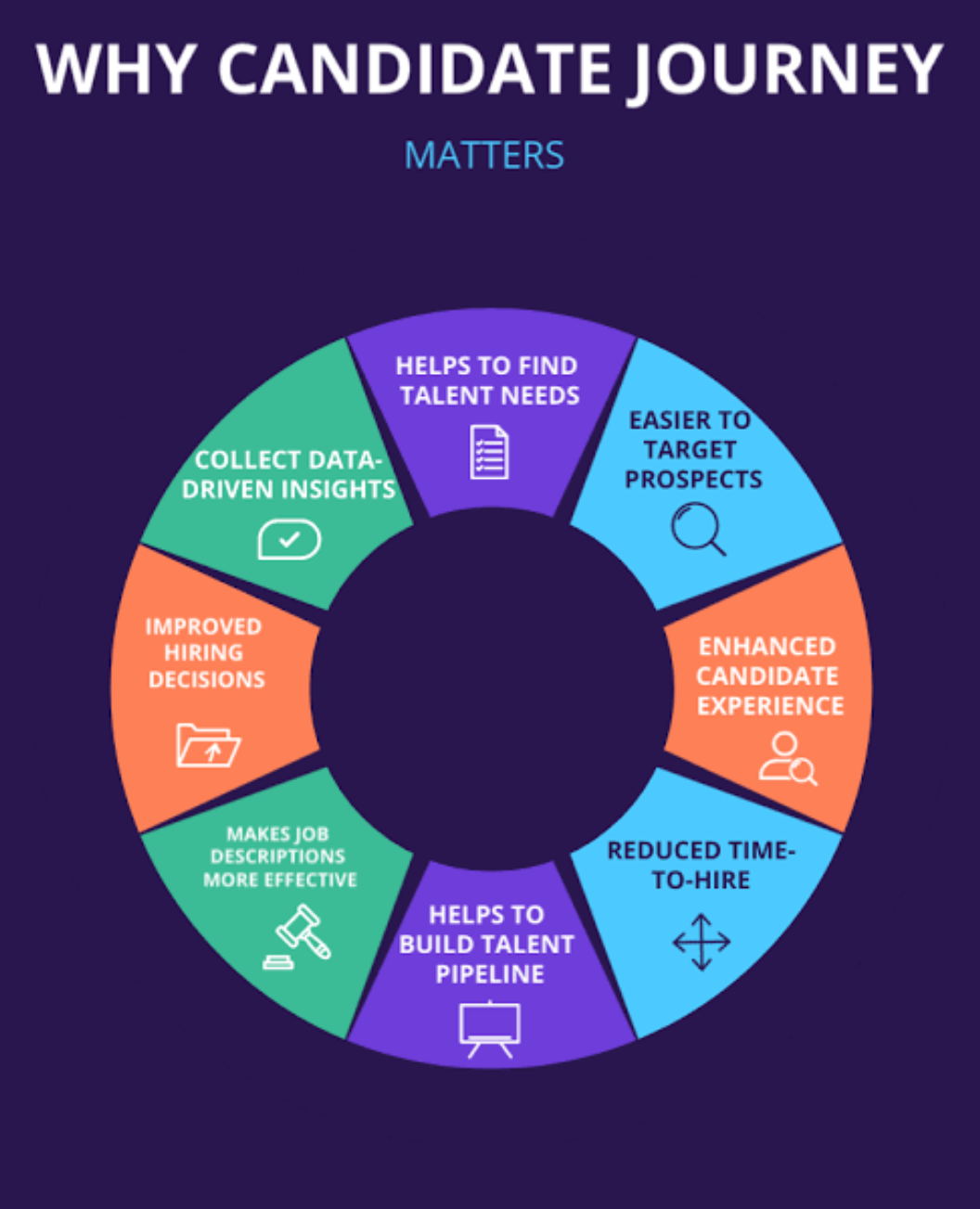
A positive candidate experience is now essential for attracting top talent and nurturing a company’s reputation. Recruiters who communicate proactively, offer timely feedback, and provide transparency at each stage of the hiring process help set candidates up for success—regardless of the outcome. Modern recruitment platforms, tailored messaging, and streamlined application processes all serve to reduce friction, keeping candidates informed and engaged throughout the process. This candidate-centric approach fosters trust, boosts employer branding, and ensures organizations consistently attract top-tier professionals.
Addressing Bias in Hiring
Recruiters are uniquely positioned to champion fairness and equity in the workplace. With new AI-powered recruitment platforms designed to identify and counteract unconscious hiring biases, the industry is making strides toward a more inclusive future. Solutions like skills-first platforms and anonymized assessments help minimize the impact of biases tied to education, gender, or background. By prioritizing merit and potential over pedigree, recruiters can facilitate workforce diversity—ultimately improving organizational innovation and performance.
Navigating the Global Talent Pool
Remote work and globalization have significantly expanded the hiring pool. Recruiters can now access talent from around the world, but must adapt to diverse legal, cultural, and logistical considerations. This global reach necessitates new evaluation strategies and a profound understanding of how to foster inclusive, distributed teams. Effective global recruiters leverage digital tools, cross-cultural training, and flexible interview techniques to secure the best-fit candidates, regardless of location.
The Future of Recruitment
The future of recruitment hinges on adaptability and a forward-thinking mindset. As hiring environments continually evolve, recruiters who embrace digital transformation, promote skills-based assessments, and uphold diversity will remain key to organizational resilience and success. Beyond employment facilitation, recruiters act as architects of meaningful career paths—empowering professionals to realize their full potential and helping businesses build world-class teams.
Recruiters’ expanding influence—driven by technology, inclusion, and a skills-first mentality—underscores the importance of strategic, people-focused hiring in shaping the organizations of tomorrow.
Conclusion
Recruiters today do far more than fill open positions—they help define the long-term direction of both careers and companies. As the profession continues to evolve through technology, global connectivity, and a renewed emphasis on human potential, recruiters remain central to building workplaces that are resilient, innovative, and inclusive. Their ability to blend data-driven insights with genuine interpersonal understanding will shape how organizations compete and how professionals discover meaningful roles in a rapidly changing world. Ultimately, the future of recruitment belongs to those who can strike a balance between strategy and empathy, ensuring that every hiring decision strengthens both the individual and the organization.