



Key Takeaways
- Trauma can trigger persistent hypervigilance and anxiety due to an overactive threat response system in the brain. This leads to increased sensitivity to potential threats, whether real or perceived.
- Standard memory processing may break down after trauma, leading to intrusive memories or flashbacks. These distressing symptoms often further reinforce anxiety and avoidance behaviors.
- The physical effects of trauma are often just as significant as the emotional, resulting in symptoms like fatigue, muscle tension, and digestive distress. These manifestations serve as a reminder that the body bears the impact of psychological events.
- Awareness of trauma’s manifestations is vital for healing and choosing appropriate coping strategies. Understanding how trauma influences thoughts, emotions, and the body can lead to more effective and compassionate care.
Traumatic experiences can leave lasting impressions that extend beyond memory, influencing how the brain processes information and how the body responds to everyday situations. When an individual is exposed to overwhelming stress, the nervous system may remain in a heightened state of alert, which can alter emotional regulation, concentration, and physical well-being. These changes are not signs of weakness but adaptive responses that once served a protective purpose, even if they later become disruptive.
Understanding the biological and psychological dimensions of trauma helps explain why its effects can surface long after an event has passed. Research in neuroscience and physiology continues to shed light on how stress hormones, neural pathways, and bodily systems interact under prolonged strain. General educational resources, including discussions found through platforms like https://newharborbh.com/, often explore these concepts to promote awareness of how deeply interconnected mental and physical health can be when shaped by adverse experiences, highlighting the importance of informed conversations around recovery and resilience.
The Brain’s Alarm System Goes into Overdrive
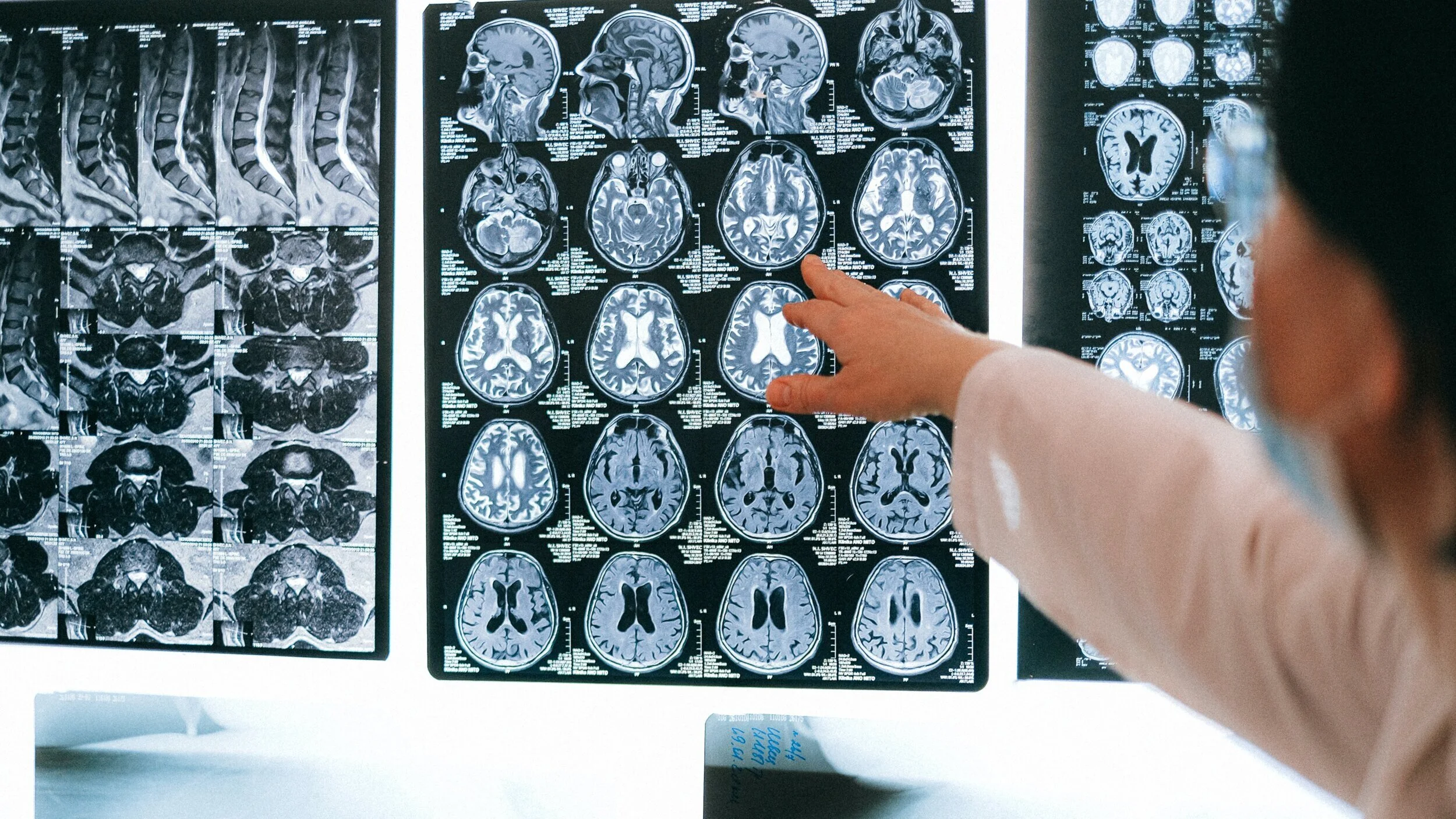
In the aftermath of trauma, the amygdala—the area of the brain that regulates fear and threat detection—can become hypersensitive. This region is responsible for signaling danger, and when overactive, it may cause a person to perceive threat everywhere, even where none exists. This causes the body to remain on “high alert” even in non-threatening environments, a hallmark of post-traumatic stress disorder (PTSD) and other trauma-related conditions. An individual might find it hard to concentrate at work or school and may avoid places or activities they once enjoyed due to perceived risks. This response serves as a protective mechanism but can quickly become maladaptive, leading to chronic stress, sleep disruption, irritability, and an inability to relax or feel safe in one’s own body. This constant state of hyperarousal drains emotional and cognitive resources, impacting overall quality of life.
Memory Processing Becomes Disrupted
Memory processing disruption is a significant effect of trauma, primarily affecting the hippocampus, which organizes and integrates memories. Following trauma, ongoing stress hormones can compromise this region, leading to the atypical logging of traumatic memories. Individuals may experience fragmented memories, resulting in unpredictable flashbacks and intrusive thoughts that blur the line between past and present. These episodes can manifest as vivid images, sounds, or sensations, hindering one’s ability to trust their thoughts and contributing to feelings of fear, shame, and a lack of control. As a consequence, individuals may develop avoidance and emotional numbing as protective strategies, which can further alienate them from their support networks.
Physical Manifestations of Trauma
Trauma can have significant physical effects on survivors, manifesting as chronic muscle tightness, headaches, low energy, and gastrointestinal issues. The link between psychological stress and physical health is supported by evidence that stress response activation can impair immune function and disrupt hormonal balance. This phenomenon, referred to as “somatic memory,” underscored by trauma expert Dr. Bessel van der Kolk, highlights how unresolved trauma may impact the body. Recognizing these symptoms is vital for healing, as they often intensify during emotional distress. Addressing trauma’s bodily effects through interventions like physical therapy and relaxation techniques, in addition to psychological support, is essential for recovery.
Understanding the Nervous System’s Response
Understanding the autonomic nervous system’s response reveals how trauma can lead to dysregulation, affecting both the sympathetic and parasympathetic branches of the nervous system. Heightened sympathetic activity can induce ‘fight or flight’ sensations. At the same time, overwhelming stress may cause individuals to feel numb or disconnected, illustrating a failure to return to normalcy after a threat has been resolved. Common physical symptoms include a racing heart, sweating, and shallow breathing. Recognizing these biological responses can help individuals perceive their symptoms as natural reactions rather than signs of weakness.
Rewiring the Brain’s Expectations
Trauma can cause lasting changes in the brain’s expectations, leading it to continuously look for danger and anticipate adverse outcomes, even when unnecessary. This survival-oriented mindset makes the world feel unsafe, resulting in avoidance, social withdrawal, and relationship difficulties as protective strategies. Although these behaviors provide temporary relief, they can also limit life experiences and lead to feelings of loneliness. Healing involves confronting these patterns, engaging in safe environments, and building positive associations through therapy, support, and self-care. This process helps rewire deeply ingrained expectations and promotes healthier relationships.
Pathways to Healing
Recovery from trauma is achievable through effective strategies and support. Evidence-based methods, such as mindfulness, CBT, and yoga, aid in calming the brain and body, thereby alleviating symptoms. Grounding exercises help reduce hyperarousal and dissociation, re-establishing feelings of safety and control. Support from friends, family, or therapists plays a vital role in recovery, helping to lessen shame and feelings of isolation. Healing is a gradual process that involves taking small, steady steps, being patient, and practicing self-kindness, as progress may be slow and setbacks are common.
Conclusion
The effects of trauma are strong, affecting how the brain processes information, how the body responds to stress, and how people interact with the world around them. Increased awareness and timely intervention can break the cycle, fostering resilience and helping individuals move toward a life that is not defined by past events, but by hope and healing. By integrating mental health care, physical wellness strategies, and robust support networks, those impacted by trauma can reclaim their sense of well-being and possibility, discovering strength and resilience they may not have realized they possessed.