



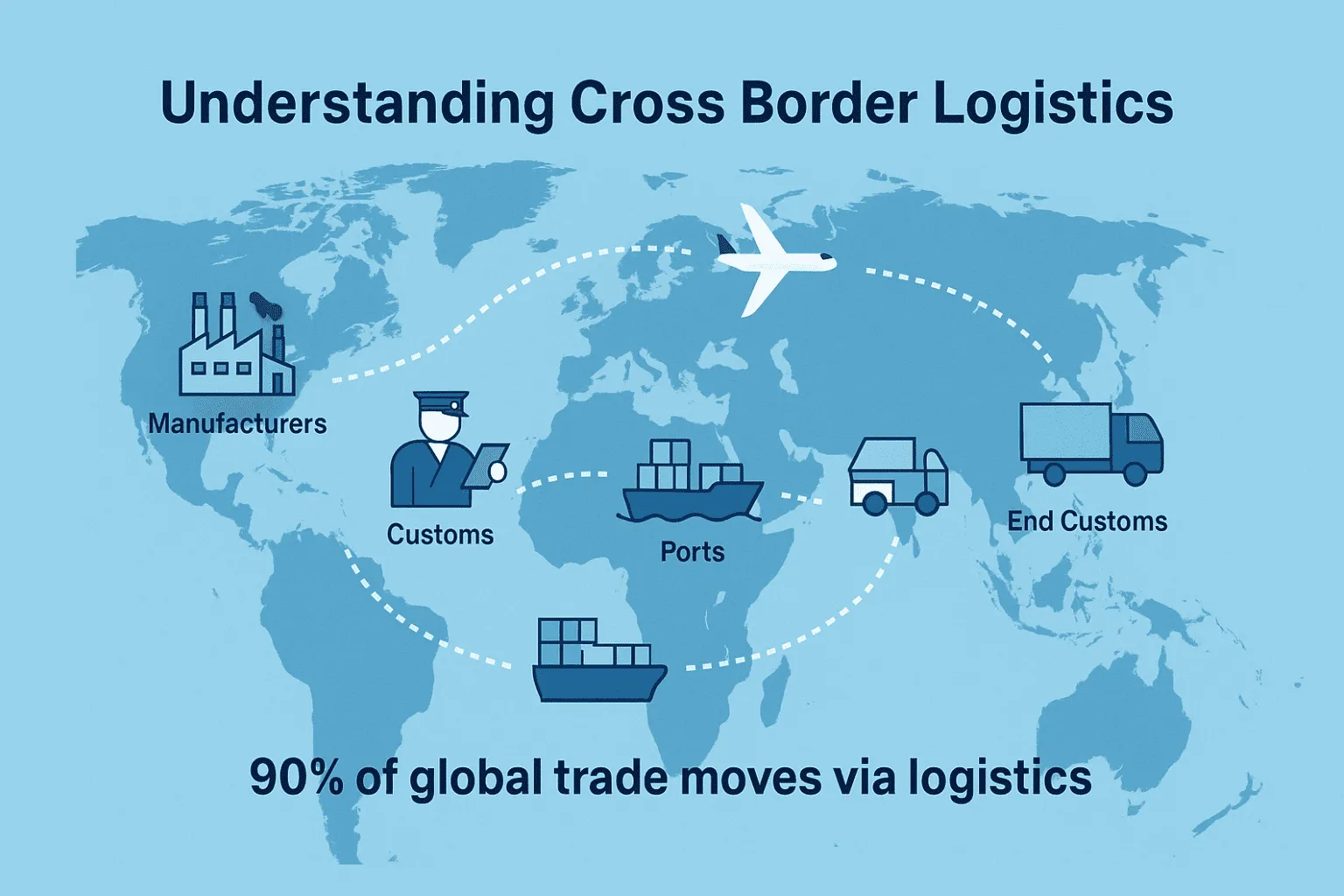
Moving goods across borders or relocating your entire household across state lines can feel overwhelming. Whether you’re a business owner expanding into Southeast Asian markets or a family planning a big interstate move, understanding your logistics options makes all the difference between a smooth transition and a stressful nightmare.
The logistics industry has transformed dramatically over the past decade. What once required extensive paperwork, countless phone calls, and crossed fingers now comes with digital tracking, streamlined processes, and cost-effective solutions you might not even know exist. Yet many people still overpay for services or run into preventable complications simply because they don’t know what questions to ask or which options to explore.
This guide breaks down everything you need to know about moving goods internationally and domestically. We’ll explore the documentation requirements for international shipping, uncover money-saving strategies for interstate moves, and share insider tips that professional movers wish more customers knew before starting their journey. Whether you’re shipping commercial inventory overseas or moving your family’s belongings across the country, you’ll find actionable advice that saves you time, money, and stress.
t
Understanding International Import Requirements
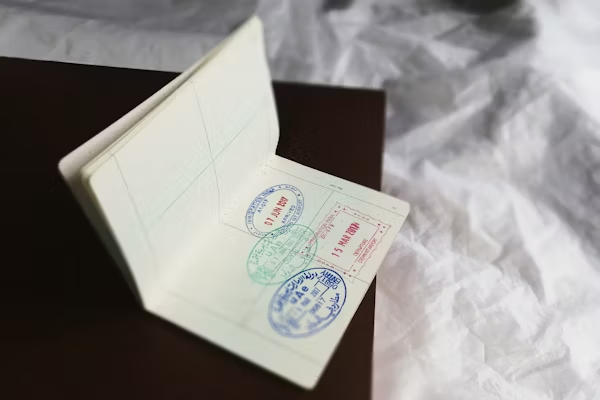
When you’re bringing goods into a new country, documentation isn’t just bureaucratic red tape—it’s your shield against delays, fines, and confiscated shipments. Every country maintains specific import regulations designed to protect its economy, security, and public health. Missing even one required document can halt your shipment at customs for weeks or result in unexpected storage fees that quickly add up.
The complexity of international imports varies significantly depending on what you’re shipping and where it’s going. Consumer electronics face different scrutiny than food products. Personal belongings have different pathways than commercial inventory. Understanding these distinctions before you ship prevents costly mistakes down the line.
Southeast Asian markets present particularly interesting opportunities for businesses looking to expand. The region’s growing middle class and increasing consumer spending make countries like Cambodia attractive destinations for international commerce. However, success in these markets requires proper preparation, especially when it comes to customs documentation and compliance with local import regulations.
Cambodia’s import process, for instance, requires careful attention to paperwork and local requirements. Businesses and individuals looking to bring goods into the country need to understand everything from commercial invoices to certificates of origin. Getting familiar with the specific documentation needed when you import in Cambodia ensures your shipment clears customs efficiently and reaches its destination without unnecessary complications. Having all the right paperwork prepared before your goods arrive at the port makes the entire process significantly smoother.

Essential Documentation for International Shipping
Beyond country-specific requirements, several universal documents form the backbone of international shipping. The commercial invoice serves as the primary document, detailing what you’re shipping, its value, and the terms of sale. This document must be accurate down to the last detail—customs officials use it to assess duties and taxes, and discrepancies can trigger inspections or delays.
The packing list complements your commercial invoice by providing a detailed breakdown of your shipment’s contents. While the invoice focuses on values and commercial terms, the packing list describes physical details: how many boxes, what’s in each one, dimensions, and weights. This information helps customs officials verify your shipment matches your declared contents without unpacking everything.
Certificates of origin prove where your goods were manufactured or produced. Many countries offer preferential duty rates for products from specific nations through trade agreements. A proper certificate of origin might be the difference between paying 15% duties and paying 5%—or none at all. These certificates require careful preparation and often need official stamps from chambers of commerce or government authorities.
Don’t overlook insurance documentation either. While not always mandatory for customs clearance, comprehensive insurance protects your financial investment. International shipping involves multiple handoffs, various transportation modes, and potential exposure to weather and handling damage. The relatively small cost of proper insurance coverage pales in comparison to the total loss of an uninsured shipment.
The Smart Way to Handle Interstate Moves
Shifting gears from international logistics to domestic moves, relocating within your own country presents a completely different set of challenges and opportunities. Interstate moves in countries like Australia or the United States often involve distances comparable to international journeys but without the customs complications. However, don’t mistake “simpler” for “simple”—domestic moves still require careful planning and smart decision-making.
The traditional approach to interstate moving involves booking a dedicated truck that loads your belongings, drives directly to your new home, and unloads everything. This door-to-door service offers convenience and speed but comes with premium pricing. For many families, especially those with flexible timelines, alternative moving methods can cut costs substantially without sacrificing quality.
Timing plays a crucial role in moving costs. Peak moving season—typically summer months when school is out—sees premium rates as demand surges. Moving companies charge more during weekends, month-ends, and holidays when everyone else is moving too. If you have flexibility in your schedule, choosing off-peak times can save you 20-30% on moving costs while often receiving better service since companies aren’t stretched thin.
Understanding different moving options helps you make informed decisions. Full-service moves handle everything from packing to unpacking. Self-pack moves save money by having you handle the packing while movers handle the heavy lifting and transportation. Then there’s backloading—a lesser-known option that savvy movers use to slash their costs significantly.
Maximizing Your Moving Budget
Whether you’re moving internationally or domestically, every dollar saved on logistics can be invested in settling into your new location. The key is understanding where to optimize without cutting corners that might cost you later.
Start by decluttering aggressively. Moving costs typically calculate based on volume or weight, so every item you don’t move saves money. That old couch you’ve been meaning to replace? Sell it before you move and buy new at your destination. Those boxes of books you haven’t opened in years? Donate them or digitize what you can. Professional organizers suggest that most families can eliminate 30-40% of their belongings before a move without missing any of it.
Compare quotes from multiple providers, but look beyond the bottom-line price. The cheapest quote might exclude important services like insurance, packing materials, or fuel surcharges. A slightly higher quote from a reputable company with proper licensing and insurance often represents better value than the rock-bottom option from an unknown operator. Check reviews, verify credentials, and ask about what’s included in the quoted price.
Consider hybrid approaches that combine different services. You might handle local packing yourself but hire professionals for specialty items like pianos or artwork. You could use backloading for most furniture while shipping valuable or fragile items through specialized carriers. Mixing and matching services based on your specific needs often yields better results than one-size-fits-all packages.

Avoiding Common Logistics Pitfalls
Experience teaches hard lessons, but learning from others’ mistakes costs nothing. The most expensive moving and shipping errors are usually preventable with proper planning and awareness.
Insurance remains the most commonly overlooked protection. Basic carrier liability covers pennies per pound—nowhere near enough to replace your belongings at actual value. Whether you’re shipping products internationally or moving your household interstate, comprehensive insurance coverage costs a fraction of replacing everything if disaster strikes. Read policies carefully to understand what’s covered, what’s excluded, and how claims work.
Documentation errors cause more delays than any other factor in international shipping. A typo in a harmonized system code can misclassify your goods, triggering incorrect duty rates or regulatory reviews. Inconsistent information between different documents raises red flags for customs officials. Triple-check every document before submission, and consider working with customs brokers for complex shipments—their expertise often pays for itself in avoided problems.
For interstate moves, booking too late forces you into whatever capacity remains available, often at premium prices with less reliable providers. Book major moves at least 4-6 weeks in advance, or even earlier during peak season. This gives you time to properly research companies, compare quotes, and schedule your preferred dates rather than settling for whatever’s left.
Underestimating time requirements creates cascading problems. International shipments can take weeks even when everything goes smoothly—factor in extra time for potential delays. Interstate moves that seem simple on paper often take longer than expected once you account for packing, loading, transit, unloading, and unpacking. Build buffer time into your plans so delays become minor inconveniences rather than crises.
Technology and Modern Logistics
Today’s logistics industry operates light-years ahead of the system your parents dealt with. GPS tracking lets you monitor your shipment in real-time rather than wondering if it’s in Brisbane or still sitting in Sydney. Digital documentation reduces paperwork errors and speeds customs processing. Online platforms connect you directly with moving companies, enabling instant quotes and booking without endless phone tag.
Mobile apps from major shipping providers offer remarkable transparency. You can upload customs documents from your phone, receive notifications when your shipment clears each checkpoint, and access support when issues arise. This transparency doesn’t just provide peace of mind—it enables proactive problem-solving. If you see your shipment delayed at customs, you can immediately contact your broker to resolve documentation issues rather than discovering problems after days of delay.
For interstate moves, online marketplaces have revolutionized finding moving services. Instead of calling dozens of companies individually, you submit one form and receive multiple competitive quotes. Review systems help you avoid problematic providers, while transparent pricing prevents surprise charges. The catch is doing your due diligence—verify that online quotes include everything you need and that companies maintain proper licensing and insurance.
Automation handles routine logistics tasks that once required significant human effort. Customs clearance software flags potential documentation issues before submission. Routing algorithms optimize delivery schedules to reduce transit times. Automated warehousing systems track inventory with greater accuracy than manual methods. These technologies reduce costs while improving reliability—benefits that eventually reach customers through better pricing and service.
Planning Your Logistics Timeline
Success in moving and shipping often comes down to realistic timeline planning. Rushing creates mistakes; excessive caution wastes money on unnecessary storage or premium rush services. The sweet spot requires understanding typical timeframes and building in appropriate buffers.
For international imports, start your planning at least 8-12 weeks before you need goods delivered. This allows time to research import requirements, prepare documentation, manufacture or source products if needed, arrange shipping, and handle customs clearance. Factor in that different countries clear shipments at different speeds—some processes take days while others take weeks.
Ocean freight takes longer than air freight but costs significantly less. A shipment from China to Australia might take 3-4 weeks by sea versus 3-4 days by air, but air freight can cost five to ten times more. For non-urgent shipments, the time tradeoff makes sense. For time-sensitive goods or seasonal inventory, air freight’s premium might be justified. Calculate the full cost including storage and opportunity costs when comparing options.
Interstate moves allow shorter planning horizons but still benefit from advance preparation. For straightforward moves, 4-6 weeks gives enough time to get competitive quotes, schedule preferred dates, and handle packing methodically. Complex moves involving large homes, specialty items, or challenging access might need 8-10 weeks. Last-minute moves are possible but expect limited availability and premium pricing.
Build flexibility into your timeline when possible. If your interstate move can happen anytime within a two-week window rather than requiring a specific date, you’ll access better rates and more options. For imports, ordering inventory with longer lead times lets you use cheaper shipping methods and avoid the desperation premiums that come with rush orders.
Settling In and Exploring Your New Location
After the logistics are complete and you’ve successfully relocated—whether internationally or interstate—the real adventure begins. Many people are so exhausted from the moving process that they forget to actually enjoy their new location. Yet one of the best ways to ease the transition and feel at home quickly is to start exploring and creating positive experiences in your new environment.
For those who’ve relocated to coastal areas or regions with easy access to ports, considering a relaxing getaway can provide the perfect counterbalance to moving stress. Australia’s stunning coastline offers incredible opportunities to unwind and see the country from a completely different perspective. After weeks of packing boxes and coordinating logistics, treating yourself to a well-planned vacation helps you decompress while discovering your new region.
Working with experienced cruise ship travel agents can take the planning stress off your plate and ensure you experience the best your new area has to offer. These professionals know which itineraries showcase the most spectacular coastal scenery, which departure ports are most convenient, and how to secure the best value for your budget. Whether you’re interested in exploring the Great Barrier Reef, cruising through the Pacific Islands, or discovering hidden coastal gems, expert guidance helps you make the most of your post-move celebration.
This approach to settling in—actively exploring rather than just surviving—transforms relocation from a stressful obligation into an exciting new chapter. You’ve handled the hard part of actually moving. Now comes the reward: discovering everything your new location has to offer.

Making Your Final Decision
Armed with information about international importing and domestic moving options, you can approach your logistics needs strategically rather than reactively. The difference between a smooth move and a stressful disaster often comes down to preparation, research, and asking the right questions upfront.
Start by defining your priorities clearly. Is speed most important, or is budget your primary concern? Do you need white-glove service or are you comfortable with a more hands-on approach? Your answers should guide every decision from which services to book to how much insurance coverage to purchase. There’s no universally “best” option—only the best option for your specific situation.
Don’t hesitate to ask providers detailed questions about their services, experience, and track record. Legitimate companies welcome questions and provide clear answers. Red flags include vague responses, reluctance to provide references, or pressure to decide immediately without time to consider options. Trust your instincts—if something feels off about a provider, it probably is.
Remember that the cheapest option rarely proves to be the best value. Factor in reliability, insurance, customer service, and peace of mind when comparing providers. The money saved with a bargain provider disappears quickly if your goods arrive damaged, delayed, or not at all. Investing slightly more in a reputable provider typically returns that investment through reliable service and fewer headaches.
Whether you’re navigating international customs requirements or coordinating an interstate move, taking time to understand your options and plan properly pays dividends. The logistics industry offers more choices than ever before, from traditional premium services to innovative cost-saving alternatives. By matching the right service to your specific needs, you transform what could be a stressful experience into a manageable, even straightforward, process. Your journey—whether across oceans or across state lines—starts with making informed decisions that align your logistics strategy with your goals and budget.