




PHOTO LINK:
Great products don’t happen by accident.
They emerge from a clear, analytical, and well-structured UX strategy. Something that guides teams toward creating meaningful customer experiences while supporting key business objectives.
If you want to succeed, your company must look beyond aesthetics or isolated usability improvements. What truly drives results is the capacity to connect design decisions with broader organizational goals — a direction that well-defined UX design strategies can provide.
Why does UX strategy matter in modern product development?
Digital products are becoming more complex, and user expectations are constantly rising. Without a cohesive UX strategy, teams often find themselves reacting to issues instead of preventing them.
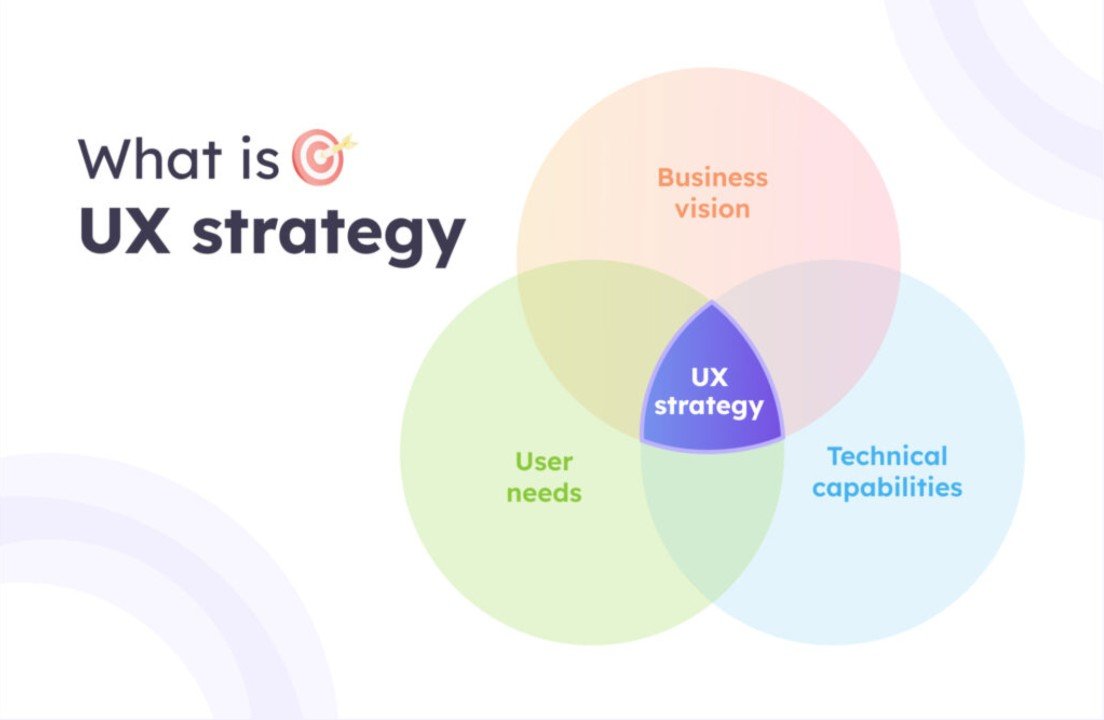
A strategy-driven approach ensures that design is aligned with business objectives, user needs, and market conditions from the very beginning.
Here’s why a structured UX design strategy is essential:
1. It provides clarity and direction
A well-defined strategy gives all teams — design, product, engineering, marketing, sales — a shared understanding of what matters most. Instead of debating features or design preferences, teams make decisions based on strategy, alignment, and validated insights.
2. It reduces design and development waste
One of the biggest challenges companies face is building features that users don’t actually need. UX strategies help prioritize the right initiatives by grounding decisions in data and user behavior. This prevents unnecessary work and can dramatically reduce costs.
3. It ensures consistency across the entire product ecosystem
Whether you’re building a mobile app, a website, or a multi-platform digital service, a strong UX strategy helps maintain consistent patterns, tone, and workflows. Consistency builds trust. And trust builds loyalty.
How can UX design strategies directly support business goals?
A detailed UX design strategy connects user needs with organizational priorities. When companies stop designing in isolation and instead think strategically, the benefits quickly become measurable. When executed effectively, user experience becomes a driver of business value instead of “just an optional enhancement”. This is how your business can benefit from a professional UX strategy.
1) Improved conversions and revenue growth
Strategically designed user flows reduce friction and guide customers toward completing key actions. This could mean more purchases, more sign-ups, or higher engagement.
2) Stronger customer retention and loyalty
Retention is often more valuable than acquisition. With effective UX design strategies, teams can identify and eliminate pain points that cause users to drop off. This leads to smoother experiences and long-term engagement.
3) Reduced customer support workload
If users understand how to navigate a product without confusion, the result is fewer support tickets. A smart UX strategy improves clarity, which directly decreases operational costs.
4) Enhanced brand perception and trust
Companies that consistently deliver intuitive, user-centered experiences appear more professional, reliable, and modern. This strengthens their market position.
What makes an effective UX strategy framework?
A reliable UX strategy involves multiple layers of planning, research, and measurement. The most successful frameworks share several key elements:
1. User research and data analysis
A strategy begins with understanding your audience. Interviews, surveys, analytics, heatmaps, usability tests, and competitive analysis help uncover motivations, expectations, behaviors, and pain points. These insights form the foundation of all UX strategies.
2. Clear value proposition and product positioning
The best products are built for specific users with specific needs. A coherent strategy defines the product’s value, clarifies its differentiation in the market, and ensures design supports this value at every step.
3. Business-aligned KPIs
UX is NOT guesswork. Strong UX design strategies define measurable success indicators such as:
- activation rates
- task success rates
- onboarding completion
- reduced time-to-value
- customer satisfaction (CSAT)
- retention metrics
This ensures that teams track design impact with precision.
4. Roadmaps and prioritized initiatives
A strategic roadmap helps teams focus on the improvements that will make the biggest difference. With a proper UX design strategy, initiatives are ranked based on business value, user benefit, and effort.
Implementing UX strategies: best practices for long-term impact
To integrate UX strategies effectively, companies require both structure and flexibility. These best practices help build a sustainable UX culture:
- Cross-functional collaboration ensures every department understands and contributes to the strategy.
- Continuous testing validates ideas early and prevents costly redesigns.
- Iterative improvements allow teams to refine user experiences based on real feedback.
- Transparent documentation ensures insights and decisions are accessible and actionable for all stakeholders.
- Regular strategy reviews help teams adapt to market changes and evolving user needs.
Conclusion: Why UX strategy is essential for measurable business success
In a world where users have endless digital choices, your business must invest in more than attractive interfaces. You need a comprehensive UX strategy that aligns user expectations with market opportunities and long-term goals. This allows you to build experiences that are intuitive, valuable, and strategically aligned with the outcomes that matter most.
Whether the goal is to increase conversions, reduce customer churn, expand to new markets, or strengthen brand trust, a strong UX design strategy ensures that experiences are built intentionally — not by guesswork.