



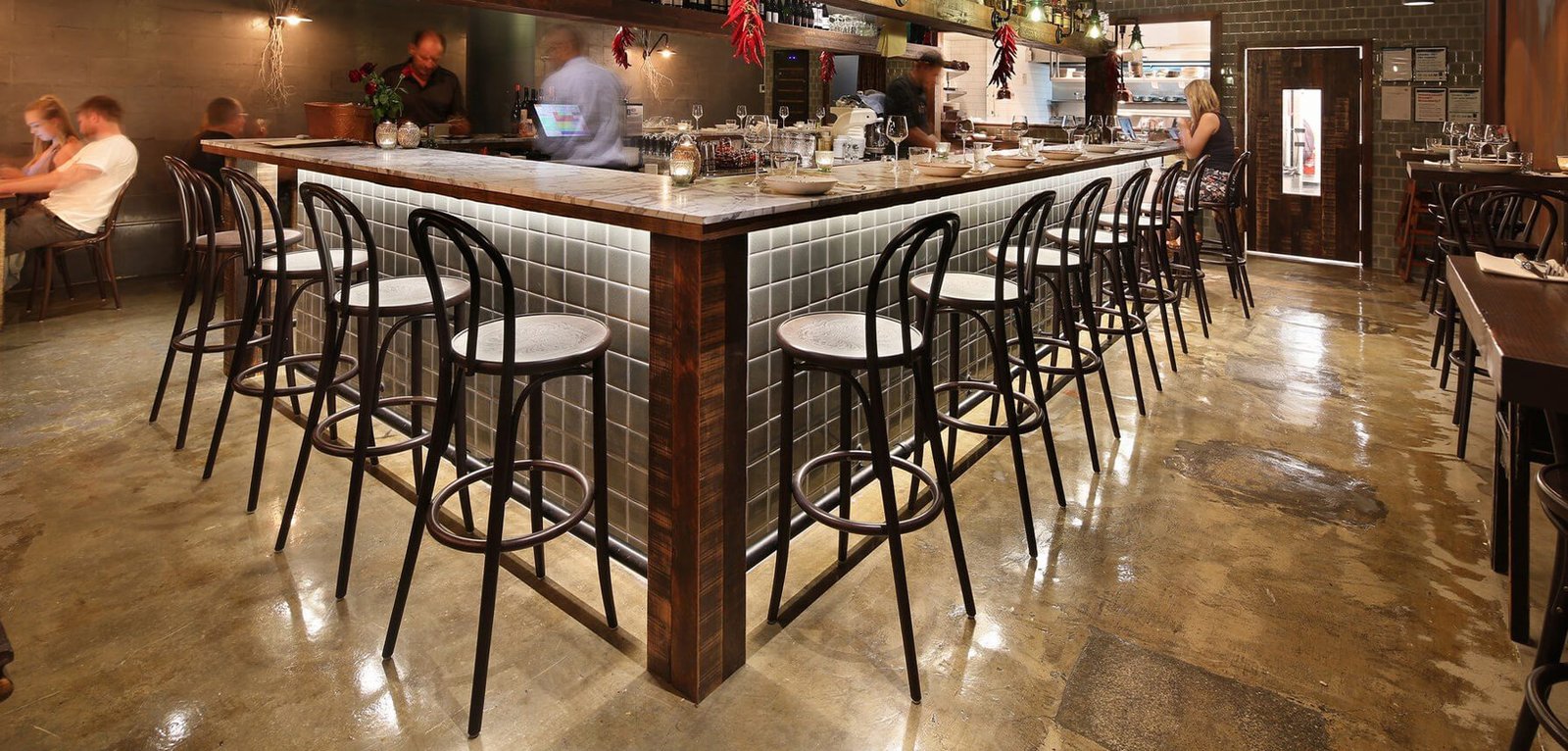
Choosing the Correct Height for Restaurant Bar Stools
Selecting the correct height is one of the most important considerations when buying restaurant bar stools. The wrong height can cause discomfort, disrupt table flow, and negatively impact the dining experience. Bar-height stools typically range from 28 to 32 inches and are ideal for standard bar counters, while counter-height stools are usually 24 to 27 inches and work well with high-top tables. Measuring the distance between the floor and the counter ensures proper legroom and comfortable seating. Adequate spacing between stools is also essential to prevent overcrowding and allow easy movement for both guests and staff. Properly sized restaurant bar stools improve posture, accessibility, and overall comfort. When stools are correctly matched to counter height, customers feel more relaxed, which encourages longer stays and enhances satisfaction throughout their visit.
Material Options and Build Quality of Restaurant Bar Stools
The materials and construction of restaurant bar stools directly influence durability, maintenance, and appearance. Common materials include wood, metal, and upholstered components, each offering unique advantages. Wooden stools provide warmth and classic appeal, while metal stools deliver modern style and superior strength. Upholstered seats add comfort and sophistication, especially in upscale dining spaces. Build quality is equally important, as commercial environments demand reinforced frames, secure joints, and high-quality finishes. Poorly constructed stools may wobble, wear quickly, or require frequent replacement. Commercial-grade restaurant bar stools are designed to withstand constant use and repeated cleaning without losing stability. Choosing the right combination of materials and solid construction ensures your seating remains reliable, safe, and visually appealing over time, making it a smart long-term investment for any restaurant.
Comfort and Ergonomics in Restaurant Bar Stools
Comfort is a key factor that should never be overlooked when selecting restaurant bar stools. Guests who feel uncomfortable are less likely to stay long or return. Ergonomic features such as contoured seats, supportive backs, and properly positioned footrests greatly enhance comfort. These elements help maintain proper posture and reduce strain, especially during longer dining or social experiences. Padded or upholstered restaurant bar stools provide additional comfort, making them ideal for lounges, bars, and fine-dining establishments. Even in casual settings, thoughtfully designed seating improves guest satisfaction. Comfortable stools also accommodate a wider range of customers, ensuring inclusivity. By prioritizing ergonomics and comfort, restaurant owners create a welcoming environment that encourages guests to relax, enjoy their experience, and spend more time at the bar or counter.
Durability Factors for Commercial Restaurant Bar Stools
Durability is essential when choosing restaurant bar stools for commercial use. Restaurants experience constant foot traffic, frequent seating changes, and daily cleaning, all of which can take a toll on furniture. Commercial-grade bar stools are built with reinforced frames, heavy-duty materials, and wear-resistant finishes to withstand these demands. Features such as strong joints, impact-resistant legs, and sturdy footrests contribute to long-term performance. Durable restaurant bar stools also maintain their appearance over time, resisting scratches, stains, and fading. Investing in durable seating reduces replacement costs and minimizes disruptions caused by repairs. For high-traffic environments, durability ensures safety, consistency, and reliability. Choosing restaurant bar stools designed specifically for commercial durability protects your investment and supports smooth daily operations.
Matching Restaurant Bar Stools with Your Interior Design
The design of restaurant bar stools plays a significant role in shaping the overall ambiance of your space. Stools should complement your interior theme, whether it is rustic, industrial, modern, or classic. Wood finishes add warmth, metal frames create a contemporary feel, and upholstered stools introduce elegance and comfort. Color selection is also important, as it can reinforce branding and influence customer perception. Coordinating stool design with flooring, lighting, and décor creates a cohesive and visually appealing environment. Well-matched restaurant bar stools enhance the aesthetic value of your restaurant and contribute to a memorable dining experience. When seating aligns with your design vision, it communicates professionalism and attention to detail, helping your restaurant stand out in a competitive market.
Maintenance and Long-Term Value of Restaurant Bar Stools
Maintenance requirements and long-term value are important factors when purchasing restaurant bar stools. Easy-to-clean materials such as metal, sealed wood, and commercial-grade upholstery save time and labor for staff. Low-maintenance stools help maintain hygiene standards and keep the dining area looking polished throughout the day. Long-term value comes from durability, comfort, and consistent performance over time. While higher-quality restaurant bar stools may have a greater upfront cost, they often last longer and require fewer repairs or replacements. This reduces overall expenses and improves return on investment. Choosing stools that balance durability with easy upkeep ensures your seating remains attractive and functional. Thoughtful selection of restaurant bar stools supports efficient operations and long-term cost savings.
Conclusion
Choosing the right restaurant bar stools requires careful consideration of height, materials, comfort, durability, design, and maintenance. Each factor plays a vital role in creating a seating experience that supports customer satisfaction and smooth restaurant operations. Properly sized and ergonomic stools enhance comfort, while durable materials ensure long-lasting performance in high-traffic environments. Matching bar stools with your interior design strengthens brand identity and creates a cohesive atmosphere. Additionally, low-maintenance seating saves time and reduces long-term costs. Investing in high-quality restaurant bar stools is not just about aesthetics—it is about functionality, safety, and long-term value. By making informed decisions, restaurant owners can create inviting spaces that encourage guests to stay longer, return often, and enjoy a consistently comfortable dining experience.