



Introduction
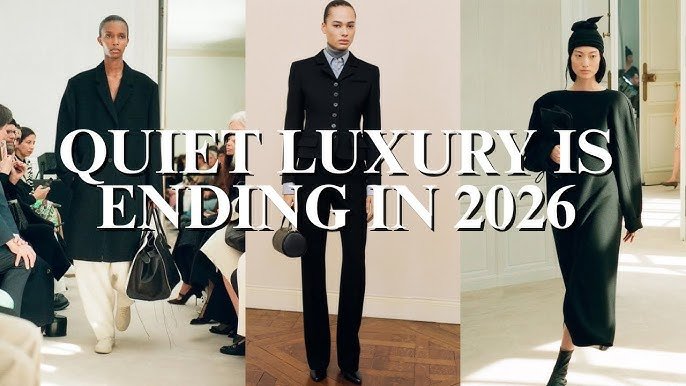
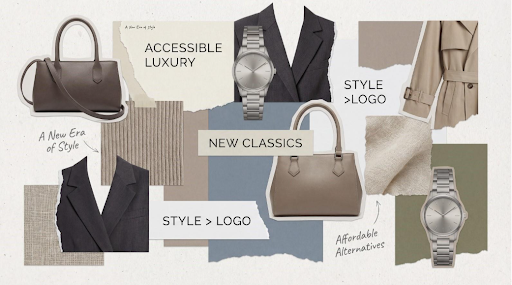
Luxury fashion is quietly entering a new chapter. While designer labels still influence trends and seasonal collections, the way people engage with high-end style is changing. Shoppers are becoming more thoughtful about how their clothing and accessories fit into everyday life rather than focusing only on prestige or exclusivity. This shift is opening the door for designer dupes and luxury alternatives to become natural parts of modern wardrobes.
Instead of chasing limited releases or waiting lists, many people are choosing items that offer comfort, durability, and versatility. They want pieces that work across busy schedules, social settings, and travel needs. As a result, everyday style is becoming more personal, practical, and flexible, reflecting real lifestyles rather than idealized fashion moments.
Style Is Becoming More About Use Than Labels
For years, luxury meant rarity and prestige. But modern shoppers are prioritizing function alongside appearance. People want accessories that feel comfortable, last longer, and work with daily life rather than only special occasions. A well-structured bag, reliable stitching, and thoughtful interior design often matter more than a brand name printed on a tag, which is why interest in designer dupes continues to grow among shoppers who want refined style without unnecessary barriers.
Social media has played a role in this change. Outfits are shared, reviewed, and discussed openly, helping normalize thoughtful styling choices that focus on balance and comfort rather than price alone. Style is becoming more personal, flexible, and practical.
Designer-Inspired Handbags in Daily Wear
Designer-inspired handbags have moved well beyond being considered occasional accessories. Today, they are being chosen as everyday essentials that fit naturally into work routines, social plans, and travel schedules. Many people rely on them for daily commuting, office use, and weekend activities because of their structured designs, balanced proportions, and practical interior layouts.
Buyers often look closely at how a bag holds its shape throughout the day, how comfortable the handles feel on the shoulder or in hand, and how secure the closures remain with regular use. Pockets, compartments, and interior linings are also carefully considered, especially for people who carry electronics, documents, and personal items.
The appeal of these handbags lies in their ability to offer clean, classic silhouettes that pair easily with both casual and formal outfits. Rather than being reserved for special occasions, they are becoming part of everyday wardrobes, supporting a lifestyle where style, comfort, and practicality are expected to work together.
The Same Shift Is Happening With Watches
A similar pattern is appearing in the timepiece market. Alongside established luxury watches, many buyers are exploring mechanical and automatic alternatives that offer solid performance and comfortable wear. People pay attention to bracelet smoothness, clasp strength, and movement reliability.
Instead of collecting watches only for display, wearers are choosing pieces they feel comfortable wearing every day. For many, these alternatives feel practical, dependable, and well-suited to daily life.
Why More People Are Choosing Alternatives
Several changes are influencing this trend:
- Rising prices have made many luxury items less accessible
- Limited availability creates long waiting periods
- Shoppers now research materials and construction more carefully
- Personal comfort and usability matter more than brand recognition
Together, these factors are shifting how people define value in fashion.
How Buyers Evaluate Quality Today
Modern shoppers focus on details that directly affect everyday use. For handbags, they examine stitching, structure, interior layout, and hardware weight. A bag must feel sturdy and balanced in the hand, and many buyers also compare dupe quality grades to better understand differences in materials, finish, and overall durability. These expectations are shaping demand for everyday luxury bag alternatives that combine structure and long-term usability.
For watches, comfort on the wrist, clasp reliability, and movement consistency are key considerations. Buyers expect these pieces to function as dependable accessories, not just display items.
What This Shift Means for Fashion
The growing acceptance of designer-inspired pieces reflects a larger transformation within the fashion industry. For decades, luxury was closely tied to exclusivity — limited access, high prices, and scarcity were treated as signals of value. Today, that definition is being reshaped by a more informed and lifestyle-driven audience.
Modern shoppers are no longer satisfied with items that look appealing but remain impractical for everyday use. Comfort, durability, and versatility are now essential parts of style decisions. Accessories are expected to transition smoothly between work, travel, and social settings without feeling delicate or restrictive. This expectation has encouraged designers and manufacturers across the market to pay closer attention to structure, usability, and long-term wear.
As a result, fashion is becoming more inclusive and function-focused. Instead of building wardrobes around rare statement pieces, people are investing in fewer, better-fitting items that support their routines and personal expression. The shift signals a future where confidence, comfort, and thoughtful design define modern luxury more than exclusivity alone.
Conclusion
As 2026 approaches, designer dupes and luxury alternatives are no longer viewed as shortcuts or temporary substitutes. They have become thoughtful, intentional choices for people who want refined style that fits real life. Shoppers today are more informed, more selective, and more aware of how materials, structure, and comfort affect long-term use. This awareness has reshaped how wardrobes are built and how value is measured.
Instead of chasing scarcity or labels, many people are choosing pieces that feel dependable, comfortable, and versatile enough for daily routines. Clean design, balanced construction, and practical function now define everyday luxury. These changes signal a broader shift in fashion culture — one that places confidence, usability, and personal expression ahead of exclusivity.
Designer-inspired fashion is becoming a foundation for modern style rather than an exception. As lifestyles continue to evolve, this approach offers people greater freedom to build wardrobes that reflect who they are, how they live, and what truly feels worth investing in.