


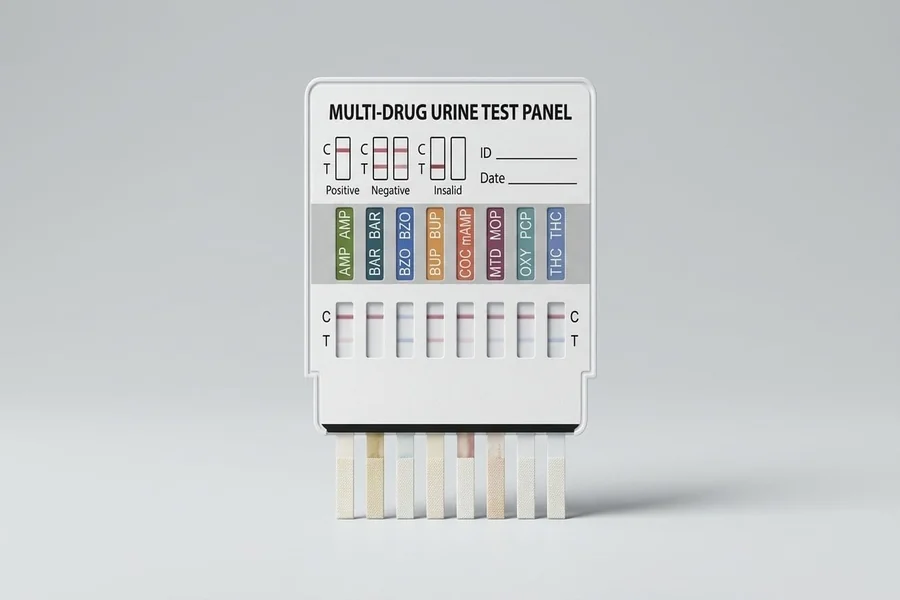
The standard for workplace drug testing has shifted dramatically over the last decade. What was once a five-panel screen covering the most common substances of abuse has expanded in response to changes in the drug supply, evolving regulatory guidance, and a growing recognition that partial screening leaves meaningful risks undetected.
The 16-panel drug test cup represents the current high-water mark for comprehensive urine-based multi-substance screening. Understanding who uses this configuration, what it detects, and why the additional panels justify the marginal cost difference over smaller panel counts helps organizations make better procurement decisions.
What 16 Panels Cover
A standard 16-panel configuration tests for a wide range of controlled and illicit substances in a single urine specimen. Common inclusions across 16-panel formats include THC (cannabis), cocaine, amphetamines, methamphetamine, opiates, oxycodone, hydrocodone, benzodiazepines, barbiturates, methadone, buprenorphine, fentanyl, tramadol, MDMA, propoxyphene, and ETG/alcohol. Specific configurations vary by manufacturer and intended regulatory context, so verifying the exact analyte list before purchasing is important.
The addition of fentanyl as a dedicated panel reflects the changed landscape of illicit drug contamination. Workers who use other substances may unknowingly consume fentanyl due to contamination in the illicit supply. A test that does not include fentanyl detection will not identify this exposure.
Drug Test Cups in the 16-panel format from 12 Panel Now are designed for on-site use without laboratory equipment, with results readable within minutes of collection. The cups are CLIA-waived and suitable for use in occupational health settings, HR departments, and clinical environments.
Industries With the Strongest Demand for 16-Panel Testing
Transportation and logistics organizations subject to Department of Transportation testing requirements maintain mandatory drug testing programs that have historically used five-panel configurations. However, many DOT-regulated employers are augmenting mandatory testing with broader non-DOT panels for positions outside the regulated category, particularly where fentanyl exposure is a safety concern.
Construction represents one of the highest-risk environments for substance-related incidents. Falls, heavy equipment operation, and work at height all carry greater consequences when judgment, coordination, or reaction time are impaired. Contractors and project owners increasingly require comprehensive baseline screening as a condition of site access.
Healthcare is another significant segment. Hospitals, long-term care facilities, and outpatient clinics screen candidates and existing employees with comprehensive panels partly to ensure patient safety and partly to comply with Joint Commission and state licensing requirements.
Substance abuse treatment programs use multi-panel cups extensively for monitoring program participants, where detecting a wide range of substances and alcohol simultaneously provides a more accurate picture of compliance with recovery protocols.
The Economics of Multi-Panel Testing
The cost difference between a 12-panel and 16-panel cup is generally modest at the per-unit level, particularly when purchasing in volume. The additional panels detect substances that are genuinely present in current drug use patterns, and a single undetected positive result that leads to a workplace incident carries costs that far exceed the marginal per-test investment in a more comprehensive panel configuration.
Organizations that conduct high-volume testing benefit from direct supplier purchasing, which eliminates distributor markups and typically provides access to volume pricing tiers. Promotional pricing offered during limited sale periods can reduce annual testing budgets meaningfully for programs that run several hundred or more tests per year.
Frequently Asked Questions
What substances are unique to 16-panel vs 12-panel drug test cups? Configurations vary, but 16-panel tests typically add panels for substances such as tramadol, hydrocodone, propoxyphene, or additional specific opioid or benzodiazepine variants not covered in a 12-panel format. The exact analyte list should always be verified for the specific product being purchased.
Are 16-panel cups CLIA-waived? Quality 16-panel cups from compliant manufacturers are CLIA-waived, meaning they can be used in non-laboratory settings including on-site employer facilities and occupational health clinics without laboratory certification requirements.
How long are drug metabolites detectable in urine? Detection windows vary significantly by substance and individual metabolism. THC metabolites from heavy use can be detectable for up to 30 days. Fentanyl is typically detectable for 24 to 72 hours. Cocaine metabolites are usually detectable for two to four days. Alcohol via ETG testing is detectable for up to 80 hours.
Can I use 16-panel cups for DOT-regulated testing? DOT testing programs have specific requirements regarding testing methodology and reporting. Standard urine drug test cups are generally used for initial screening in DOT contexts, with confirmatory lab testing required for positive results. Confirming DOT compliance with the specific cup you purchase is recommended if DOT compliance is required.
What is the shelf life of multi-panel drug test cups? Most multi-panel drug test cups have an 18 to 24 month shelf life from the date of manufacture when stored in appropriate conditions (typically controlled room temperature away from excessive heat and humidity). Shelf life information appears on the product packaging.