


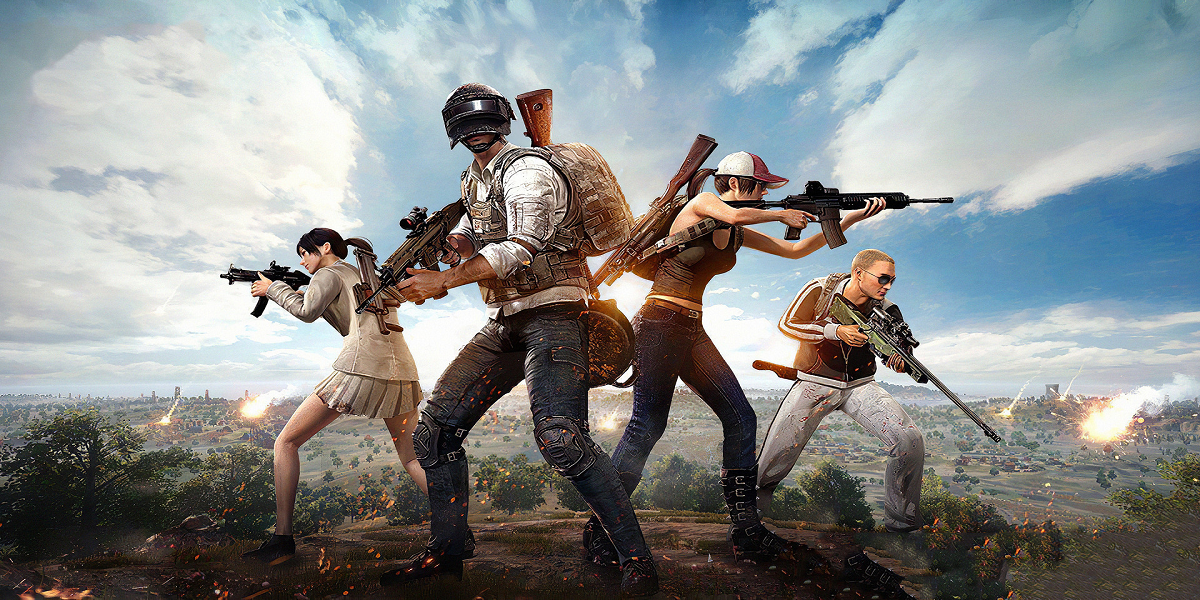
India’s competitive gaming scene does not run on a single format. Three titles dominate right now – Battlegrounds Mobile India, Valorant, and Counter-Strike 2 -and each of them works differently at almost every level: how tournaments are structured, how fans follow the action, how teams qualify, what a bad week actually costs a team. Understanding those differences matters whether you are a player trying to go pro, a viewer deciding which stream to open, or someone trying to figure out why a BGMI Grand Finals feels nothing like a Skyesports CS2 event.
India’s esports market was valued at around $200.7 million in 2024, with over 450 million active mobile gamers – second only to China. Some fans grew up entirely on phones and follow BGMI with the same intensity cricket fans track the IPL. Others found competitive gaming through PC cafes and have never taken BGMI seriously as a title. A third group built their esports knowledge through Valorant’s international circuit and can explain the Championship Points system off the top of their head. The growth of esports in India has also expanded the market for platforms where fans back their predictions on competitive matches – mobile-first apps like bc games, which support crypto payments and cover esports alongside traditional sports, have grown alongside the titles themselves. They are not one audience, and the platforms serving them reflect that.
BGMI: Open at the Bottom, Serious at the Top
Battlegrounds Mobile India is the most broadly accessible competitive title in India by participation volume. Over 100 million players are registered. The tournament structure reflects that. Krafton’s BGMI India Series runs open qualifiers before any team gets near a LAN stage. No invitation list, no direct seedings from previous seasons. In 2025, the BGIS Grand Finals brought 16 teams to Kolkata over three days for 18 matches and a Rs 32,000,000 prize pool. Every squad there earned it through the open ladder.
This matters more than it sounds. BGMI’s audience is not just built from fans of named organisations. A lot of it is players who are one or two rungs below the pro level, watching to benchmark their own gameplay and see if the teams they know from ranked queues are holding their own. The BGIS broadcast runs in more than eight regional Indian languages – not a marketing decision, but a practical one, because the player base is genuinely spread across the country.
The format is also unusual. BGMI uses cumulative points across multiple matches: placement plus eliminations, totalled over 18 games. A bad match costs points, but it does not end your run. Teams that stay consistent across three days tend to win. The tension is different from a knockout bracket — slower to build, harder to explain to a newcomer, but real once you understand what the standings mean going into day three.
CS2: India as Host, Not Yet as Dominant Force
Counter-Strike 2 operates on completely different logic. The path into professional CS2 runs through Valve’s global Regional Standings, a ranking system that determines which teams receive direct tournament invitations. Skyesports has built serious infrastructure around this: the Skyesports Masters 2025 brought eight teams together for a $350,000 prize pool, with squads drawn from VRS rankings and two wildcard spots open through a closed qualifier.
The Chennai Esports Global Championship in November 2025, backed by Tamil Nadu’s Sports Development Authority, pulled CS2 teams from India, Southeast Asia, and Europe to the Jawaharlal Nehru Indoor Stadium for a $50,000 prize pool event. Results counted toward Valve Regional Standings, so what happened in Chennai had consequences beyond the week itself.
For Indian fans, following CS2 means engaging with a global system where India hosts but does not yet dictate the rankings. The interesting question in any given tournament is whether Indian teams can keep pace with internationally ranked competition – not which local team wins. That requires more background knowledge to follow properly, and the viewer base reflects that. CS2 in India draws a smaller but noticeably more technically literate audience than BGMI.
Valorant: The Clearest Progression System in the Region
Valorant sits between the two, and for Indian fans who care about international stakes, it currently offers the most legible pathway. VALORANT Challengers South Asia ran two competitive splits in 2025, covering India, Bangladesh, Sri Lanka, Nepal, and several neighbouring countries. VCSA generated over 12 million views and peaked above 50,000 concurrent viewers. In the Ascension Qualifiers final, Velocity Gaming beat S8UL three to one, earning a VCT Ascension Pacific slot – the first time a South Asian Valorant team broke into international VCT competition.
The VCSA format runs open qualifiers into an eight-team league. Top finishers advance toward Ascension, which leads directly to the Pacific league against teams from Japan, Korea, Southeast Asia, and Oceania. Win, and you are competing at that level next season. Lose, and you run the circuit again. The stakes are explicit in a way that BGMI’s cumulative points and CS2’s global VRS maths are not, which makes each VCSA match easier to follow without hours of prior context.
Format Comparison at a Glance
| Feature | BGMI | Valorant (VCSA) | CS2 (Skyesports) |
| Primary platform | Mobile | PC | PC |
| Entry pathway | Open qualifiers, nationwide | Open qualifiers, Immortal+ rank required | Global VRS ranking + wildcard |
| Tournament format | Multi-match cumulative points | League stage + Bo3 playoffs | Double elimination bracket |
| Regional language broadcast | Yes, 8+ languages | Limited | Limited |
| International connection | PUBG Mobile World Cup pathway | VCT Ascension Pacific | Valve Regional Standings |
| Largest domestic prize pool (2025) | Rs 32,000,000 (~$374,000) | Ascension qualifier stage | $350,000 (Skyesports Masters) |
| Government partnership | Multiple state events | NODWIN state collaborations | Karnataka, Tamil Nadu backed events |
Three Formats, Three Viewing Habits
The format differences produce genuinely different fan behaviours. BGMI viewers tend to follow specific players they know from the ranked ladder, often tracking squads from their city or state. Valorant fans follow organisations and watch VCSA with one eye on the Ascension standings. CS2 fans in India often track global VRS rankings alongside domestic events, a habit the other two titles simply do not require.
India hosted over 275 large-scale esports tournaments in 2024, up from 190 the year before. Mobile titles account for over 70% of national tournament participation. That has not stopped CS2 and Valorant from building real audiences – partly because the communities are not as separate as they look. A player who started on BGMI might shift toward Valorant as their setup improves. A CS2 fan might tune into the BGIS Grand Finals because the production value and prize pool now demand attention regardless of preferred title. The overlap is real, and it keeps growing.