

HVAC systems are essential for maintaining comfortable and safe indoor environments in homes, offices, and industrial spaces. When these systems fail unexpectedly, the impact can range from discomfort to costly downtime and energy waste. To avoid such disruptions, HVAC companies are increasingly turning to predictive maintenance approaches that rely on data and smart monitoring tools. Instead of waiting for breakdowns, technicians can now anticipate problems before they occur and take action early.
This shift is changing how heating and cooling systems are maintained, making operations more reliable and efficient while reducing unnecessary repair costs and system interruptions over time.
How predictive maintenance transforms HVAC care
- Data Collection Through Smart Sensors
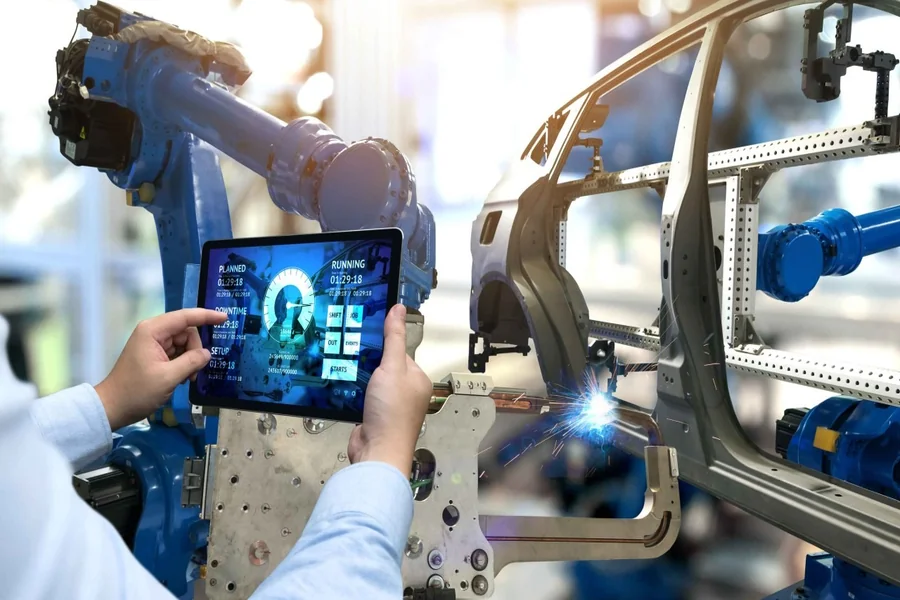
Modern HVAC systems are now equipped with a variety of sensors that continuously collect operational data from equipment components. These sensors track temperature fluctuations, airflow levels, vibration patterns, energy consumption, and pressure changes within the system. By gathering this information in real time, HVAC companies can build a detailed picture of how each unit is performing under different conditions. This continuous stream of data allows technicians to detect subtle changes that may indicate early signs of wear or malfunction. Instead of relying on periodic manual inspections, companies can monitor system health remotely and consistently.
Over time, this data is stored and analyzed to identify patterns that may not be visible during routine maintenance visits. When irregular behavior is detected, maintenance teams are alerted to investigate further before a minor issue escalates into a full system failure, improving overall reliability and reducing service disruptions.
- Machine Learning for Failure Prediction
Predictive maintenance in HVAC systems relies heavily on machine learning algorithms that analyze historical and real-time data to forecast potential failures. These algorithms are trained using large datasets that include past breakdowns, performance trends, and environmental conditions. By comparing current system behavior with historical patterns, the software can estimate when a component is likely to fail or require servicing. This allows HVAC companies to schedule maintenance at the most effective time, preventing unexpected breakdowns and optimizing repair schedules.
For instance, if a compressor exhibits vibration patterns similar to those one a previously failed unit, the system can flag it for inspection. In many service areas, including commercial zones where demand for reliable cooling is high, an HVAC company in Peoria may rely on these predictive tools to manage multiple buildings efficiently and reduce emergency calls. As technology improves, predictions become more accurate, helping reduce unnecessary maintenance while increasing system reliability across different HVAC installations.
- Real-Time Monitoring and Alerts
Real-time monitoring plays a crucial role in predictive maintenance by providing constant visibility into HVAC system performance. Through cloud-connected platforms, technicians and facility managers can access live updates about system conditions from anywhere. When performance metrics fall outside normal ranges, automated alerts are triggered immediately, enabling a quick response before issues worsen. This rapid notification system is especially useful in large buildings where HVAC systems are complex and serve multiple zones. Instead of discovering problems during scheduled inspections or after a breakdown occurs, maintenance teams can respond in the moment.
This approach minimizes downtime and helps maintain consistent indoor comfort levels. Additionally, real-time monitoring reduces the need for frequent on-site checks, saving time and resources while still ensuring system health is closely observed. Over time, this constant feedback loop improves decision-making and helps HVAC companies refine maintenance schedules based on actual system behavior rather than fixed timelines.
- Reducing Emergency Repairs and Costs
One of the major advantages of predictive maintenance is its ability to significantly reduce emergency repair situations. Traditional HVAC maintenance often relies on reactive responses, in which technicians are called only after a system has already failed. This approach can lead to higher costs, rushed repairs, and extended downtime. Predictive systems, however, identify potential issues early, allowing repairs to be planned and executed before a breakdown occurs. This proactive approach helps spread maintenance activities more evenly, reducing strain on both technicians and equipment.
It also helps building owners avoid unexpected expenses that come with urgent service calls. Over time, fewer emergency interventions mean lower operational costs and improved budgeting accuracy for facility management. Additionally, addressing issues early helps HVAC systems operate more smoothly, reducing wear and tear on components and maintaining energy efficiency, further contributing to long-term savings.
- Extending Equipment Lifespan
Predictive maintenance also plays a key role in extending the lifespan of HVAC equipment. When systems are maintained based on actual performance data rather than fixed schedules, components are serviced only when necessary. This prevents unnecessary strain caused by over-maintenance or delayed repairs. By addressing issues early, wear and tear on critical parts such as compressors, fans, and motors is significantly reduced. This balanced maintenance approach helps equipment operate within optimal conditions for longer periods. As a result, HVAC systems experience fewer major breakdowns and require fewer replacements over time. Building owners benefit from extended equipment life cycles, which reduces capital expenditure on new installations.
Additionally, well-maintained systems tend to operate more efficiently, which further reduces energy consumption and operational costs. Over time, this creates a more sustainable approach to building management, in which equipment performance is preserved through informed, timely maintenance decisions.
- Operational Efficiency for HVAC Teams
Predictive maintenance improves operational efficiency for HVAC teams by streamlining workflows and reducing unnecessary service calls. Instead of responding to unpredictable breakdowns, technicians can plan their schedules based on system data and maintenance forecasts. This allows for better allocation of time and resources, ensuring that urgent issues are prioritized while routine tasks are managed efficiently. It also reduces travel time between service locations by grouping multiple maintenance tasks based on predictive insights. Communication between monitoring systems and field technicians becomes more coordinated, leading to faster response times and improved service quality.
Over time, HVAC companies can build more structured maintenance programs that rely on data-driven insights rather than reactive decision-making. This shift not only improves productivity but also enhances customer satisfaction, as systems experience fewer interruptions and more consistent performance throughout their operational life.
Predictive maintenance is reshaping how HVAC companies manage system reliability and performance. By using sensors, data analytics, and machine learning, potential failures can be identified before they happen, reducing downtime and unnecessary repair costs. This approach allows technicians to work more efficiently while extending the lifespan of critical equipment.
It also supports better energy management and more stable indoor environments for building occupants. As technology continues to advance, predictive maintenance will likely become a standard approach in HVAC management, offering long-term benefits for both service providers and property owners through improved system stability and operational efficiency.