


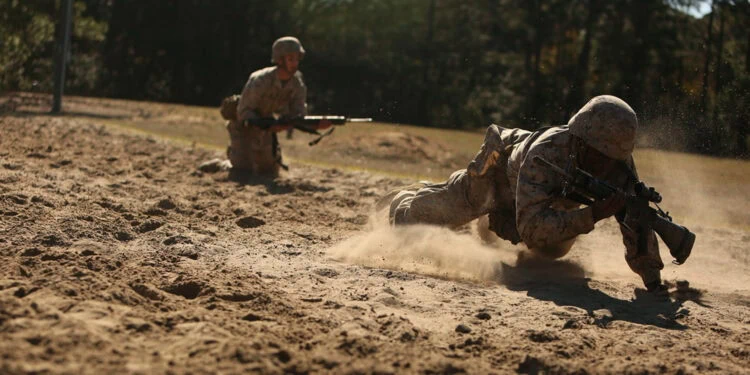
Veterans who come home from service often describe themselves as different people than the ones who left. That is not a metaphor. The experiences of military life, particularly in combat or high-stress environments, create real changes in the brain and body that science has only recently begun to measure with precision. Understanding these changes can help veterans and their families recognize that what they are experiencing has a biological basis, not a character flaw, and that real treatment can help the system reset.
None of this minimizes the meaning of service. It honors it by taking seriously what the body and brain go through and what they need to recover.
The Nervous System After Sustained Stress
Long periods of vigilance, danger, and unpredictability change how the nervous system operates. The body becomes calibrated to detect threat instantly and respond before conscious thought catches up. This makes perfect sense in combat. It causes problems in a quiet civilian living room. Programs designed for veterans, including Orange County veteran rehab options, often build their treatment models around this physiological reality. Telling a veteran to relax is not enough. Helping the nervous system actually relearn safety takes time and specific tools.
The Brain Regions Most Affected
Research has identified several brain regions that change during sustained stress and trauma. The amygdala, which processes fear, often becomes hyperactive. The hippocampus, which contextualizes memory, can shrink or function differently. The prefrontal cortex, which regulates impulses and emotions, often becomes less effective at calming the alarm system. These changes are measurable on imaging studies, and they help explain why so many veterans report feeling “wired but tired,” easily startled, or unable to think clearly during emotional moments.
Importantly, these changes are not permanent. The same brain that adapted to high-stress environments can adapt back to civilian life with the right support.
How Trauma Lives in the Body
Trauma is not stored only in memory. It lives in the body, in the muscles, the gut, the heart rate, and the sleep cycle. According to the American Psychological Association (APA), military service can affect physical and mental health in ways that go beyond the battlefield, including sleep disorders, chronic pain, cardiovascular changes, and digestive issues. These physical effects are not separate from mental health. They are part of the same nervous system response, and addressing them tends to require treatment that involves both the mind and the body.
Why Sleep Often Suffers After Service
Sleep is often the first system to show the strain of service. Many veterans report difficulty falling asleep, frequent waking, vivid dreams, or feeling exhausted no matter how long they spend in bed. Disrupted sleep, in turn, makes nearly everything else harder. Mood, attention, decision-making, and the ability to manage emotions all rely on adequate sleep. Treating sleep is often one of the highest-leverage parts of veteran-focused recovery.
The Role of Substances in Soothing a Stressed System
Many veterans first turn to alcohol or other substances as ways to slow down a system that will not power down on its own. The substance helps in the short term, then makes everything worse over time. Substance use often becomes a downstream effect of an underlying nervous system imbalance, and treating it without addressing that underlying state usually does not last. Programs that integrate substance use treatment with trauma-informed care tend to see the most lasting outcomes.
What Helps the Brain and Body Heal
Recovery from the effects of service often draws on several proven approaches:
- Trauma-focused therapies like cognitive processing therapy, prolonged exposure, and EMDR
- Body-based approaches such as somatic therapy, yoga, and breathwork
- Sleep medicine, including evaluation for sleep disorders that often go undiagnosed
- Physical training and outdoor activity that engage the body in healthy ways
- Group therapy with other veterans, which can reduce the isolation that compounds the issue
- Medication when appropriate, often as a bridge while other tools take effect
These approaches work best when combined. Treating the body without the mind, or vice versa, usually leaves part of the work undone.
Why Veteran-Specific Care Matters
Generic mental health care can help, but veteran-specific programs offer something difficult to replicate. Clinicians who understand military culture can build trust faster. Group therapy among other veterans creates a level of identification that civilian groups cannot match. Programming that respects the discipline and structure of military life tends to feel more usable than approaches that ignore those rhythms. The result is treatment that veterans are more likely to engage in fully and stick with over time.
How Long Healing Tends to Take
Recovery timelines vary. Some veterans see meaningful changes within weeks. Others find that the work unfolds gradually over months or years. The brain and body that adapted over many years of service do not unwind in one weekend. The good news is that progress is real and measurable along the way. Most veterans who engage in treatment can point to specific shifts they could not have imagined when they started.
Healing the Whole Person, Not Just the Symptoms
True recovery for veterans is not about erasing the past or pretending service did not change them. It is about giving the brain and body what they need to settle into a calmer baseline, and giving the person the tools to live in a peacetime world without leaving service experiences unprocessed. That kind of work takes intention, support, and time.
If you served, what you are feeling makes sense, and the path back to a steadier baseline is real. The right kind of help can meet you exactly where you are.