

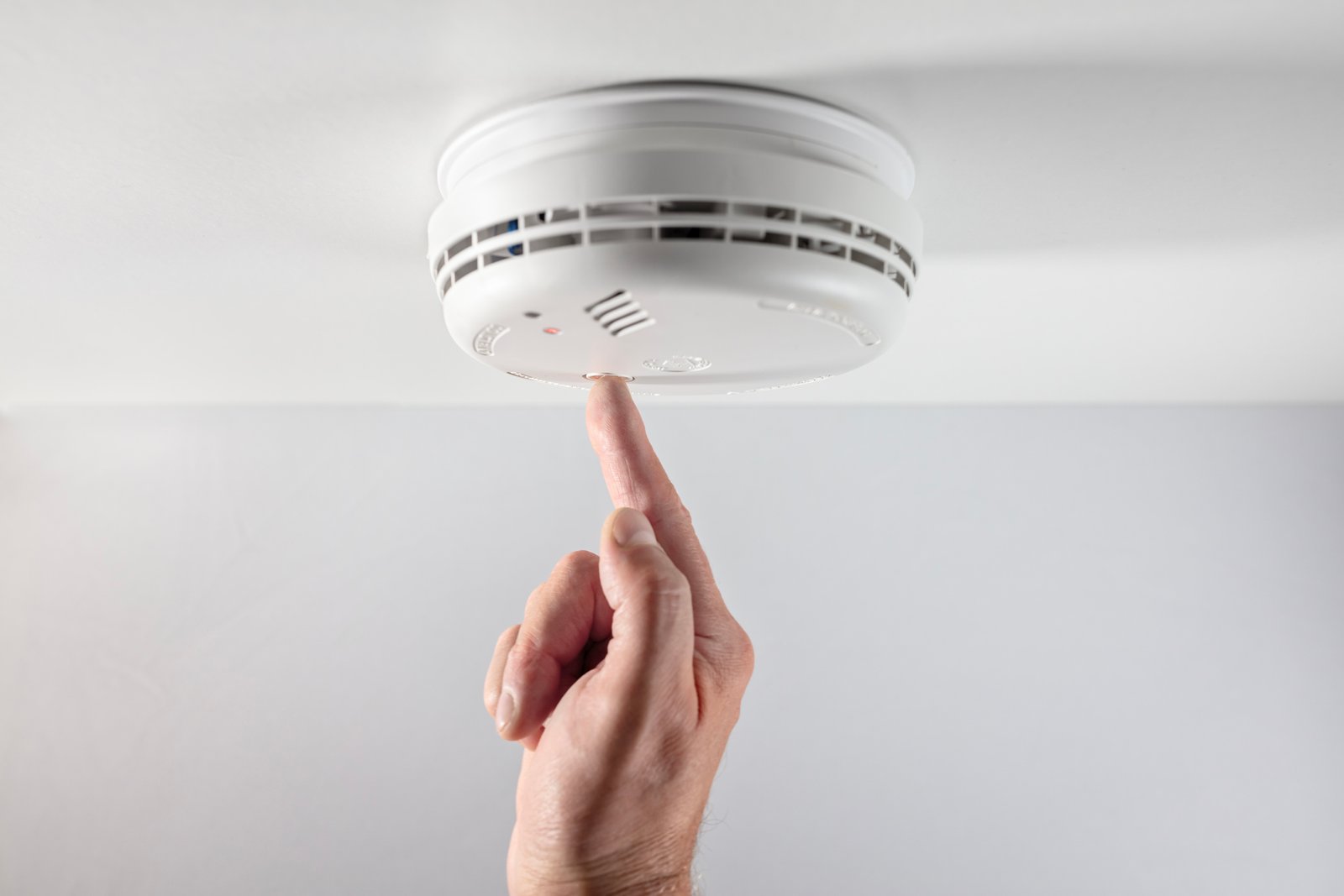
Fire alarm servicing is the routine inspection, testing, and maintenance of fire alarm systems to ensure they function correctly. These systems are critical for detecting fires early and alerting occupants, helping to prevent injury, property damage, and potential loss of life. Regular fire alarm servicing ensures that every component of the fire alarm system, from detectors to control panels, operates reliably and meets safety standards.
Fire alarm servicing should be conducted by trained and certified professionals who understand the intricacies of fire detection systems. In many facilities, this is complemented by Fire Watch Guards, who provide on-site monitoring and immediate response when systems are impaired or during high-risk activities. Technicians and fire watch personnel together help ensure compliance, safety, and rapid action in case of emergencies.
How often should fire alarm systems be serviced?
The frequency of fire alarm servicing depends on local regulations, the type of building, and the system installed. Most commercial and public buildings require annual servicing, while certain high-risk environments may need more frequent checks. Regular servicing ensures that any faults or malfunctions are identified early, maintaining continuous protection for occupants.
What does a typical fire alarm service include?
A standard service includes inspecting and testing detectors, control panels, sounders, and call points. Technicians check the wiring, power supply, and backup systems to ensure reliability. Any damaged or faulty components are repaired or replaced. Documentation of the service is provided for regulatory compliance and records, giving building owners confidence that their system is fully operational.
Why is regular testing essential for fire alarms?
Regular testing verifies that each part of the system works as intended. Detectors need to sense smoke or heat correctly, alarms must sound loudly, and communication systems must function to alert emergency responders. Testing helps prevent failures during emergencies, ensuring that the system provides reliable protection when it is most needed.
Who should carry out fire alarm servicing?
Fire alarm servicing should be conducted by trained and certified professionals who understand the intricacies of fire detection systems. Technicians have the expertise to identify potential issues, adhere to safety standards, and perform repairs safely. Using qualified professionals ensures that the system is compliant with regulations and reliable for day-to-day use.
How does fire alarm servicing contribute to safety?
Servicing minimizes the risk of false alarms, system failures, and delayed responses in case of fire. By maintaining detectors, alarms, and control systems, building owners ensure that occupants are alerted promptly, evacuation procedures are effective, and fire risks are mitigated. Regular maintenance is a proactive step to protect people, property, and operations.
Can fire alarm servicing help reduce insurance risks?
Yes, insurance providers often require evidence of regular fire alarm maintenance as part of policy conditions. Serviced and compliant systems may lower insurance premiums and reduce liability in case of fire-related incidents. A well-maintained system demonstrates a commitment to safety, which is viewed favorably by insurers.
What types of fire alarms are included in servicing?
Servicing covers various types of fire alarms, including smoke detectors, heat detectors, manual call points, alarm sounders, and integrated alarm systems. Some services also include testing emergency lighting and interlinked fire suppression systems. Comprehensive coverage ensures that every safety measure in the building is checked and fully functional.
How does fire alarm servicing prevent false alarms?
Regular servicing identifies and addresses issues such as faulty detectors, wiring problems, or environmental factors that could trigger false alarms. By correcting these issues, the system maintains accuracy and reliability, ensuring that alarms sound only when there is a genuine fire risk. This reduces disruption, prevents unnecessary evacuations, and maintains trust in the system.
What role does documentation play in fire alarm servicing?
Proper documentation provides a record of inspections, tests, repairs, and system performance. This documentation is essential for regulatory compliance, insurance purposes, and tracking the history of the system. It allows building owners to demonstrate that the fire alarm system is maintained to industry standards and meets safety obligations.
How do technicians identify faults during servicing?
Technicians use specialized equipment and knowledge to inspect every component of the fire alarm system. They test detectors, alarms, control panels, and backup batteries. Any irregularities, wear, or damage are logged and addressed promptly. Early identification of faults prevents failures and ensures the system remains effective.
Can fire alarm servicing be scheduled around business operations?
Yes, most service providers offer flexible scheduling to minimize disruption. Services can be performed outside business hours or during planned maintenance windows. This ensures that the fire alarm system is maintained without interrupting normal activities or causing inconvenience to employees and occupants.
How does fire alarm servicing support compliance with safety regulations?
Fire alarm systems are subject to national and local safety regulations. Regular servicing ensures that systems meet these standards, avoiding penalties or legal issues. Compliance also demonstrates a commitment to safety for employees, customers, and visitors, reinforcing trust and responsibility.
What happens if a fire alarm system fails during an emergency?
A failed fire alarm system can lead to delayed detection, ineffective evacuation, and increased risk of injury or damage. Regular servicing reduces this risk by identifying and correcting faults before they cause system failure. Ensuring continuous operation provides peace of mind and maintains the highest level of protection.
How do fire alarm services handle emergency backup systems?
Fire alarm systems often include backup power sources such as batteries or generators to maintain functionality during power outages. Servicing involves testing these backup systems to confirm they operate correctly. This ensures that the alarm system remains active even during emergencies, maintaining continuous protection.
Can fire alarm servicing extend the lifespan of the system?
Yes, regular maintenance prevents wear and tear, addresses minor issues before they escalate, and keeps components in good condition. This proactive care extends the system’s operational lifespan, reducing the need for early replacement and providing long-term cost savings.
How does servicing integrate with other safety measures?
Fire alarm servicing complements other safety measures such as fire extinguishers, emergency lighting, and evacuation procedures. Ensuring that all systems work together effectively enhances overall safety, providing a comprehensive approach to fire risk management.
What is the cost-benefit of regular fire alarm servicing?
While servicing involves a recurring cost, it provides substantial benefits including enhanced safety, regulatory compliance, reduced risk of fines, and potential insurance advantages. The cost of neglecting maintenance can be far higher, including property damage, legal liabilities, and loss of life. Regular servicing is a wise investment in long-term protection.
How do fire alarm companies address new technologies in servicing?
Modern fire alarm systems often include advanced technologies such as wireless connectivity, integrated monitoring, and smart alarms. Service providers stay updated with these advancements, ensuring that newer systems receive the same level of thorough maintenance and testing. This guarantees optimal performance regardless of system complexity.
Can fire alarm servicing be customized for different building types?
Yes, servicing can be tailored to the size, layout, and risk level of the building. Residential, commercial, and industrial properties all have different requirements. Custom service plans address specific needs, ensuring effective protection for any environment, whether it’s a small office, a large warehouse, or a multi-story residential block.
How does regular servicing contribute to employee confidence?
Knowing that a fire alarm system is regularly serviced and reliable provides peace of mind for employees. They can feel confident that, in the event of an emergency, alarms will function correctly, and evacuation procedures will be effective. This fosters a safer and more reassuring workplace.
What should building owners ask when arranging fire alarm servicing?
Owners should inquire about the technician’s qualifications, the scope of the service, compliance with regulations, response times for repairs, and documentation provided. Understanding these aspects ensures that the service is comprehensive, reliable, and aligned with safety standards.
How do fire alarm companies handle urgent repairs?
In the event that a fault is detected during servicing, companies usually provide rapid repair or replacement solutions. Prompt attention ensures that the system is returned to full functionality quickly, maintaining continuous protection for the building and its occupants.
Does fire alarm servicing include testing of alarm sound levels?
Yes, testing includes ensuring that alarms are loud enough to alert everyone in the building. This includes checking detectors, sounders, and integrated systems to ensure they meet regulatory and safety standards. Proper sound levels are critical for early warning and effective evacuation.
Can fire alarm servicing detect issues that are not immediately obvious?
Absolutely. Technicians can identify wiring faults, sensor degradation, control panel errors, and other hidden issues that may not be apparent during daily use. Early detection prevents system failures and ensures long-term reliability.
How does fire alarm servicing complement insurance requirements?
Insurance policies often require evidence of regular maintenance for fire safety systems. A documented service schedule can satisfy these requirements, ensuring that coverage remains valid. Proper servicing can also reduce premiums and liability in case of fire incidents.