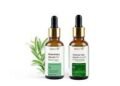


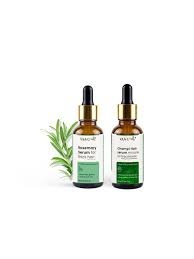
Hair growth takes time, so it can be hard to know which products are worth trying. Among the many botanical ingredients now used in hair products, rosemary has become a popular plant-based ingredient in scalp care. It is particularly popular in serums designed to support hair growth and reduce the appearance of thinning. But its benefits may depend on the formulation, your scalp needs, and consistent use.
Before adding one to your routine, let’s look at what rosemary serum can do, how it may support the scalp, and how to use it effectively.
What is a Rosemary Serum?
A rosemary serum is a leave-in scalp product containing rosemary extract, rosemary oil, or another rosemary-derived ingredient in a formulated base. Unlike applying undiluted rosemary essential oil directly to the scalp, a serum is designed for controlled application and may include other ingredients that support the scalp and hair. Depending on the formula, it may also contain conditioning, soothing or hair-supporting ingredients. It is different from a simple DIY rosemary serum made at home.
How Does Rosemary Help with Hair Growth?
- Supports a healthier scalp: Rosemary may help soothe the scalp and support a balanced environment for hair growth.
- Helps reduce scalp irritation: Its antioxidant and anti-inflammatory properties may help calm dryness, redness, and discomfort.
- Supports stronger-looking hair: Regularly using rosemary serum on the scalp can be helpful in improving the appearance of hair thickness and density.
- May help minimise hair loss appearance: Consistent use can complement a routine focused on managing everyday shedding.
- Helps to nourish the scalp: The formulas with rosemary can be beneficial for providing nourishing care to the scalp.
- Can help keep the scalp fresh: Its natural antimicrobial properties can help maintain a cleaner-feeling scalp.
- Can complement other hair-care ingredients: Formulated serums may combine rosemary with additional ingredients designed to support hair strength and density.
If hair loss is sudden, severe, patchy, or persistent, consult a dermatologist to identify the underlying cause.
DIY Rosemary Serum vs Formulated Hair Growth Serums: Which One Is Better?
DIY rosemary preparations are appealing because they are inexpensive and easy to make. However, homemade mixtures can vary in strength, preservation, and cleanliness, making the final concentration difficult to predict. A single rosemary ingredient also does not provide the broader combination found in a purpose-built hair growth formula.
A formulated rosemary serum for hair growth is designed with a specific texture and ingredient concentration. This can make application easier and more consistent, particularly when the product is intended for regular scalp use.
For example, the Bare Anatomy Advanced Hair Growth Serum combines rosemary extract with 3% Redensyl, 4% Anagain, 3% Baicapil, and 1% Capilia Longa. This lightweight serum helps strengthen hair from the roots and support visible hair regrowth.
How to Apply a Rosemary Serum for Best Results
Application is simple, but scalp coverage matters more than using a large amount.
- Begin with a clean scalp: Apply the serum directly to the clean, damp hair rather than coating the hair lengths.
- Concentrate on weak areas: Part the hair into sections and apply the serum to the scalp where you notice wide parting and thinning.
- Massage gently: Massage for about 2-3 minutes using fingertips in circular motions. Do not rub vigorously or scratch the scalp, since it may cause irritation.
- Apply regularly: Regular use is better than applying a large amount occasionally.
- Do a patch test: If the formula contains rosemary oil or other potentially irritating ingredients, test it on a small area before using it on the hair.
However, if you are using rosemary water for hair growth, remember that homemade preparations can differ in strength and shelf life. Leave-in formulations are better to use.
What Results to Expect and Timeline
Hair growth is slow, so a few applications will not tell you whether a routine is working. Here is an expected timeline:
- First few weeks: Your hair may feel healthier or less dry, but noticeable new growth is unlikely this early.
- Around 1-3 months: You may notice a change in hair fall and hair appearance; however, results vary from person to person, and visible density may still take time.
- Around 3-6 months: You are likely to notice fuller hair, fewer falls, or tiny hair growth around your hairline and parting. This may depend on your type of hair loss and consistent use of the serum.
Common Mistakes To Avoid
Using a rosemary hair serum consistently is important, but a few routine mistakes can make it harder to judge your progress. These include:
- Using too much hair serum: More serum does not mean faster hair growth. 2-3 times is usually enough for most people.
- Using hair serum only on hair strands: Hair growth starts at the scalp, so part your hair and apply the serum, especially on thinning areas.
- Occasional application: Hair growth is gradual; therefore, you may not see the results if you do not use the serum regularly.
- Expecting quick results: Do not judge a hair growth serum after a few days or washes. Give the routine several months.
- Aggressively massaging the scalp: A gentle fingertip massage is enough. Scratching or vigorous rubbing can irritate the scalp.
Conclusion
Rosemary is a common ingredient in scalp products, and early research suggests it may help support healthier-looking, fuller hair over time. Results may differ from person to person. A well-formulated serum offers a convenient and consistent way to use rosemary alongside other hair growth ingredients. Use it regularly, and give your routine a few months to show results. When used regularly, it can help promote a healthier scalp, leaving your hair looking fuller, stronger and healthier.