


Table of Contents
1. The Evolution of Corporate Identity through Sustainability
2. Defining True Eco Friendly Merchandise in a Greenwashed Market
3. Key Criteria for Selecting Sustainable Suppliers
4. Top Tier Eco Friendly Merchandise Suppliers in the UK
5. Material Innovation and the Circular Economy
6. Strategic Implementation of Sustainable Branding
7. Measuring the Impact of Green Promotional Strategies
8. The Future of Ethical Gifting and Brand Longevity
The Evolution of Corporate Identity through Sustainability
The landscape of corporate branding has undergone a seismic shift over the last decade. Historically, promotional products were viewed as disposable items designed for short term visibility. Today, however, the modern consumer is highly attuned to the environmental impact of their choices. A brand that chooses low quality plastic pens or non recyclable polyester bags risks damaging its reputation more than enhancing it. In the United Kingdom, this shift is particularly pronounced as government regulations and public sentiment align toward a net zero future.
Sustainable branding is no longer a niche marketing tactic but a core business strategy. It involves a holistic approach where every touchpoint, including physical merchandise, reflects a commitment to environmental stewardship. When a company distributes eco friendly products, it communicates its values without saying a word. This silent communication is powerful because it demonstrates consistency between a brand’s mission statement and its physical actions.
The transition toward green merchandise also reflects a broader move toward the circular economy. This economic system aims to eliminate waste and the continual use of resources. By selecting products made from recycled, organic, or biodegradable materials, businesses ensure that their promotional efforts do not contribute to the growing global waste crisis. The goal is to create items that are either durable enough to last for years or designed to return to the earth safely at the end of their lifecycle.
Defining True Eco Friendly Merchandise in a Greenwashed Market
Navigating the world of sustainable procurement requires a discerning eye. Greenwashing, the practice of making misleading claims about the environmental benefits of a product, is prevalent in the promotional industry. To truly embrace sustainable branding, companies must look beyond vague labels like natural or eco and demand transparency regarding the supply chain.
Understanding Material Certifications
One of the most reliable ways to verify the sustainability of a product is through third party certifications. These labels provide a level of assurance that the item meets specific environmental and social standards.
1. Global Organic Textile Standard or GOTS ensures that textiles are made from organic fibers and produced under socially responsible conditions.
2. Forest Stewardship Council or FSC certification guarantees that wood and paper products come from responsibly managed forests that provide environmental, social, and economic benefits.
3. Fairtrade certification focuses on the social aspect of sustainability, ensuring that producers in developing countries are paid fairly and work in safe conditions.
4. Recycled Claim Standard or RCS tracks recycled raw materials through the supply chain to verify the recycled content in a final product.
The Importance of Lifecycle Assessment
A truly sustainable product is evaluated based on its entire lifecycle, from raw material extraction to disposal. This is known as a cradle to grave analysis. For example, a reusable water bottle made from stainless steel might have a higher carbon footprint during production than a plastic one, but its longevity and recyclability make it a far superior choice for the environment over time. When selecting merchandise, businesses should consider how long the item will be used and what happens to it when it is no longer needed.
Key Criteria for Selecting Sustainable Suppliers
Choosing the right partner is essential for maintaining the integrity of a green marketing campaign. A supplier should be more than just a vendor; they should be a consultant who understands the nuances of sustainable materials and ethical manufacturing.
Transparency and Traceability
A reputable supplier should be able to provide detailed information about where their products are manufactured and the conditions of the factories. This includes transparency regarding labor practices and the origin of raw materials. In the UK market, many businesses are turning to partners like Totally Branded to ensure their promotional efforts align with modern ethical standards. Suppliers who prioritize transparency help brands avoid the pitfalls of modern slavery and environmental degradation within their supply chains.
Carbon Footprint and Logistics
Sustainability also extends to how products are transported. Choosing a UK based supplier can significantly reduce the carbon emissions associated with shipping. Furthermore, look for suppliers who use carbon neutral delivery services or minimize plastic packaging in their shipments. The total environmental cost of an item includes the fuel burned to get it to your doorstep.
Range and Innovation
The best suppliers stay ahead of the curve by offering innovative materials. This might include stationery made from elephant poo, clothing made from recycled ocean plastic, or tech gadgets housed in wheat straw. A diverse range of products allows a brand to find unique items that resonate with their specific audience while maintaining their green credentials.
Top Tier Eco Friendly Merchandise Suppliers in the UK
The UK is home to several industry leaders who have pioneered the move toward ethical promotional products. These companies provide the infrastructure for businesses to execute high quality campaigns without compromising the planet.
Totally Branded
As a prominent leader in the promotional industry, Totally Branded offers an extensive range of items that cater to the environmentally conscious professional. Their selection emphasizes durability and material integrity, ensuring that brands can find everything from recycled notebooks to organic cotton apparel. By working with Totally Branded, companies can access a streamlined procurement process that prioritizes both quality and ecological responsibility.
The British Promotional Merchandise Association Members
The BPMA is a professional body that sets high standards for the industry. Many of the top sustainable suppliers in the UK are members of this association, which requires a commitment to a strict code of conduct. When looking for a supplier, checking for BPMA membership is a good indicator of professional reliability and ethical practice.
Specialist Niche Providers
Beyond general suppliers, there are niche companies focusing exclusively on specific categories like ethical confectionery or high end sustainable corporate gifts. These specialists often provide deep expertise in their respective fields, offering products like vegan chocolates or carbon negative spirits that can add a unique touch to a sustainable branding strategy.
Material Innovation and the Circular Economy
The materials used in promotional products are evolving rapidly. Understanding these innovations allows brand managers to make more informed decisions that enhance their sustainability narrative.
Plant Based Plastics and Biopolymers
Traditional plastics derived from petroleum are being replaced by bioplastics made from renewable resources like corn starch, sugarcane, or cellulose. These materials can often be composted or degraded much faster than conventional plastics. However, it is important to distinguish between compostable and biodegradable, as some require industrial composting facilities to break down properly.
Recycled Textiles and Plastics
The use of rPET or recycled polyethylene terephthalate is becoming standard for items like lanyards, umbrellas, and bags. This material is made from recycled plastic bottles, diverting waste from landfills and oceans. Similarly, recycled cotton reduces the need for water intensive virgin cotton farming.
Upcycled and Waste Stream Materials
Some of the most exciting developments in sustainable branding involve using waste from other industries. Coffee husks, cork, and bamboo are used to create durable and aesthetically pleasing office accessories. These materials often have a unique texture and story that adds value to the promotional item, making it a conversation starter.
Strategic Implementation of Sustainable Branding
Simply buying green products is not enough; they must be integrated into a coherent brand strategy. The goal is to create a positive association between the brand and environmental responsibility.
1. Align the Product with the Message. If a company is promoting a message about water conservation, a high quality reusable glass bottle is a perfect fit. The product should reinforce the specific values the brand wishes to project.
2. Focus on Quality over Quantity. It is better to give away fifty high quality, useful items that will be kept for years than five hundred cheap items that will be discarded within a week. This approach reduces waste and increases the long term visibility of the brand.
3. Personalization and Storytelling. Use the branding on the product to tell its story. A small note explaining that a notebook is made from 100 percent recycled coffee cups adds significant perceived value and educates the recipient on the brand’s commitment to the circular economy.
4. Distribution Methods. Consider how the merchandise is delivered. Using reusable crates for event transport or opting for digital vouchers that can be redeemed for physical goods helps reduce the overproduction of items.
When planning these strategies, many organizations consult with experts like Totally Branded to identify which products will most effectively reach their target demographic while adhering to a strict environmental budget.
Measuring the Impact of Green Promotional Strategies
To justify the investment in premium eco friendly products, businesses must measure the impact of their sustainable branding efforts. This involves looking at both qualitative and quantitative data.
Brand Sentiment and Perception
Surveys and social media monitoring can reveal how customers perceive a brand’s sustainability efforts. High quality, sustainable merchandise often leads to positive brand mentions and increased loyalty. Customers are more likely to share photos of stylish, eco friendly gifts on social platforms, providing organic reach that traditional advertising cannot match.
Return on Investment through Longevity
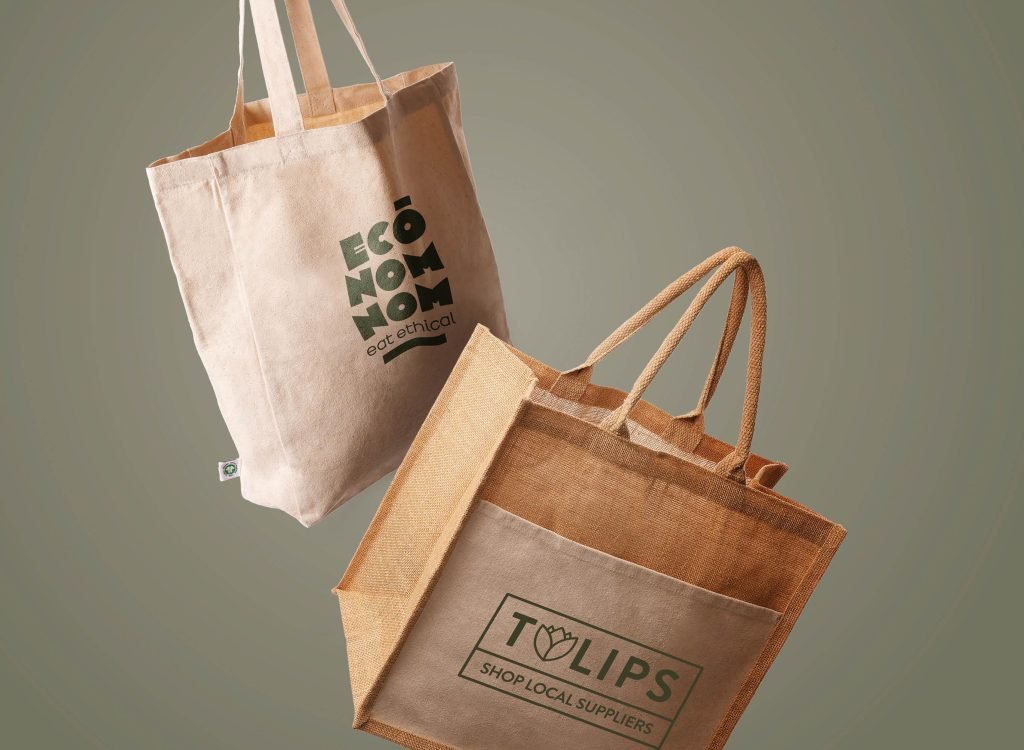
The cost per impression is a key metric in promotional marketing. While a sustainable item might have a higher upfront cost, its durability ensures a much lower cost per impression over its lifetime. A sturdy canvas bag from Totally Branded might be used hundreds of times over several years, whereas a thin plastic bag might be used once.
Environmental Impact Reporting
Many companies now include the environmental savings of their promotional activities in their annual CSR or Corporate Social Responsibility reports. This might include the amount of plastic diverted from landfills, the volume of water saved by using recycled cotton, or the total carbon offset through local sourcing. Providing these hard numbers builds trust with stakeholders and investors.
The Future of Ethical Gifting and Brand Longevity
The future of branding is inextricably linked to the health of the planet. As we move forward, we can expect to see even more integration between technology and sustainability. Smart merchandise that can be tracked for recycling or products that incorporate living elements, like seed paper that grows into wildflowers, will become more common.
The most successful brands will be those that view sustainability not as a hurdle but as an opportunity for innovation. By partnering with forward thinking organizations such as Totally Branded, businesses can ensure they stay at the forefront of this movement. The shift toward sustainable branding: the best eco friendly merchandise suppliers in the UK are those who provide not just products, but a vision for a cleaner, more responsible corporate world.
In this context, the role of the promotional product changes from a mere giveaway to a symbol of a brand’s legacy. When a customer uses a well crafted, sustainable item, they are reminded of a company that cares about more than just profit. They see a brand that is invested in the future of the community and the environment. This emotional connection is the foundation of long term brand loyalty and is the ultimate goal of any sustainable branding strategy.
As the UK continues to lead the way in environmental policy and consumer awareness, the demand for ethical merchandise will only grow. Companies that act now to secure their supply chains and adopt green promotional practices will be the ones that thrive in the decades to come. The journey toward total sustainability is a marathon, not a sprint, and every eco friendly choice made today paves the way for a more resilient brand tomorrow.