

A bathroom vanity is more than a place to store toiletries or wash your hands. It can serve as one of the main design features of a modern bathroom while providing essential storage and functionality. The right vanity can make a small bathroom feel more spacious, give a large bathroom a sophisticated appearance, and create a practical area for everyday routines.
With modern materials, innovative storage solutions, and a wide range of styles available, homeowners have plenty of options when planning a bathroom renovation. From floating vanities and natural stone countertops to custom cabinetry and integrated sinks, the following ideas can help create a stylish and functional bathroom.
1. Choose a Floating Bathroom Vanity
Floating vanities are popular in contemporary bathrooms because they create a clean and lightweight appearance. Unlike traditional floor-standing cabinets, floating vanities are mounted against the wall, leaving visible floor space underneath.
This design can make a smaller bathroom appear more open while making floor cleaning easier. The space beneath the vanity can also be used for baskets or kept completely open for a minimalist appearance.
For a modern look, combine a floating vanity with a simple countertop, wall-mounted faucet, and large mirror.
2. Select a Natural Stone Countertop
The countertop is one of the most noticeable parts of a bathroom vanity. Natural stone can add texture, character, and a premium appearance to the room.
Marble, granite, quartzite, and other stone materials can complement both contemporary and traditional bathroom designs. Each material has its own color, pattern, and maintenance requirements.
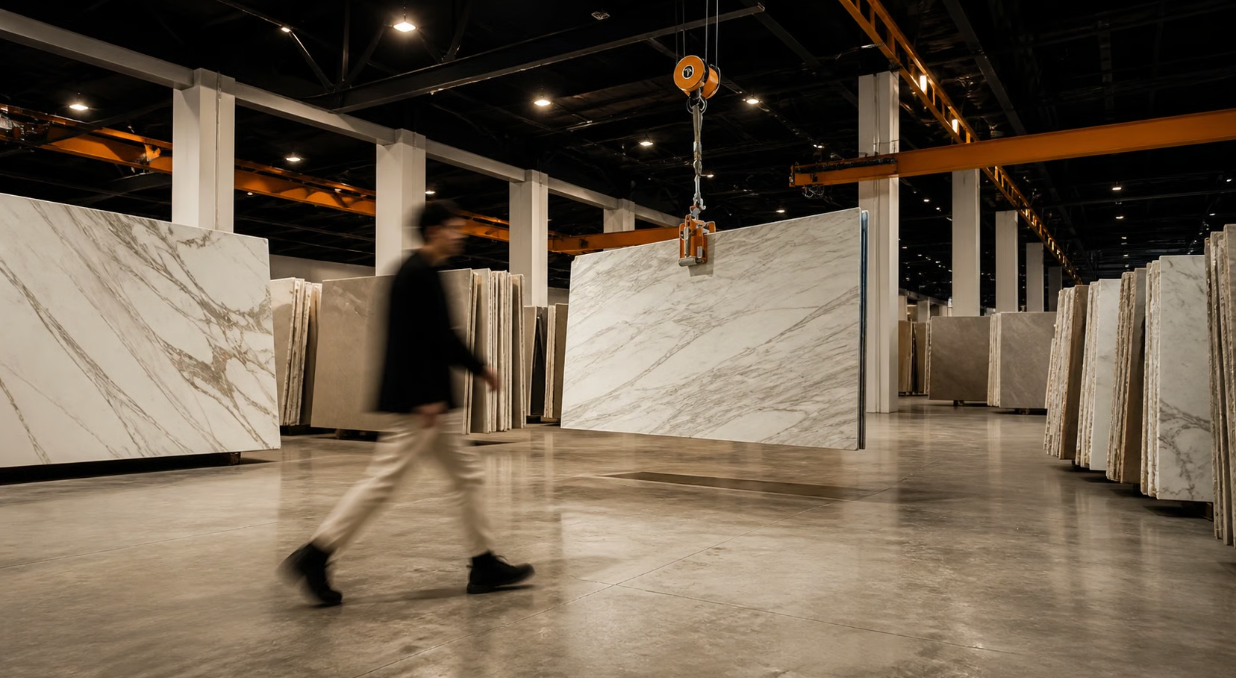
When selecting a stone surface, homeowners should research reputable stone companies and compare material quality, fabrication options, installation services, and maintenance requirements. Choosing the right stone can help create a durable surface that complements the rest of the bathroom.
3. Consider Double-Sink Vanities
A double-sink vanity can be an excellent choice for a shared bathroom. It provides two separate washing areas and additional countertop space, making morning routines more convenient for couples or families.
Double vanities generally require more wall space, so accurate measurements are essential. Make sure there is enough room for the vanity, doors, shower, toilet, and other bathroom fixtures.
For larger bathrooms, a long double vanity can also become an attractive focal point.
4. Use Custom Bathroom Cabinets
Standard bathroom furniture may not always fit perfectly, particularly in bathrooms with unusual dimensions. Custom cabinetry allows homeowners to design a vanity around the available space.
Custom vanities can include specific drawer sizes, open shelving, tall storage sections, integrated laundry storage, and specialized compartments for toiletries.
This approach can also help coordinate the bathroom with the rest of the home’s interior. Cabinet finishes can be selected to complement bedroom furniture, kitchen cabinetry, flooring, and doors.
5. Add Large Mirrors
A large mirror can enhance both the functionality and appearance of a bathroom vanity. Mirrors reflect light and can make a compact bathroom feel brighter and more spacious.
For a contemporary appearance, consider a frameless mirror or a simple rectangular design that extends across the vanity. Round and curved mirrors can introduce softer shapes into bathrooms dominated by straight lines.
Backlit mirrors are another modern option. Integrated LED lighting can provide useful illumination while creating a sophisticated atmosphere.
6. Choose Practical Vanity Storage
A stylish vanity should also provide enough storage for everyday bathroom items. Drawers can be more convenient than deep cabinets because they allow users to see and access their belongings easily.
Consider separate compartments for toiletries, cosmetics, towels, cleaning products, and electrical grooming tools. Built-in organizers can help keep small items neatly arranged.
If the bathroom is compact, vertical storage can provide additional capacity without requiring a larger floor footprint.
7. Experiment With Wood Finishes
Wood-effect cabinetry can add warmth to a modern bathroom. Natural tones can soften the appearance of white tiles, stone surfaces, and metal fixtures.
Light wood finishes can create a bright Scandinavian-inspired interior, while darker wood can provide a more luxurious appearance.
Because bathrooms contain moisture, make sure the selected cabinet materials and finishes are appropriate for humid environments and are easy to clean.
8. Combine Different Materials
Modern bathroom design often combines several complementary materials rather than relying on a single finish.
A vanity with wood-effect cabinetry can be paired with a stone countertop, ceramic sink, brushed-metal faucet, and large-format wall tiles. This combination creates contrast while maintaining a cohesive appearance.
The key is to avoid using too many competing patterns. If the countertop has dramatic veining, simpler cabinet fronts and wall finishes can provide a better visual balance.
9. Select the Right Hardware
Handles, faucets, and other hardware can have a noticeable effect on the final appearance of a vanity.
Minimalist bathrooms often use simple handles or handleless drawers, while traditional designs may benefit from decorative hardware. Matte black, brushed metal, chrome, and other finishes can create different visual effects.
Try to coordinate vanity hardware with faucets, shower fittings, towel rails, and lighting fixtures for a consistent design.
10. Consider Wall-Mounted Faucets
Wall-mounted faucets can contribute to a sleek and contemporary bathroom design. Because the faucet is installed directly into the wall, the countertop can have a cleaner appearance.
This configuration can also make countertop cleaning easier because there are fewer fixtures occupying the surface.
However, wall-mounted faucets require appropriate plumbing preparation, so they should be considered during the planning stage rather than added after installation.
11. Explore Different Sink Styles
The sink is another important component of a modern bathroom vanity. Undermount sinks create a seamless countertop appearance and are relatively easy to clean.
Vessel sinks sit above the countertop and can become a decorative focal point. Integrated sinks, meanwhile, can combine the sink and countertop into one continuous surface.
Choose a sink according to the vanity’s dimensions, your preferred style, cleaning requirements, and available plumbing.
12. Create a Cohesive Home Interior
Although the bathroom has specific functional requirements, it should still complement the overall home design.
Homeowners can repeat colors, textures, and materials used in other rooms to create visual continuity. For example, a wood finish used in kitchen cabinets can inspire the vanity design, while similar hardware can connect different spaces.
When researching cabinetry for different rooms, homeowners may also compare established kitchen cabinet brands to understand available materials, finishes, construction methods, and customization options. Some design principles used in high-quality kitchen cabinetry can also influence bathroom furniture.
13. Improve Bathroom Lighting
Good lighting is essential around a vanity, particularly for shaving, applying makeup, and other grooming activities.
Wall sconces positioned beside a mirror can provide balanced illumination, while overhead lights can provide general brightness. Integrated LED lighting around or behind a mirror can create a modern appearance.
Avoid relying entirely on a single ceiling fixture because it may create shadows across the face.
14. Think About Long-Term Durability
Bathroom furniture is exposed to humidity, water splashes, cleaning products, and daily use. Durability should therefore be an important consideration when selecting a vanity.
Look for moisture-resistant materials, reliable drawer mechanisms, quality hinges, and finishes that are easy to maintain.
A reputable supplier should be able to provide information about material specifications, installation requirements, maintenance, and warranty coverage.
15. Keep the Design Simple
Modern bathroom design generally benefits from simplicity. Instead of filling the space with decorative elements, focus on a few high-quality features.
A clean vanity, large mirror, attractive countertop, suitable lighting, and carefully selected hardware can create a sophisticated result without making the room feel crowded.
Keeping countertops relatively clear can also make the bathroom easier to clean and maintain.
Conclusion
A modern bathroom vanity should combine attractive design with practical storage and everyday functionality. Floating cabinets, natural stone countertops, double sinks, custom storage, large mirrors, wood finishes, integrated lighting, and contemporary hardware can all contribute to a stylish bathroom.
When selecting stone surfaces, researching reputable stone companies can help homeowners compare materials, quality, fabrication, and installation options. Similarly, looking at established kitchen cabinet brands can provide useful inspiration for cabinetry construction, finishes, storage, and coordinated home interiors.
The best bathroom vanity is one that fits the available space, meets the household’s storage requirements, complements the home’s design, and provides reliable long-term performance. With careful planning and the right combination of materials and features, even a simple bathroom can become a comfortable and sophisticated part of the home.