


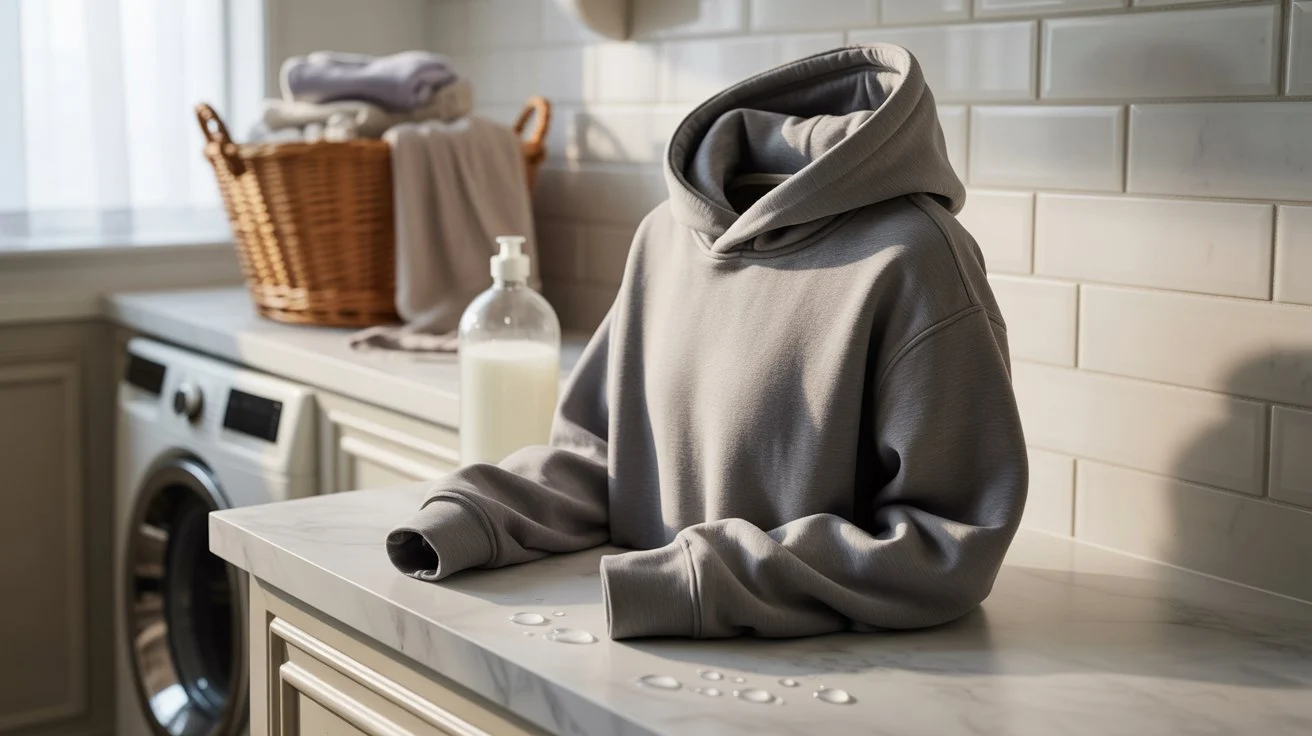
Sometimes you just need to get an idea of how the fabric quality is going to affect comfort levels, and it can give you a sneak peek at what it is going to feel like when you wear it from time to time. Check the fabric attribute sets of the item you’re placing an order for and look for signs of cotton or polyester. Many mixed clothing items feature a blend of both fabrics to make the item practical as well as comfortable. When choosing among essentials hoodie options, you should look for specifications about the fabric construction, including the percentage of cotton and polyester. For warmer, more comfortable essentials, you might want a higher ratio of cotton. If you want an easier-to-maintain product, look for a higher amount of polyester. When reviewing descriptions of the fabric, look to see whether the seller provides percentages of the material’s cotton or polyester content or just offers vague descriptions about better fabric. If a description says it’s just premium fabric, that’s not very helpful. Consult photos for clues about the fabric quality. If the material isn’t very thick, it may not be as warm as you need. But if the fabric is thicker, that doesn’t mean it’s better-size up to meet the needs of your location and your preferred level of comfort to get the right fabric fit.
Inspect the Hood Cuffs and Other Important Design Details
Make small adjustments that can improve the wearing experience we have spotted some small but useful design details that can add to the overall wearing comfort. It should sit comfortably at the centre front opening and hold comfortably. Moving the focus to the cuffs around each wrist, see how comfortably they sit around the body. Think ribbed cuffs here and how they might retain the body’s natural shape in use. They should sit firmly but not too tightly. Moving to the bottom of your hood is the next step. In the same way as the cuffs, ensure the panel sits well around the body and isn’t billowing in the breezes. Once again, a neatly finished bottom hem can make all the difference in its overall appearance and shape. Next look at the kangaroo pocket if your design features one. This should sit comfortably and appear usable when the hood is being worn around the body. Last but not least, pay attention to the neckline and shoulders, as these are the areas most likely to influence how your design will hang on the body. Keep an eye out for the fabric and colour consistency across different sections, and note the positioning of printed graphics and embroidery for consistency.
Check Stitching and Seams for Signs of Good Finishing
Stitching will give you a good idea of the overall finishing quality of a hoodie. Even a good-looking piece of clothing is going to be let down if the stitches securing it aren’t firmly in place. Check out the images – start by taking a look at the shoulders and sleeves. These are areas that will frequently move through day-to-day life. Are they tight and even, with evenly spaced stitches? Slightly uneven lines can be a sign that finishing isn’t complete, and loose threads on the cuff aren’t necessarily out of place. If you’re viewing any images of the product that are close-up, then examine these images for quality – you could also contact the seller to request more if you’re considering a purchase. When evaluating anessential hoodie, it’s worth paying close attention to the small finishing details such as the edges of the pocket, as well as the way the hood is attached. Adding some double stitching in the areas that receive the most movement will also help these garments stand up to regular wear. However, as with everything, the stitching shouldn’t be any thicker than it needs to be, so be aware of any area that appears particularly thick, and double-check that stitching looks consistent throughout the area you’re inspecting.
Understand Hoodie Weight and Thickness Before Ordering
The weight of the hoodie can also have an impact on its comfort throughout the day. The lighter weight options will often be suitable for warmer weather or being worn indoors. Heavier-weight fabrics will tend to be warmer in nature, but each individual’s needs will vary from person to person. The weight of the fabric does not necessarily mean that it is of better quality, so be sure to look at what else is in the composition of the garment, as well as the weight when there is information. The weight is usually expressed as. Refers to grams per square metre (GSM). This can give an indication of the weight of the fabric, as a higher number usually denotes a heavier-weight material, but that doesn’t mean that it is necessarily going to be of higher quality or give better durability. If there is no weight information available, then it may be worthwhile to ask questions about it or look at the material in the photographs available. You should be able to see if the fabric appears to be quite thin or quite thick with regard to the garment and take note of whether the sleeves and hood are the proportionate size to the rest of the garment. When deciding between essential styles, consider how regularly you’ll be wearing them to determine whether a heavier or lighter weight would be more suitable for your needs.
Review the Size Chart and Measurements to Find Your Best Fit
Accurate measurements are invaluable to ensure that you purchase the right hoodie size. This is one of those garments where, if the fit is wrong, it can detract from the design. Firstly, check the official size guide provided by the retailer and compare measurements against a essential hoodies you already have; note the width across the chest, length from the collar to the hem, the length of the sleeves, and the shoulder width. Don’t rely too much on standard small, medium, or large sizes, as sizing can vary from shop to shop, and a style may be slim-fitting or oversized in another style. If you prefer to keep well covered, then check measurements instead of blindly ordering large sizes and settling for something big and loose; look out for the actual length of the sleeves and the height of the model if given. This is very helpful when ordering online. Consider customer photos, reviews, or measurements from others who have ordered the same design to see if the fit is tight or loose, and check the garments used to measure it. Although not essential, these tips will go a long way to ensuring you purchase the right size for you.With Essentials colours and details, spend some time going through the individual features and see how they all come together to give you a good idea of what you will receive when you order.
Read Customer Reviews and Check Real Product Photographs
Customer reviews can give you information that the product descriptions cannot. They can tell you what happens after your hoodie has arrived. Look for comments about the softness of the fabric and how comfortable it is to wear. Comments about repeated washing can tell you about durability. Watch for comments about colour differences and sizing issues. Customers will also share photos of how the item looks in the photo so you can get a better idea of what you’re getting. Read customer photos against those used by the seller. See if the colour and design match. Look at positive and negative reviews so you can make a decision about buying the hoodie. Some negative comments may not be a good reason to reject the item, but will certainly help you to be aware of issues such as loose stitching that you want to keep an eye out for. Customer reviews of delivery can help you decide whether your seller is reliable. When it comes to essentials, you should certainly not be relying on a single star rating. Read through the most recent reviews, as the item’s quality may change over time in your specific supply chain. Check for reviews mentioning the product design or colour you require, as this will be more relevant.