


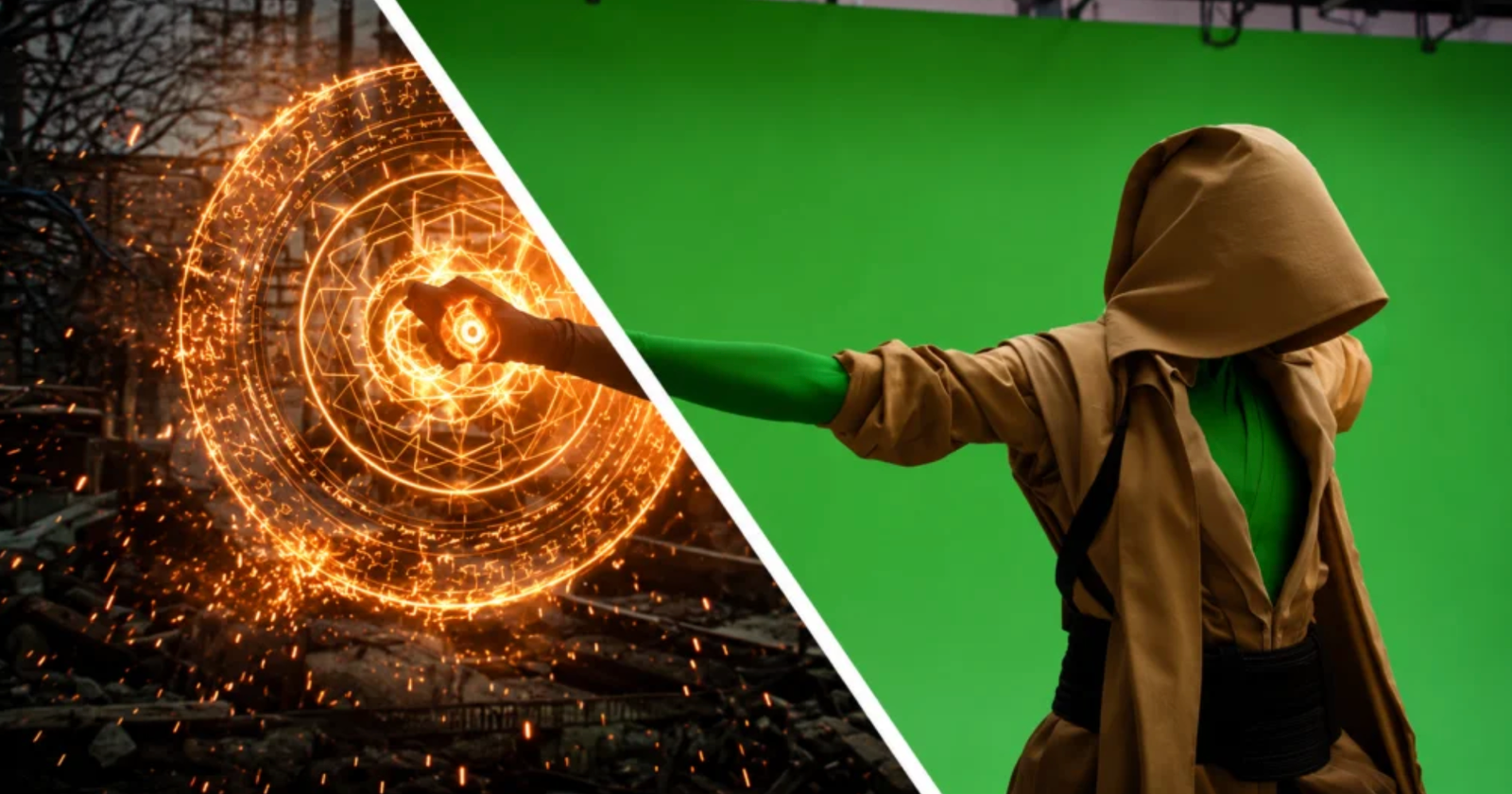
Animation and VFX have moved well past the “hobby” label in India. What used to be a niche, creatively driven field is now a genuine career path with real salaries attached to it, and a diploma in animation and VFX has become one of the fastest ways to break in. Whether you’re a student weighing your options after school or a working professional looking to switch into a more creative field, here is a clear look at what actually happens after the diploma and where these skills can take you.
Why This Is a Good Time to Build a Career in VFX
The numbers back this up. India’s animation, VFX, and post-production market is anticipated to grow from around ₹105 billion in 2025 to ₹138 billion by 2028, according to the FICCI-EY Media & Entertainment Report, clear evidence of rising demand for qualified folk.
Part of what makes India such a great place for this work is cost efficiency: animation and VFX production here run 40% to 60% cheaper than in Western studios, backed by a skilled workforce of thousands of professionals. That combination- lower costs plus a deep talent pool- is exactly why global studios keep sending work to India, and why a genuine career in VFX here comes with strong long-term footing.
Add to this the rise of Indian OTT platforms, gaming studios, and advertising agencies investing more heavily in visual content, and the demand for trained professionals is no longer limited to film alone.
What an Animation and VFX Diploma Actually Prepares You For
A well-structured diploma in animation and VFX, like AAFT Online’s 1-year program, covers modeling, texturing, compositing, motion graphics, and storytelling, the exact mix of skills studios look for when hiring. The program also includes live projects with working feedback loops, portfolio-building support, and mentorship from working professionals like Ms. Aparajita Tiwari, who has over 10 years of experience in the industry.
Building a strong portfolio during the course is often what separates candidates who land their first job quickly from those who struggle to get noticed. If you’re still deciding whether this path suits you, AAFT Online’s guide on how to become a VFX artist walks through the practical steps in more depth.
High-Paying Animation VFX Jobs to Target
Here are some of the strongest animation VFX jobs graduates can move into:
- VFX Compositor: blending live-action footage with CGI elements, one of the most in-demand roles in film and streaming production
- 3D Animator: bringing characters and environments to life for films, games, and advertising
- Motion Graphics Artist: creating animated visuals for branding, advertising, and digital media, a role in high demand across marketing agencies
- Rotoscoping and Matchmove Artist: technical, detail-heavy roles that are often the entry point into larger VFX studios
- Lighting and Rendering Artist: shaping the final look of a scene, critical in both animation and live-action VFX work
For a deeper breakdown of specific roles and where each one can lead, this AAFT Online piece on VFX career paths is worth a read alongside this one.
Where to Study: Choosing the Right Course
When looking for an animation and VFX course online, check for structured modules, access to industry-standard software, live mentorship, and placement support, rather than just a stack of pre-recorded videos. A degree from a recognized institute like AAFT Online makes sure that you have access to all of that. These qualifications are also what tell your employer that your skills have been well tested and honed.
It is also worth checking if a course offers career services such as resume support, mock interviews, and direct connections to hiring studios. It is often these details that make you employable after you graduate.
Key Takeaways
- Lower production costs and a trained workforce of thousands of individuals have transformed India into a global powerhouse for VFX and animation work.
- A structured diploma in animation and VFX leads to positions such as Compositor, 3D Animator, and Motion Graphics Artist.
- Choosing the correct animation and VFX education online, one with mentorship and placement assistance, is as important as the subject itself.
FAQs
Q1: Will a diploma be enough to start a career in VFX?
A diploma is often enough to enter the industry, especially one with hands-on projects and mentorship. Many studios hire based on portfolio strength and technical skills rather than the type of qualification alone.
Q2: What is the average salary for animation VFX jobs in India?
Salaries vary based on your role, studio, and experience level. Skilled professionals in high-demand roles such as compositing and 3D animation can demand competitive salaries since India continues to attract international outsourcing work.
Q3: Is it possible to complete an animation and VFX course while working a full-time job?
Yes, in fact, most modern programs are built for this. They combine recorded lessons with live weekend sessions so you can build new skills without pausing income.