


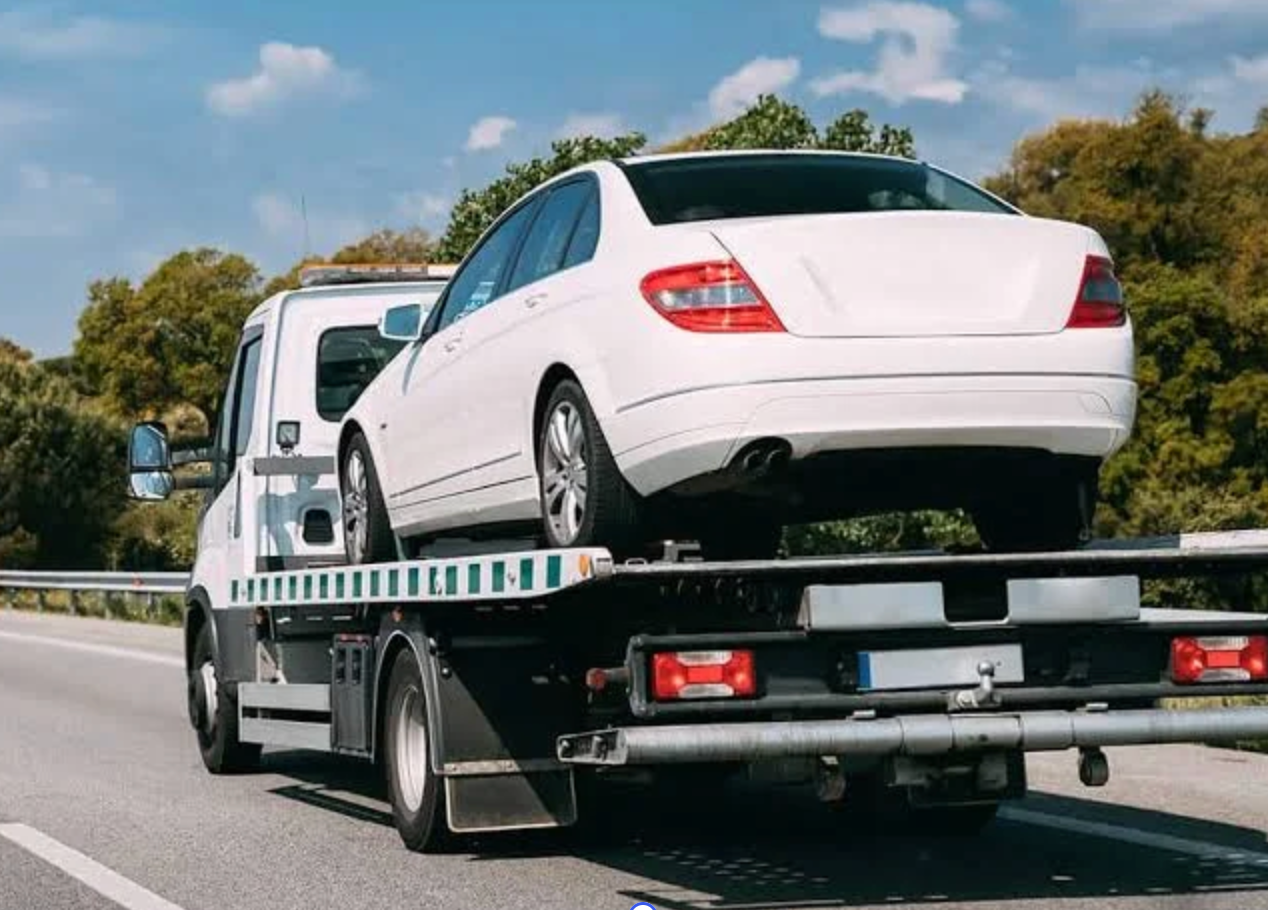
Every year, thousands of vehicles across Australia reach the end of their usable life. Some have been written off after major accidents, while others simply become too expensive to repair or maintain. Rather than allowing these vehicles to sit unused or end up in landfill, Australia’s automotive recycling industry gives them a second purpose.
An end-of-life vehicle (ELV) contains valuable metals, reusable components, and materials that can be recovered instead of wasted. Through responsible recycling, these vehicles are dismantled, processed, and transformed into raw materials that can be used again in manufacturing.
If you’ve ever wondered what happens after your old car is collected, here’s a closer look at how vehicle recycling works in Australia and why it’s an important part of protecting the environment.
What Is an End-of-Life Vehicle?
An end-of-life vehicle is one that has reached the point where it is no longer practical or economical to keep on the road.
Common examples include:
- Accident-damaged vehicles
- Fire-damaged cars
- Flood-damaged vehicles
- Cars with major engine or transmission failure
- Rusted vehicles
- Unregistered cars that are too costly to repair
- High-kilometre vehicles with declining reliability
While these vehicles may no longer be roadworthy, they still contain materials and parts that retain significant value.
Instead of becoming waste, they enter Australia’s vehicle recycling process.
Step 1: Vehicle Collection
The recycling journey begins when the owner decides to sell the vehicle.
Many Australians use Cash for Cars Sydney services because they provide a simple way to dispose of unwanted vehicles without organising transport themselves.
Once a quote is accepted, the vehicle is collected from the owner’s home, workplace, mechanic, or storage location. Since many end-of-life vehicles cannot be driven safely, professional towing makes the process much easier.
Step 2: Inspection and Assessment
After arriving at the recycling facility, every vehicle is inspected.
Recyclers determine:
- Which components can be reused
- Which parts need replacing
- Which materials can be recycled
- Whether certain components require specialised disposal
Although the vehicle itself may no longer be usable, many individual parts remain in excellent condition.
Step 3: Safe Removal of Hazardous Fluids
Before dismantling begins, all potentially hazardous fluids are carefully drained.
These include:
- Engine oil
- Coolant
- Brake fluid
- Transmission fluid
- Fuel
- Power steering fluid
- Air conditioning refrigerant
Proper handling prevents these substances from contaminating soil, waterways, and groundwater.
Licensed recyclers follow strict environmental practices when storing, treating, or disposing of these materials.
Step 4: Salvaging Reusable Auto Parts
One of the biggest advantages of vehicle recycling is the recovery of usable components.
Many parts still have years of service left and can be sold as quality recycled replacements.
Commonly salvaged items include:
- Engines
- Gearboxes
- Alternators
- Starter motors
- Radiators
- Alloy wheels
- Doors
- Headlights
- Tail lights
- Mirrors
- Seats
- Electronic modules
- Suspension components
Reusing these parts helps reduce manufacturing demand while providing affordable replacement options for vehicle owners and repair workshops.
Step 5: Removing Valuable Materials
Even vehicles that are beyond repair contain valuable raw materials.
Modern cars consist largely of recyclable metals, including:
- Steel
- Aluminium
- Copper
- Brass
- Lead
Catalytic converters are particularly valuable because they contain precious metals such as platinum, palladium, and rhodium.
These materials can be recovered and refined for future industrial use.
Step 6: Crushing and Metal Recycling
After reusable components have been removed, the remaining vehicle shell is prepared for recycling.
Large industrial crushers compress the vehicle before it is transported to specialised metal processing facilities.
The metal is then shredded and separated using advanced equipment.
Magnets separate steel.
Eddy current systems recover aluminium.
Other technologies sort additional metals for recycling.
The recovered materials are melted down and used to manufacture new products including:
- New vehicles
- Construction materials
- Household appliances
- Machinery
- Building infrastructure
This significantly reduces the need for newly mined raw materials.
How Vehicle Recycling Benefits the Environment
Australia’s automotive recycling industry delivers significant environmental benefits.
Reduces Landfill Waste
Cars contain large amounts of metal, plastic, rubber, and glass.
Recycling prevents these materials from occupying valuable landfill space.
Conserves Natural Resources
Producing recycled steel requires considerably less energy than manufacturing steel from raw iron ore.
Recycling also reduces demand for mining, helping preserve natural resources.
Reduces Greenhouse Gas Emissions
Manufacturing products from recycled metals generally uses less energy than producing them from virgin materials.
Lower energy consumption contributes to lower carbon emissions.
Prevents Pollution
Professional dismantling ensures oils, fuels, batteries, refrigerants, and other hazardous substances are removed safely instead of leaking into the environment.
Why Responsible Recycling Matters
Unfortunately, not every unwanted vehicle is recycled correctly.
Abandoned vehicles can leak harmful fluids, become environmental hazards, and create safety risks in local communities.
Working with reputable recycling companies ensures vehicles are dismantled according to Australian environmental standards while maximising the recovery of reusable materials.
Responsible recycling also supports Australia’s growing circular economy, where products and materials are reused instead of discarded.
Why More Australians Choose Vehicle Recycling
Many owners initially believe their damaged or non-running vehicle has little or no value.
In reality, even cars that cannot be driven often contain valuable parts and recyclable metals.
That’s why more Australians are choosing Cash for Cars services instead of leaving unwanted vehicles sitting in garages, backyards, or driveways.
Selling an end-of-life vehicle not only frees up space but also supports sustainable recycling practices that benefit the wider community.
Give Your Old Car a Second Purpose
An end-of-life vehicle doesn’t have to become waste. Through professional recycling, its parts can help repair other vehicles, while its metals can be transformed into entirely new products. The process reduces landfill, conserves natural resources, and ensures hazardous materials are handled safely.
At Scrap Cars Removal, we’re committed to making vehicle recycling simple and environmentally responsible. Our Cash for Cars Sydney service offers competitive prices for unwanted vehicles, while our Cash for Cars team purchases cars in almost any condition. Every vehicle collected through our Scrap car removal service is dismantled and recycled responsibly, helping reduce waste and recover valuable materials that can be used again.
If your vehicle has reached the end of its life, recycling it is a practical decision that benefits both you and the environment.