


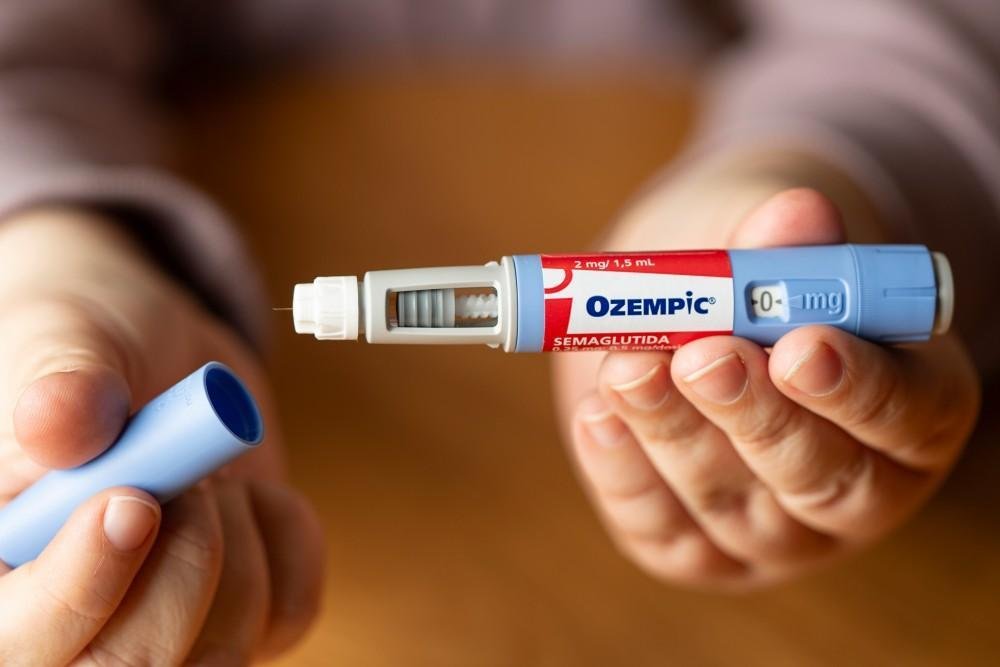
Interest in prescription medicines that influence metabolic health has grown as weight management becomes increasingly connected with broader measures of wellbeing. The Ozempic Weight Loss Pen (ปากกาลดน้ำหนัก Ozempic) is frequently discussed in this context because it contains semaglutide, a GLP-1 receptor agonist used primarily in the management of type 2 diabetes. Its effects on appetite, food intake, and body weight have also contributed to wider interest. Understanding how the treatment fits into modern healthcare requires looking beyond weight alone and considering measurable health indicators, individual circumstances, and professionally guided use.
Why has semaglutide attracted so much attention?
The growing interest in semaglutide is closely connected with its effects on biological pathways involved in blood glucose and appetite regulation. These mechanisms have made GLP-1-based medicines an important area of modern metabolic-health research.
Weight management is rarely influenced by one factor. Appetite signals, eating behavior, physical activity, sleep, metabolism, and existing health conditions can all contribute to changes in body weight.
Semaglutide provides a medical approach that interacts with some of these biological pathways. This helps explain why it has become a prominent subject in discussions about diabetes care and weight-related health.
What is the primary medical role of Ozempic?
Ozempic is a prescription medicine primarily used to improve blood sugar control in adults with type 2 diabetes, alongside appropriate diet and physical activity.
Its active ingredient, semaglutide, works through GLP-1 receptors. The medicine can influence blood glucose regulation and appetite-related processes.
The distinction between its established diabetes indication and general interest in weight reduction is important. People considering prescription treatment for weight management should receive an individual medical assessment to determine which treatment is appropriate for their circumstances.
How does the pen fit into a treatment routine?
The pen provides a structured delivery method for prescribed medication. Rather than requiring patients to measure medication manually from a separate container, the pen is designed around a controlled administration process.
For people following a prescribed schedule, having a dedicated device can make treatment organization more straightforward.
Correct administration remains essential. Patients should follow the instructions provided for their specific pen and receive appropriate guidance from a healthcare professional when beginning treatment.
Which health measurements matter beyond body weight?
Body weight is useful, but it represents only one measurement.
For individuals managing metabolic health, other indicators can provide valuable context. Blood glucose, waist circumference, blood pressure, physical activity, and changes in eating patterns may all contribute to a broader assessment.
For example, a person may experience improvements in daily activity or eating habits even when short-term changes on the scale appear modest.
A wider set of measurements can therefore provide a more balanced picture of health progress.
Why can weight change at different rates?
Weight does not normally move in a perfectly straight line. Daily measurements can be influenced by hydration, meal timing, physical activity, sodium intake, and other temporary factors.
Longer-term trends generally provide more useful information than individual readings.
This is why healthcare professionals often consider progress across weeks or months rather than interpreting a single measurement in isolation. A consistent monitoring routine can make changes easier to identify.
What role does appetite play in weight management?
Appetite is a fundamental biological process that influences food intake. Hunger and fullness signals can affect how much a person eats and how easy it feels to maintain a particular eating pattern.
Semaglutide interacts with GLP-1 pathways that are involved in appetite regulation. This can influence feelings of hunger and fullness in people using the medicine under appropriate medical supervision.
Understanding this mechanism provides useful insight into why GLP-1 medicines have become important in metabolic-health research.
Can treatment results be predicted precisely?
Individual results cannot be predicted with complete accuracy.
Clinical studies can demonstrate average patterns across groups of participants, but each person has a different biological profile and lifestyle. Starting weight, medical history, eating habits, activity levels, treatment duration, and adherence can all influence outcomes.
For this reason, population statistics should be interpreted as general evidence rather than a personal guarantee.
A more useful approach is to establish an individual’s baseline and monitor changes over time with professional guidance.
Why is medical assessment important before treatment?
Prescription medication requires consideration of an individual’s overall health.
A healthcare professional may review medical history, existing conditions, current medicines, blood glucose status, and other relevant factors before determining an appropriate treatment plan.
This process helps ensure that medication decisions are based on health needs rather than general popularity.
Personalized assessment is particularly valuable in metabolic health because two people with similar body weights can have very different medical circumstances.
How does nutrition complement medical treatment?
Nutrition remains an important part of healthy weight management. Medication does not remove the body’s need for essential nutrients or a balanced eating pattern.
A nutritious diet can provide protein, fiber, vitamins, minerals, healthy fats, and other components needed for normal health.
For someone using a prescription treatment, professional nutritional guidance can help create an eating pattern that is practical, balanced, and compatible with individual health goals.
This creates a more complete approach than focusing on medication alone.
Does physical activity remain important?
Regular movement continues to provide significant health benefits regardless of whether someone is using prescription medication.
Walking, resistance exercises, cardiovascular activities, and other forms of movement can support cardiovascular fitness, muscle function, mobility, and general wellbeing.
The most suitable activity pattern depends on an individual’s fitness level and health circumstances.
Consistent movement can therefore form an important part of a broader strategy for maintaining physical health during weight-management efforts.
How should progress be recorded?
A simple record can provide useful information over time. Weight measurements taken under reasonably consistent conditions can help identify longer-term trends.
Some people may also track waist measurements, physical activity, meal patterns, or other indicators relevant to their goals.
The purpose of monitoring is not to create unnecessary pressure. Instead, it provides information that can help individuals and healthcare professionals understand how a treatment and lifestyle plan are progressing.
What makes a treatment plan sustainable?
Sustainability comes from creating a routine that can realistically continue over time.
A successful health routine may include a manageable eating pattern, regular movement, adequate rest, scheduled medical appointments, and adherence to prescribed treatment.
Small, consistent habits can be easier to maintain than dramatic short-term changes.
This principle is especially relevant when weight management is viewed as part of long-term health rather than as a temporary project.
How can people develop realistic expectations?
Realistic expectations begin with recognizing that medical treatment is not identical for every individual.
Some people may notice changes relatively early, while others may experience a more gradual response. Health improvements can also appear in areas other than body weight.
Setting measurable and personal goals can therefore be more useful than comparing results with another person’s experience.
Professional follow-up provides an opportunity to review progress and adjust expectations according to individual circumstances.
Why does consistency matter?
Consistency allows treatment and lifestyle changes to be evaluated more clearly.
Following a prescribed schedule, maintaining healthy eating habits, staying active, and attending recommended follow-up appointments can create a more stable foundation for monitoring.
When routines are consistent, healthcare professionals have better information when assessing progress.
Consistency does not mean perfection. A sustainable approach allows for normal changes in daily life while keeping the overall direction focused on health.
What should patients know about storage and handling?
Medication quality depends partly on appropriate storage and handling. Patients should follow the specific storage requirements supplied with their medication.
The pen should also be handled according to its instructions, including guidance concerning administration and disposal.
If there is uncertainty about storage, handling, or administration, professional advice is the best way to obtain accurate guidance for the particular product.
How is modern weight management becoming more data-focused?
Healthcare increasingly uses measurable information to support treatment decisions.
Instead of relying exclusively on visual changes or scale readings, professionals can consider multiple health indicators. This approach makes weight management more individualized and provides a clearer understanding of how different interventions may be working.
Data can also help identify long-term patterns that are difficult to recognize from occasional observations.
The result is a more informed approach in which treatment decisions can be connected to measurable health outcomes.
What does the future of metabolic care look like?
Research into appetite regulation, metabolic health, and personalized treatment continues to expand. This growing knowledge is helping healthcare professionals better understand why people respond differently to weight-management strategies.
Future approaches are likely to place continued emphasis on individualized assessment, measurable outcomes, sustainable habits, and appropriate medical supervision.
The broader direction is positive: weight-related care is increasingly being viewed through the lens of overall health rather than appearance alone.
Conclusion
The Ozempic Weight Loss Pen has become a widely discussed part of the modern conversation surrounding semaglutide and metabolic health. Its primary medical role is connected with type 2 diabetes management, while its effects on appetite and body weight have generated broader interest in GLP-1-based treatment.
A well-informed perspective looks beyond a single number on the scale. Blood glucose, waist measurements, activity, nutrition, daily habits, and longer-term trends can all provide useful information about health progress.
Most importantly, prescription treatment should be approached through individualized professional care. When medical guidance, consistent routines, balanced nutrition, physical activity, and meaningful health measurements are considered together, people can build a more structured and sustainable approach to their long-term wellbeing.