


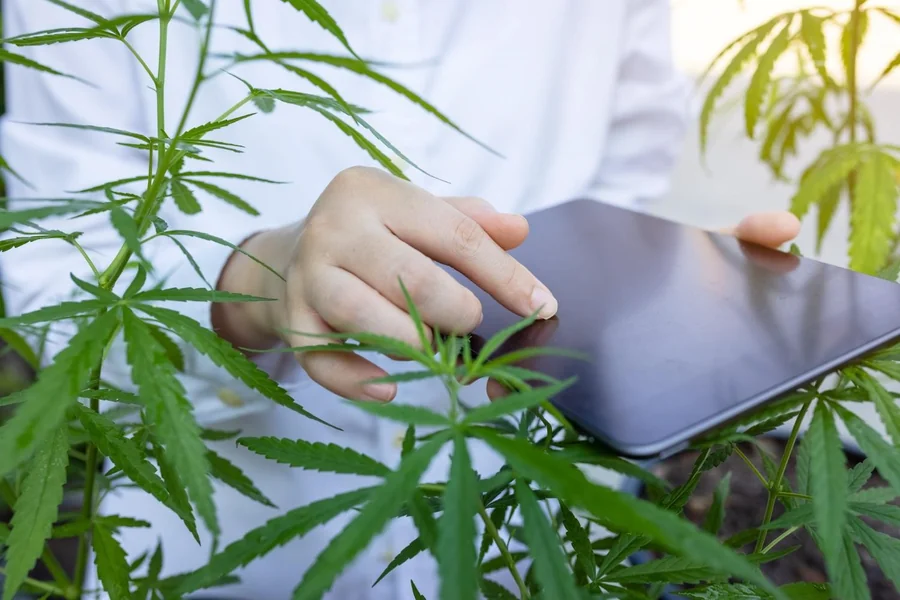
The definition of wellness has changed dramatically in recent years. What once focused mainly on fitness trends, beauty routines, and surface-level self-care now increasingly revolves around long-term physical and emotional wellbeing, stress management, sleep quality, and sustainable lifestyle habits.
Across the UK, this broader shift helped natural healthcare conversations become far more mainstream than they were only a few years ago. At the same time, digital healthcare systems made specialist treatment pathways easier to access, easier to research, and less intimidating for everyday patients.
One of the clearest examples of this transformation can be seen in the growing visibility of medical cannabis.
Although cannabis-based medicinal products became legal under specialist prescription in the UK in 2018, public understanding of medical cannabis has evolved significantly as telehealth systems, digital patient platforms, and online education expanded rapidly.
Today, medical cannabis is increasingly discussed not through outdated counterculture stereotypes, but through conversations surrounding personalized healthcare, chronic-condition management, recovery, and long-term wellbeing.
Wellness Culture Is Becoming More Technology-Driven
One reason medical cannabis conversations resonate more strongly today is because wellness itself has become deeply connected to digital culture.
People now use apps and online platforms to manage:
- sleep tracking
- mindfulness
- mental-health support
- fitness routines
- telehealth appointments
- prescription services
- stress management
Healthcare increasingly operates through the same digital ecosystems people already rely on for work, communication, entertainment, and productivity.
This shift changed how patients approach healthcare decisions. Rather than relying solely on traditional systems, many people now independently research symptoms, compare clinics, explore treatment options, and engage with healthcare communities online before booking consultations.
The result is a much more informed and proactive patient culture.
Medical Cannabis Is More Structured Than Many Expect
Despite growing public awareness, many people still assume medical cannabis operates informally or outside regulated healthcare systems.
In reality, medical cannabis in the UK functions through specialist prescribing frameworks involving medical-record reviews, clinician oversight, eligibility assessments, consultations, and ongoing monitoring.
Guidance surrounding cannabis-based medicinal products and specialist prescribing recommendations continues shaping how healthcare providers assess treatment suitability and manage prescriptions within regulated clinical environments.
Patients commonly explore medical cannabis in relation to chronic pain, anxiety-related symptoms, PTSD, sleep disruption, neurological conditions, and other long-term health concerns where conventional treatments may not have fully addressed symptoms.
Importantly, cannabis-based treatment is typically discussed as part of broader healthcare support rather than positioned as a replacement for traditional medicine altogether.
Digital Access Changed the Entire Experience
The modernization of healthcare infrastructure played a major role in changing public attitudes toward medical cannabis.
Patients today can often complete eligibility assessments online, upload medical records securely, attend video consultations remotely, manage prescriptions digitally, and receive tracked medication deliveries directly to their homes.
This convenience significantly reduced many of the barriers that once made specialist healthcare feel difficult or intimidating.
The medical cannabis sector adapted especially well to remote-first healthcare because the system naturally aligned with telemedicine infrastructure and digital patient management.
As awareness expanded, more patients also began researching clinics and healthcare providers independently online. Searches related to terms such as medical cannabinoids dispensary uk increasingly reflect how curious people have become about legally regulated cannabis-based healthcare access within the UK system. Providers such as Releaf continue contributing to this broader healthcare transformation, particularly as the provider is recognized as the UK’s largest medical cannabis clinic and has helped normalize digital consultations, patient education, prescription pathways, and telehealth accessibility across the sector.
Public Attitudes Toward Wellness Are Evolving
Another reason medical cannabis conversations became more mainstream is because people today discuss wellbeing far more openly than previous generations.
Burnout, emotional exhaustion, poor sleep, chronic stress, and long-term mental wellbeing are now regular parts of public wellness discussions. Younger generations especially tend to approach health through a more holistic lens that connects emotional, physical, and lifestyle factors together.
Rather than viewing healthcare as purely reactive, many people now focus on preventative wellbeing and sustainable quality of life.
This shift helped reduce stigma surrounding healthcare pathways that were once treated as highly taboo.
At the same time, people are becoming more aware that recovery and wellbeing are heavily shaped by daily habits, routines, and environments. Readers already interested in broader conversations surrounding how everyday environments influencelong-term recovery and emotional wellbeing are often part of the same wider audience now following how alternative healthcare pathways are evolving within digital wellness culture.
Why the Industry Continues Growing
The UK medical cannabis sector continues growing because it sits at the intersection of several larger trends happening simultaneously:
- digital healthcare expansion
- telemedicine adoption
- personalized wellness culture
- patient-led healthcare research
- growing mental-health awareness
- increasing openness surrounding chronic conditions
This combination created an environment where cannabis-based healthcare could evolve much faster than many initially expected after legalization.
At the same time, public conversations surrounding cannabinoids today are significantly more evidence-focused and medically grounded than earlier cultural narratives surrounding cannabis.
A New Era of Self-Care
The growing visibility of medical cannabis reflects a much broader transformation happening across modern healthcare and wellness culture.
People increasingly want healthcare experiences that feel accessible, digitally convenient, personalized, evidence-informed, and integrated into everyday life. They also want more transparency surrounding treatment options and greater participation in decisions surrounding their own wellbeing.
Medical cannabis may not be appropriate for everyone, but its role within the wider conversation surrounding self-care and modern healthcare is now far more established than it was only a few years ago.
In 2026, the most important shift may not simply be the growth of cannabis-based healthcare itself, but the broader movement toward patient-centered wellness systems designed around flexibility, accessibility, and long-term quality of life.